Bhandardara Dam: Complete Guide to Wilson Dam, History & Water Capacity
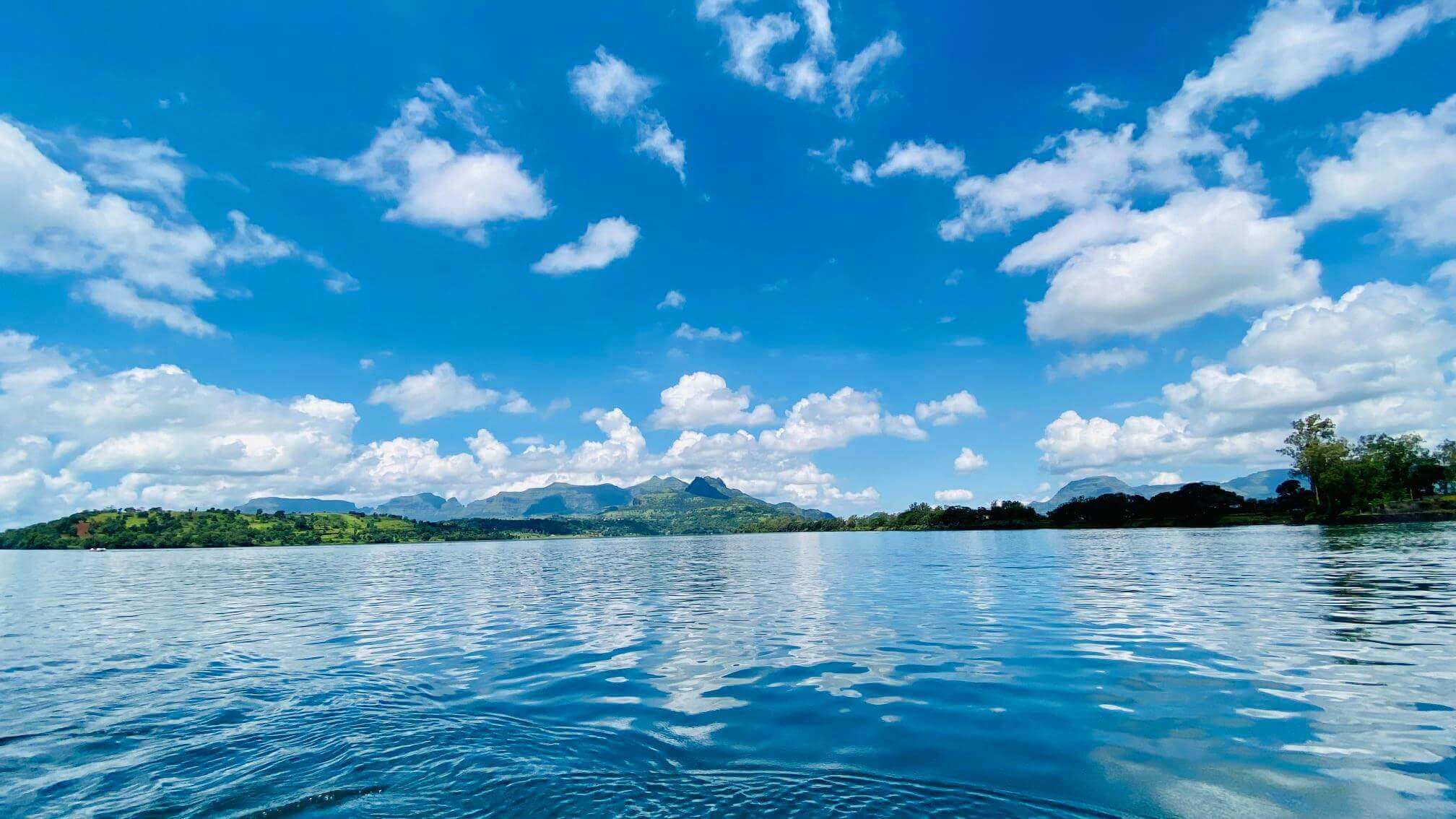
Bhandardara Dam, locally known as Wilson Dam, is a historic gravity dam built on the Pravara River in Ahmednagar district, Maharashtra. Constructed between 1910–1926 during the British era, this century-old structure creates the stunning Arthur Lake—a scenic reservoir surrounded by Western Ghats mountains.
Whether you're seeking historical information, technical details about the dam's capacity, or planning a monsoon visit to witness spectacular waterfalls, this guide covers everything you need to know about Bhandardara Dam.
What Is Bhandardara Dam?
Bhandardara Dam is a gravity masonry dam that harnesses the Pravara River to provide irrigation, drinking water, and seasonal hydroelectric power to the Ahmednagar region. The dam's dual role—as critical infrastructure and a major tourist destination—makes it one of Maharashtra's most important water resource projects.
Alternative Names
- Wilson Dam (British colonial name, still widely used)
- Bhandardara Dam (modern official name)
- Pravara Dam (less common, based on river name)
The dam is often referenced in tourism guides alongside nearby attractions like Arthur Lake and Umbrella Falls.
Bhandardara Dam Information: Location & Geography
Where Is Bhandardara Dam Located?- District: Ahmednagar
- Taluka: Akole
- Village: Bhandardara
- Region: Western Ghats (Sahyadri Mountains)
- Nearest City: Nashik (60 km away)
- Nearest Railway: Igatpuri (30–40 km away)
Bhandardara is nestled in the Sahyadri range, making it a natural gateway for trekkers and nature enthusiasts exploring the mountainous terrain of northern Maharashtra.
Bhandardara Dam on Which River?
The dam is constructed on the Pravara River, a tributary of the Godavari River system. The Pravara originates in the Western Ghats and flows northeast through agricultural valleys before merging with the Godavari, one of India's major river systems.
River Characteristics
- Origin: Western Ghats mountains
- Flow Direction: Northeast through Ahmednagar district
- Confluence: Joins the Godavari River
- Seasonal Pattern: Peak flow during monsoon (June–September); reduced flow in summer months
This river location is crucial to understanding the dam's operational patterns, especially during monsoon overflow when visitors witness dramatic waterfall spectacles.
Bhandardara Dam History: From Wilson Dam to Modern Era
Historical Background &; Construction Timeline- Start Date: 1910 (British colonial administration)
- Completion Date: ~1926
- Total Construction Period: Approximately 16 years
- Original Purpose: Irrigation for Pravara valley farming communities
- Engineering Type: Gravity masonry dam (weight-based water pressure resistance)
Why Was It Named Wilson Dam?
During British India, the dam was named after colonial administrators or engineers of the period. The name "Wilson Dam" persists in historical records, local usage, and some tourism materials—even though the official modern designation is "Bhandardara Dam" (named after the adjacent village).
Evolution from Colonial Project to Modern Infrastructure
The dam evolved from a purely irrigation-focused project into a multipurpose facility:
- Original Role (1926–1950s): Irrigation canal system for farming
- Mid-20th Century: Drinking water supply added
- Modern Era: Tourism, hydroelectric generation, and recreation integrated
Bhandardara Dam Capacity: Water Storage Details
Bhandardara Dam Capacity in TMC
- Gross Storage Capacity: Approximately 11 TMC (Thousand Million Cubic Feet)
- Metric Equivalent: ~312.6 million cubic metres (Mcm)
- Full Reservoir Level (FRL): 744.91 metres
What is TMC?
TMC is the traditional unit used across India's water resource sector to measure dam capacity:
- 1 TMC = 28.3 million cubic metres
- Conversion: 11 TMC ≈ 312.6 Mcm
Water Level Fluctuations
| Season | Water Level Status | Key Details |
|---|---|---|
| Monsoon (Jun–Sep) | High / Overflow | Peak inflow; sluice gates open; waterfalls occur |
| Post-Monsoon (Oct–Feb) | Stable / Moderate | Ideal for boating; steady irrigation release |
| Summer (Mar–May) | Low | Minimal overflow; focus on drinking water & agriculture |
Current Water Level
For real-time Bhandardara dam water level today, consult:
- Maharashtra Water Resources Department (official portal)
- Local Bhandardara dam authority
- Tourism information centers in Igatpuri
Bhandardara Dam Technical Specifications
Dam Dimensions & Structure
| Parameter | Value |
|---|---|
| Dam Type | Gravity Masonry |
| Height | ~58 metres (approximate) |
| Length | ~1,126 metres |
| Spillway Type | Sluice gates (gravity discharge) |
| Catchment Area | ~1,270 sq. km |
Hydroelectric Capacity
Associated small hydropower projects downstream utilize water releases:
- Estimated Capacity: 12–34 MW (varies by project phase)
- Primary Focus: Irrigation and drinking water (hydropower is secondary)
- Operator: Maharashtra State Electricity Distribution Company Ltd. (MSEDCL)
Note: For current installed capacity details, verify with MSEDCL or the Water Resources Department.
Arthur Lake: The Reservoir Created by Bhandardara Dam
What Is Arthur Lake?
Arthur Lake is the scenic reservoir created by Bhandardara Dam, surrounded by dense Western Ghats forests and connected to multiple trekking routes. The lake's name originates from British-era colonial nomenclature.
Lake Characteristics
- Surface Area: Expansive shoreline with multiple inlets
- Depth: Varies seasonally (deeper post-monsoon)
- Surroundings: Forested hills, mountain views, trek access points
- Best Viewing: October–November (clear skies, stable water levels)
Activities at Arthur Lake
- Boating: Paddle around the lake for scenic views (permit required)
- Photography: Landscape, sunset, and monsoon photography hotspot
- Picnicking: Lakeside spots for family outings
- Trekking: Access point to nearby forts and peaks
How to Reach Bhandardara: Distance & Transportation Guide
Distance from Major Cities
| City | Distance | Travel Time | Route |
|---|---|---|---|
| Nashik | 60 km | 2–2.5 hours | Via Igatpuri |
| Ahmednagar | 65 km | 2–2.5 hours | Via Akole |
| Pune | 120 km | 3–3.5 hours | Via Igatpuri |
| Mumbai | 180–200 km | 4–5 hours | Via Igatpuri |
By Road
From Nashik:
- Head south toward Igatpuri (30 km, ~45 minutes)
- Continue to Bhandardara via Akole Road (30 km, ~1.5 hours)
- Follow local signs to dam and lake areas
From Ahmednagar:
- Head north via Akole taluka (65 km, ~2.5 hours)
- Reach Bhandardara village
Via Public Transport:
- Private buses operate from Nashik to Igatpuri; hire a local taxi from Igatpuri to Bhandardara (recommended)
- Limited local transport; private vehicle or organized tours are advised
By Rail
Nearest Railway Station: Igatpuri Junction (30–40 km from Bhandardara)
- Connected to Mumbai and Nashik via Central Railways
- From Igatpuri: Hire a taxi or contact local tour operators for onward journey
Best Time to Visit Bhandardara Dam
Seasonal GuideMonsoon Season (June–September)
Best For: Waterfalls, photography, waterfall enthusiasts
- Umbrella Falls in full cascade
- Lush green landscapes
- Arthur Lake overflowing
- Cooler weather
Drawbacks: Slippery paths, occasional road closures, heavy crowds
Recommendation: Late July–August for peak waterfalls
Post-Monsoon Season (October–February)
Best For: Trekking, boating, general tourism, comfort & clarity
- Clear skies and stable weather
- Perfect trekking conditions
- Boating on calm lake
- Photography with good visibility
- Comfortable temperatures
Best Overall Period: October–November
Drawbacks: Fewer waterfalls (dam not overflowing)
Summer Season (March–May)
Best For: Budget travelers, solitude seekers
- Fewer tourists
- Lower accommodation costs
- Quiet atmosphere
Drawbacks: Hot days, dry landscape, low lake water levels, limited waterfall activity
Bhandardara Dam Information: FAQs
Q: What is the new name of Bhandardara Dam?
A: The dam is officially known as Bhandardara Dam, named after the nearby village. The older British-era name Wilson Dam is still used in historical records and local contexts, but the modern official designation is Bhandardara Dam.
Q: Bhandardara Dam Capacity in TMC—What is the exact figure?
A: Bhandardara Dam capacity is approximately 11 TMC (Thousand Million Cubic Feet), equivalent to ~312.6 million cubic metres. For the most current official data, verify with Maharashtra’s Water Resources Department.
Q: Bhandardara Dam on Which River Is It Built?
A: Bhandardara Dam is built on the Pravara River, a tributary of the Godavari River system. The Pravara originates in the Western Ghats and flows northeast through Ahmednagar district.
Q: In Which District Is Bhandardara Located?
A: Bhandardara is located in Ahmednagar district, specifically in Akole taluka, within the Western Ghats mountain range.
Q: What Lake Is Created by Bhandardara Dam?
A: Bhandardara Dam creates Arthur Lake (also called Bhandardara Lake), a scenic reservoir surrounded by forested hills and popular for boating, photography, and picnicking.
Q: When Is the Best Time to Visit Bhandardara Dam?
A:
- Best Overall: October–November (post-monsoon)
- For Waterfalls: July–September (monsoon, Umbrella Falls in cascade)
- For Solitude: March–May (fewer crowds, but hot and dry)
Q: How Far Is Bhandardara from Nashik?
A: Bhandardara is approximately 60 km from Nashik, with a travel time of 2–2.5 hours by road via Igatpuri.
Q: What Are the Main Things to Do in Bhandardara?
A:
- View monsoon waterfalls (Umbrella Falls)
- Trek to nearby forts (Ratangad, Harishchandragad)
- Boating on Arthur Lake
- Photography and nature walks
- Visit Amruteshwar Temple
- Climb Mount Kalsubai
- Picnicking by the lake
Q: What Is Wilson Dam History?
A: Wilson Dam is the British-era name for Bhandardara Dam, constructed between 1910 and 1926. It was originally built for irrigation and is now officially known as Bhandardara Dam, though the Wilson Dam name persists locally and historically.
Q: How Many TMC Is Bhandardara Dam Capacity?
A: Bhandardara Dam has a storage capacity of approximately 11 TMC.
Bhandardara Dam: Local Importance & Benefits
Agricultural Irrigation
The dam supplies water to the Pravara canal system, irrigating thousands of acres of farmland across Ahmednagar and surrounding districts, transforming the arid Pravara valley into productive agricultural land.
Drinking Water Supply
The reservoir serves as a vital drinking water source for nearby towns and villages, especially during dry summer months.
Hydroelectric Generation
Small hydropower projects downstream utilize water releases to generate electricity, though power generation remains secondary to irrigation and water supply.
Tourism & Economic Development
- Homestays and guesthouses
- Boat rental services
- Trek guides and tour operators
- Local eateries and shops
- Seasonal employment
भंडारदरा धरण माहिती | Bhandardara Dam Information in Marathi
भंडारदरा धरण (विल्सन धरण) हा प्रवरा नदीवर बांधलेला एक ऐतिहासिक धरण आहे, जो १९१० ते १९२६ दरम्यान ब्रिटिशांनी बांधला. हे धरण अहमदनगर जिल्ह्यातील आकोले तालुक्यात स्थित आहे.
भंडारदरा धरणाची क्षमता सुमारे ११ टीएमसी असून यामुळे आर्थर लेक (भंडारदरा लेक) हा सुंदर जलाशय तयार झाला आहे.
मुख्य माहिती
- नदी: प्रवरा नदी (गोदावरीची उपनदी)
- जिल्हा: अहमदनगर
- तालुका: आकोले
- सिजन: मान्सून (जून–सप्टेंबर) मध्ये धबधबे
- करणीय गोष्टी: ट्रेकिंग, बोटिंग, फोटोग्राफी, किल्लेभ्रमंती
भंडारदरा हा ट्रेकिंग, पर्यटन आणि निसर्गप्रेमींसाठी एक प्रमुख गंतव्यस्थळ आहे.
Frequently Asked Questions
What is the new name of Bhandardara Dam?
The dam is officially known as Bhandardara Dam, named after the nearby village. The older British-era name Wilson Dam is still used in historical records and local contexts.
Bhandardara Dam Capacity in TMC—What is the exact figure?
Bhandardara Dam capacity is approximately 11 TMC (Thousand Million Cubic Feet), equivalent to ~312.6 million cubic metres. For the most current official data, verify with Maharashtra’s Water Resources Department.
Bhandardara Dam on Which River Is It Built?
Bhandardara Dam is built on the Pravara River, a tributary of the Godavari River system. The Pravara originates in the Western Ghats and flows northeast through Ahmednagar district.
In Which District Is Bhandardara Located?
Bhandardara is located in Ahmednagar district, specifically in Akole taluka, within the Western Ghats mountain range.
What Lake Is Created by Bhandardara Dam?
Bhandardara Dam creates Arthur Lake (also called Bhandardara Lake), a scenic reservoir surrounded by forested hills and popular for boating, photography, and picnicking.
When Is the Best Time to Visit Bhandardara Dam?
Best Overall: October–November (post-monsoon). For Waterfalls: July–September (monsoon, Umbrella Falls in cascade). For Solitude: March–May (fewer crowds, but hot and dry).
How Far Is Bhandardara from Nashik?
Bhandardara is approximately 60 km from Nashik, with a travel time of 2–2.5 hours by road via Igatpuri.
What Are the Main Things to Do in Bhandardara?
View monsoon waterfalls (Umbrella Falls), trek to nearby forts (Ratangad, Harishchandragad), boating on Arthur Lake, photography and nature walks, visit Amruteshwar Temple, climb Mount Kalsubai, picnicking by the lake.
What Is Wilson Dam History?
Wilson Dam is the British-era name for Bhandardara Dam, constructed between 1910 and 1926. It was originally built for irrigation and is now officially known as Bhandardara Dam, though the Wilson Dam name persists locally and historically.
How Many TMC Is Bhandardara Dam Capacity?
Bhandardara Dam has a storage capacity of approximately 11 TMC.

