Introduction – A Month That Changed Asia
The 1962 Sino-Indian War stands as one of the most consequential yet underexamined conflicts of the 20th century. Lasting just one month (October 20 - November 20, 1962), this brief but brutal war fundamentally reshaped the geopolitics of South Asia and continues to influence international relations today, more than six decades later. The conflict emerged from profound disagreements over a 3,225-kilometer border, competing strategic visions, and a political leadership's fatal misjudgment about military preparedness and the capabilities of a rising communist neighbor.
What makes the 1962 war particularly significant is not just its immediate military outcome, but its long-term consequences: India's defense modernization, the militarization of the India-China border, the erosion of bilateral trust, and the strategic framework that continues to define contemporary Asian geopolitics. For India, the 1962 defeat became a defining national trauma—the moment when post-independence optimism collided with harsh strategic reality.
⏰ Key Timeline
- October 20, 1962: Chinese forces launch coordinated attacks on Indian positions
- October 22-28, 1962: Cuban Missile Crisis provides strategic cover for Chinese operations
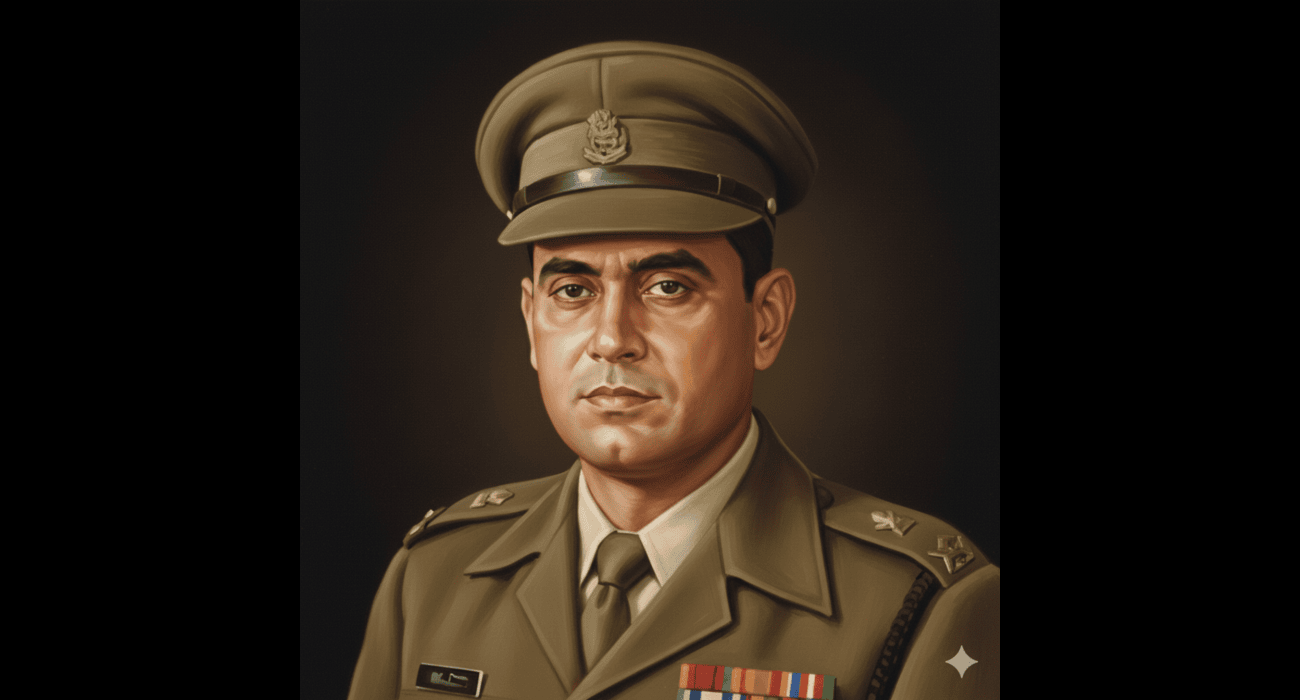
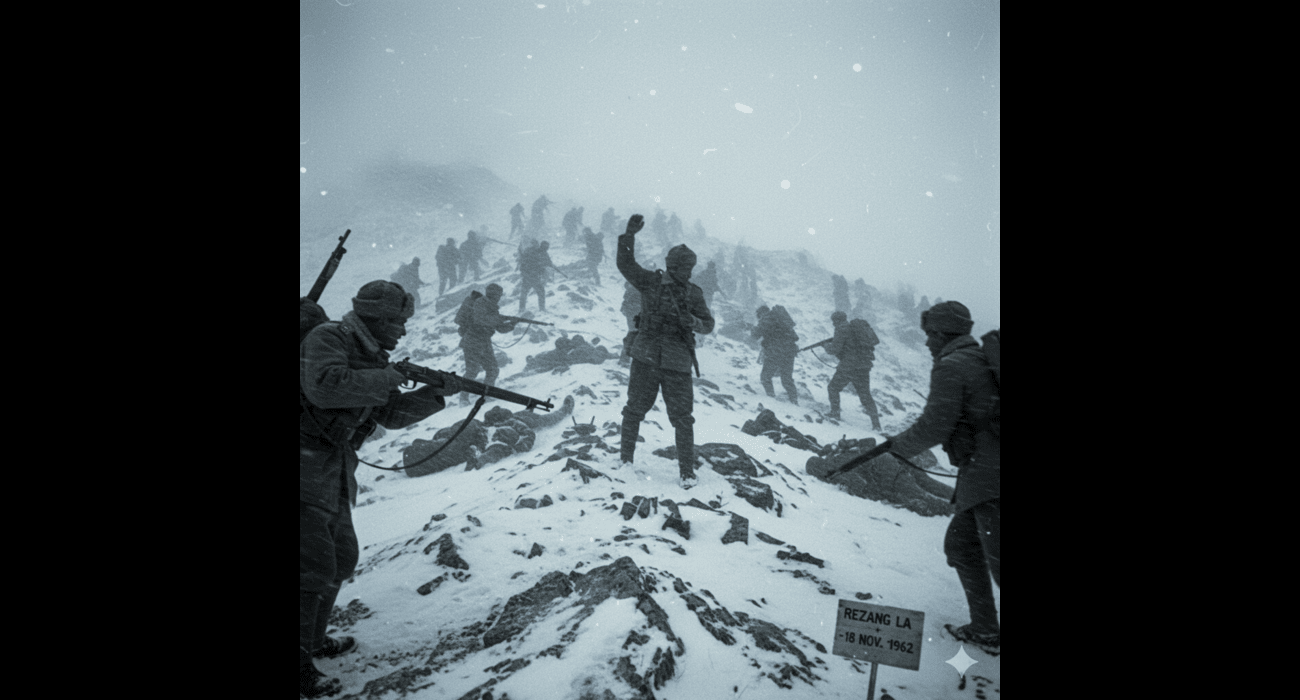
- November 18-20, 1962: Pivotal Battle of Rezang La with Major Shaitan Singh's legendary stand
- November 20, 1962: China unilaterally declares ceasefire and begins withdrawal
- December 1962: War officially ends; Chinese consolidate territorial gains
Root Causes: The Seeds of Conflict 🌾
The Border Dispute – A Fundamental Disagreement
The 1962 war did not emerge suddenly or without warning. Rather, it was the culmination of decades of tension over a fundamental disagreement regarding the India-China border spanning 3,225 kilometers. This border dispute had two distinct regions:
1. The Eastern Sector (McMahon Line)
India's Position:
- Accepts the McMahon Line as the legitimate international border
- Established during the Shimla Convention (1914) between British India and Tibet
- British-drawn border that became India's inherited boundary post-independence
- Follows the ridge of the Himalayan watershed as a natural boundary
China's Position:
- Completely rejects the McMahon Line as illegitimate
- Claims the convention was signed without Chinese participation or approval
- Argues that British India had no right to establish boundaries without Chinese consent
- Claims vast territories south of the McMahon Line (approximately 90,000 square kilometers)
2. The Western Sector (Aksai Chin)
The western frontier involved the disputed Aksai Chin region—a barren, inhospitable plateau at extreme altitude:
India's Claim:
- Asserts that Aksai Chin is part of Ladakh, which belongs to India
- Relies on traditional trade routes and historical maps
- Later strengthened by Indian military patrols and administrative presence
China's Claim and Critical Action:
- Claims Aksai Chin as part of the Xinjiang region
- Most critically: China had secretly constructed a highway through Aksai Chin connecting Tibet and Xinjiang
- This highway provided crucial logistical support for Chinese military operations and civilian governance of Tibet
- By the time India discovered this highway, Chinese control was effectively established
📍 Understanding the Geography
Aksai Chin Location & Characteristics:
- Located in the Karakoram mountain range
- Average altitude: 14,000-17,000 feet
- Largely barren and uninhabited
- Extreme climate with minimal vegetation
- Strategic importance: Controls key mountain passes and routes
- Area under dispute: Approximately 38,000 square kilometers (14,600 square miles)
India's "Forward Policy" – A Strategic Blunder
While border disputes existed for years, they might have remained dormant had India adopted a cautious approach. Instead, Prime Minister Jawaharlal Nehru's government implemented what became known as the "Forward Policy," a strategy that proved to be one of post-independent India's greatest strategic miscalculations.
What Was the Forward Policy?
- Military Occupation: Deploying military outposts progressively deeper into disputed territories
- Strengthening Claims: Establishing military bases and administrative presence to strengthen territorial claims
- Assertive Posture: Conducting military probes and exercises to demonstrate Indian control
- Supply Line Disruption: Attempting to cut off and isolate Chinese supply lines and positions
- Strategic Escalation: Gradually building up military presence in disputed areas without formal conflict
Why China Viewed This as Provocative:
From China's perspective, India was not simply asserting a pre-existing claim; it was actively attempting to change the status quo through military occupation. Chinese Foreign Minister Marshal Chen Yi famously remarked that Nehru's forward policy is a knife"—implying that India was stabbing at China through military aggression disguised as defensive positioning.
This perception created a sense of strategic urgency in Beijing. Chinese leaders believed that if they did not decisively respond to India's forward policy, they would find themselves gradually squeezed out of territories they claimed. A military response, from China's perspective, was not merely aggressive but necessary to halt Indian territorial expansion.
The Cuban Missile Crisis – Strategic Opportunity for China
While border tensions had simmered for years, the timing of the 1962 war was not coincidental. A crucial factor that enabled China to launch its attack was the Cuban Missile Crisis (October 22-28, 1962)—the most dangerous moment of the Cold War.
Why the Cuban Crisis Mattered for India-China Relations:
- American Distraction: The U.S. was entirely focused on Soviet missiles in Cuba, leaving little attention for Asian affairs
- Soviet Preoccupation: The Soviet Union, though ideologically aligned with China, was consumed by the Cuba crisis
- International Paralysis: Global attention and diplomatic energy were directed toward U.S.-Soviet confrontation
- Limited Western Response: China calculated that Western powers would be unlikely to intervene in an India-China conflict while managing nuclear tensions over Cuba
Additional Strategic Calculations:
China had received important signals from the United States in July 1962 that America would not support nationalist forces attempting to invade mainland China from Taiwan. This reduced Chinese fears of a two-front war (against India and American-backed Taiwan simultaneously), freeing resources for the Indian campaign.
Military Disparities: Why India Was Outmatched 💪
When the war began, India faced a stark military reality: China possessed decisive advantages in every significant category of military capability. The disparity was not marginal but fundamental, affecting infrastructure, equipment, training, and tactical positioning.
| Aspect | Chinese Advantages | Indian Vulnerabilities |
|---|---|---|
| Infrastructure | Superior supply lines through Tibet; well-developed logistics network; roads and communication lines pre-positioned | Inadequate supply lines; remote terrain made logistics extremely difficult; supplies arrived sporadically |
| Troop Deployment | ~300,000 troops deployed across Tibetan plateau; well-organized reserve forces; rapid mobilization capability | Insufficient initial deployment; thin defensive lines; unable to quickly reinforce vulnerable positions |
| Military Preparation | Extensive military buildup; well-coordinated attack plans; clearly defined objectives | Inadequately prepared for Nehru's orders to attack; defensive mindset rather than offensive capability |
| Equipment Quality | Modern military hardware; superior weapons; proper cold-weather equipment | Under-equipped forces; obsolete weapons; inadequate cold-weather clothing for extreme conditions |
| Terrain Experience | Better acclimatization to high-altitude environment; tested mountain warfare doctrine | Less experience in extreme mountain conditions; poor acclimatization strategies; inadequate altitude training |
| Air Support | Superior air capability; potential air support (though limited by terrain) | Limited air power; airfields far from combat zone; difficulty operating at extreme altitude |
| Leadership Coordination | Unified command structure; clear strategic objectives; cohesive execution | Military leadership incompetence in some critical areas; political pressure overriding military judgment |
Military Operations: Two Theaters of War ⚔️
The 1962 war was fought on two distinct geographic fronts, each with different characteristics and outcomes, though both ultimately resulted in Indian defeats. The simultaneous operations on two fronts stretched India's already limited resources even further.
Western Theater: Aksai Chin and Ladakh
In the western sector, Chinese forces advanced rapidly through the Ladakh region toward Leh. Key aspects of this campaign:
Chinese Operational Objectives:
- Consolidate control over Aksai Chin and the highway connecting Tibet and Xinjiang
- Advance toward Leh, the capital of Ladakh
- Establish a strategic buffer zone in the high altitude regions
- Demonstrate military superiority and resolve territorial claims
Indian Defensive Positions:
- Galwan Valley: A strategically important but vulnerable valley position
- Chushul: An Indian military outpost and supply depot
- Rezang La: The high-altitude pass where Major Shaitan Singh made his legendary stand (114 casualties among 120 soldiers)
Outcome: Chinese Victory
- Chinese forces rapidly overran Indian positions in Ladakh
- Despite soldier bravery (exemplified by Rezang La), Indian forces were heavily outnumbered and lacked adequate defensive positions
- Indian forces suffered significant casualties and territorial losses
- Chinese consolidated control over disputed territories
Eastern Theater: Northeast Frontier Agency (NEFA)
The eastern front, encompassing what is now Arunachal Pradesh, witnessed particularly intense fighting and rapid Indian collapse. This sector represented the most dramatic Chinese victory of the war.
Major Battles and Operations:
Battle of Namka Chu
- Location: River valley in southern Tibet/northern NEFA
- Outcome: Disastrous for India with heavy casualties
- Significance: Demonstrated the effectiveness of Chinese tactics and Indian unpreparedness
- Consequence: Opened the route for Chinese forces to advance into the Indian plains
Tawang Capture
- Tawang Monastery: Strategic Indian military position and administrative center
- Cultural Importance: One of Buddhism's most significant monasteries; sacred site
- Military Significance: Loss of Tawang exposed vast areas of NEFA to Chinese advance
- Psychological Impact: Loss of a culturally significant site deepened India's sense of defeat
Walong Operations
- Strategic Location: Easternmost Indian military position in NEFA
- Capture: Chinese forces captured Walong and advanced deeper into Indian territory
- Depth of Penetration: Chinese reached deep into NEFA, threatening the Indian plains
Eastern Theater Characteristics:
- Rapid Chinese Advance: Chinese forces moved with surprising speed and tactical coordination
- Indian Defensive Collapse: Indian forces, despite bravery, could not withstand the coordinated Chinese assault
- Territorial Losses: India lost approximately 13,000 square kilometers of territory in the east
- Strategic Vulnerability: The opening of routes toward the Indian plains raised fears of further Chinese penetration
Operational Characteristics of the War
Extreme Altitude Combat 🏔️
Both theaters involved battles at extreme altitude, which fundamentally affected combat dynamics:
- Altitude Range: 14,000-17,000 feet above sea level
- Oxygen Availability: Only 40-50% of oxygen available at sea level
- Physical Demands: Every action—breathing, moving, fighting—became exponentially more difficult
- Acclimatization Issues: Chinese soldiers, better acclimatized and with superior equipment, endured better than Indian forces
Weather Extremes
- Temperature: Plummeted to -20°C or lower
- Wind: Howling winds exceeded 80+ km/h
- Visibility: Blizzards severely limited visibility and tactical coordination
- Equipment Issues: Many Indian soldiers lacked adequate cold-weather clothing, leading to frostbite and exposure casualties
Tactical Innovations
- Chinese Tactics: Coordinated multi-directional attacks; overwhelming force concentration; rapid encirclement movements
- Indian Response: Largely reactive rather than proactive; defensive positions often poorly chosen; limited coordination between units
- Supply and Logistics: Chinese managed superior logistics; Indian supply lines remained inadequate throughout
The Human Cost – Casualties and Suffering 😔
⚠️ Casualty Figures – The Human Dimension of War
The following statistics represent real human suffering, grief, and sacrifice. Each number represents an individual life, a family's loss, and a community's mourning.
| Category | Indian Forces | Chinese Forces (Estimated) |
|---|---|---|
| Killed in Action | ~2,100-2,500 | ~2,000-3,000 (estimates vary) |
| Wounded | ~3,000-3,500 | ~2,000-2,500 |
| Captured/Missing | ~4,000 | Minimal |
| Total Casualties | ~7,000-9,000 | ~4,000-5,500 |
| Duration of Conflict | 31 days (October 20 - November 20, 1962) | |
| Casualty Rate per Day | ~225-290 per day | ~130-180 per day |
Context and Significance of Casualty Figures:
- Scale of Casualties: The casualty figures were shocking given the war's brief duration—more than 7,000 Indian soldiers killed, wounded, or captured in just one month
- Captured Soldiers: The capture of approximately 4,000 Indian soldiers represented a significant blow to morale and military strength
- Quality of Losses: Many casualties were among experienced officers and trained soldiers, creating a knowledge and experience gap
- Delayed Casualty Reports: Some casualties from exposure, frostbite, and altitude sickness weren't immediately counted but contributed to total losses
- Psychological Impact: Casualty reports shocked the Indian public and political establishment, creating a sense of national trauma
The Ceasefire – An Unexpected Withdrawal 🕊️
China's Unilateral Declaration
Just when it seemed the Chinese offensive might continue deeper into Indian territory, creating potentially catastrophic consequences, China made a shocking announcement on November 20, 1962: it was unilaterally declaring a ceasefire and withdrawing to pre-war positions.
This sudden reversal, made without prior negotiation with India, stunned both the Indian government and international observers. Why would a victorious military force, with momentum on its side and stretched Indian defenses unable to mount effective resistance, suddenly cease operations?
Why China Halted Operations – Strategic Calculus
1. Resolution of the Cuban Missile Crisis
- Crisis End: By November 20, the Cuban Missile Crisis had been resolved with Soviet withdrawal of missiles
- Strategic Window Closure: China's window of opportunity—when Western powers were distracted—had closed
- American Attention Refocused: U.S. diplomacy and military focus returned to Asian affairs
- Risk Assessment: China assessed that continued operations might invite American intervention or international escalation
2. Fears of American Intervention
- Cold War Dynamics: In the Cold War context, the U.S. might support its ally India against communist China
- Military Risk: China feared that American military support could turn the tide against Chinese forces
- Nuclear Dimension: Both America and the Soviet Union possessed nuclear weapons; escalation could have catastrophic consequences
- Strategic Prudence: China chose to consolidate gains rather than risk a wider conflict
3. Strategic Objectives Already Achieved
- Territory Control: China had secured territorial claims in Aksai Chin and portions of NEFA
- Military Demonstration: China had definitively demonstrated military superiority over India
- Political Message: China had sent a clear message about the limits of India's power
- Logistical Constraints: Extended operations deep into Indian territory would strain supply lines further
4. International Diplomatic Pressure
- Soviet Pressure: Despite ideological alignment with China, the Soviet Union pressured Beijing to accept a ceasefire
- Global Opinion: International diplomatic pressure mounted for cessation of hostilities
- Avoiding Isolation: China sought to avoid complete international isolation
The Strategic Withdrawal – Consolidation Rather Than Retreat
Crucially, China's withdrawal was not a military retreat but a strategic consolidation. China announced it was withdrawing to a position 20 kilometers north of the Line of Actual Control (LAC)—a line that essentially became the de facto border.
What This Actually Meant:
- Territory Retained: China retained control of Aksai Chin and significant territory in NEFA
- Status Quo Benefits: China achieved its primary objective—consolidating territorial claims that India couldn't challenge militarily
- Appearance of Magnanimity: The withdrawal gave the appearance of Chinese magnanimity while consolidating gains
- Buffer Zone: The 20-kilometer withdrawal provided a demilitarized buffer zone
From China's perspective, the ceasefire achieved all strategic objectives: it demonstrated military capability, secured territorial claims, and avoided the risks of continued escalation. From India's perspective, it represented a humiliating defeat.
The Henderson Brooks Report – Accountability and Uncomfortable Truths 📋
In the aftermath of the war, the Indian government established a committee to investigate what had gone wrong. The resulting Henderson Brooks Report, named after the senior officer who led the inquiry, revealed deeply uncomfortable truths about India's military and political leadership.
What the Report Revealed
Political Responsibility – Nehru's Role:
- The report bore significant responsibility on Prime Minister Jawaharlal Nehru for the Forward Policy
- Nehru had ordered the military to implement an aggressive policy despite military reservations
- Political leadership had overridden military judgment in pursuit of territorial claims
- Nehru's optimism about India's military capabilities proved tragically misplaced
Military Incompetence – Officer Failures:
- Select Indian military leaders displayed extraordinary incompetence in executing the campaign
- Intelligence failures meant that military planners were surprised by the scale and coordination of Chinese attacks
- Tactical decisions proved disastrous, with poorly positioned defenses and inadequate reinforcements
- Some senior officers were blamed for specific operational failures
Strategic Misjudgment:
- Arrogance among political and military leaders contributed directly to the disaster
- Underestimation of Chinese military capability and resolve
- Overestimation of India's own defensive capabilities
- Failure to adequately prepare logistics, equipment, and personnel for high-altitude warfare
The Report's Delayed Release – A Nation Processing Trauma
Significantly, the Henderson Brooks Report remained classified and secret for over 50 years. The Indian government did not wish to publicly acknowledge the extent of military failures and political responsibility.
Why the Delay?
- National Morale: Public revelation of such failures might have undermined confidence in national leadership
- Protecting Nehru's Legacy: Nehru, India's founding Prime Minister, remained a revered figure; exposing his war failures was politically difficult
- Embarrassment Factor: The government preferred characterizing the conflict as unprovoked communist aggression rather than acknowledging the Forward Policy's provocative nature
- Institutional Protection: Military leadership wished to protect itself from public scrutiny
The delayed release of the Henderson Brooks Report reflects a broader historical pattern: nations often take decades to honestly confront their military failures and the political decisions that led to them. Only after the principal figures have passed away and national trauma has diminished can such candid assessments become public.
Long-Term Consequences – Reshaping Nations and Relations 🌍
India's Military Modernization Imperative
The 1962 war exposed critical Indian military vulnerabilities that could not be ignored. India recognized that its survival depended on rapid defense modernization:
Immediate Post-War Measures:
- Defense Budget Expansion: India significantly increased defense spending from pre-war levels
- Equipment Modernization: Acquisition of modern military hardware from the Soviet Union, Britain, and eventually France
- Force Expansion: Rapid expansion of the Indian Army's size and capabilities
- Infrastructure Development: Construction of roads, airfields, and military installations in border regions
High-Altitude Warfare Development:
- Mountain Warfare Doctrine: Development of specialized high-altitude combat capabilities
- Training Programs: Establishment of mountain warfare training centers and acclimatization protocols
- Equipment Specification: Development of cold-weather military equipment suitable for extreme altitude
- Unit Specialization: Creation of specialized mountain divisions for border defense
Intelligence and Reconnaissance:
- Intelligence Reform: Overhaul of intelligence systems to prevent surprise attacks
- Satellite Reconnaissance: Later acquisition of satellite capabilities for border monitoring
- Early Warning Systems: Development of systems to detect enemy movements and intentions
Sino-Indian Relations – A Lasting Shadow
The 1962 war remains the greatest single factor shaping India-China relations decades later:
Continuing Bitterness
- Unhealed Wounds: The defeat created wounds that have never fully healed in Indian national consciousness
- Generational Memory: Successive generations of Indians grow up with awareness of the 1962 defeat
- Strategic Distrust: The war created fundamental distrust between the two nations
Border Intransigence
- Negotiation Resistance: India has proven resistant to any compromise on border issues, fearing it would repeat 1962 weakness
- Territorial Rigidity: Indian positions on border demarcation have become increasingly rigid and uncompromising
- McMahon Line Sanctity: India treats the McMahon Line as absolutely inviolable
Strategic Distrust
- Encirclement Fears: India perceives Chinese strategy as attempting to "surround" India through alliances with Pakistan and other neighbors
- Power Asymmetry Concerns: As China's economic and military power grew, Indian fears of Chinese regional dominance intensified
- Competitive Positioning: The two nations compete for regional influence and great power status
Military Posturing – The Militarization of the Border 💂
The 1962 war led to the militarization of the India-China border, with massive troop deployments on both sides that persist today:
| Aspect | Chinese Deployment | Indian Deployment |
|---|---|---|
| Approximate Troop Strength | ~300,000 across Tibetan plateau | ~180,000+ along border (increased from 120,000) |
| Military Bases | Extensive infrastructure across Tibet | Strategic military bases and outposts |
| Air Power Deployment | Fighter squadrons in Tibet region | Two Sukhoi 30 fighter squadrons deployed post-Kargil |
| Infrastructure Investment | Extensive road and railway networks | Roads, airfields, military installations |
| Annual Military Expenditure | Massive defense budgets | Increased defense spending post-1962 |
Economic and Development Impact
- Defense Spending: Both nations have diverted significant resources to military spending that could have been used for development
- Border Region Development: Militarization has created barriers to normal trade and economic cooperation
- Opportunity Cost: Resources spent on military buildup represent foregone investments in poverty alleviation, education, and healthcare
Contemporary Relevance – Lessons Still Burning Bright 🔥
Despite occurring more than six decades ago, the 1962 Sino-Indian War continues to provide crucial lessons for military strategists, political leaders, and international relations scholars:
Political-Military Coordination Dangers
The war demonstrates the catastrophic consequences when political leaders order military operations without realistic assessments of military capabilities:
- Political Arrogance: Nehru's confidence that India could forcibly occupy disputed territories proved tragically misplaced
- Military Override: Political pressure overrode military professional judgment about operational feasibility
- Lesson: Military operations must be grounded in realistic assessment of capabilities, not political wishes
High-Altitude Warfare Doctrine
The 1962 war remains the largest high-altitude conflict in human history, providing crucial lessons about combat at extreme altitude:
- Environmental Factors: Altitude dramatically affects all aspects of military operations
- Logistical Requirements: High-altitude operations require extraordinary logistical support
- Equipment Specification: Standard military equipment often fails in extreme cold and altitude
- Acclimatization Necessity: Personnel require extensive acclimatization before effective combat
Logistical Superiority as Decisive Factor
The war demonstrated that victory depends on supply chains and infrastructure, not bravery alone:
- China's Advantage: Superior logistics enabled Chinese forces to sustain operations despite extreme conditions
- India's Disadvantage: Inadequate logistics contributed directly to Indian military failures
- Lesson: Armies are not fed by valor; they require efficient supply lines and infrastructure
Early Warning Systems and Intelligence
The war demonstrated the critical importance of intelligence and early warning systems:
- Surprise Achievement: China achieved strategic surprise, attacking when and where India was unprepared
- Intelligence Failure: Indian intelligence failed to provide adequate warning of Chinese intentions and capabilities
- Modern Lesson: Contemporary militaries emphasize satellite reconnaissance, signals intelligence, and predictive analysis
Unresolved Disputes as Conflict Seeds
Perhaps the most enduring lesson is that unresolved border disputes remain potential flashpoints for conflict:
- Persistent Conflict Potential: Border issues between India and China remain fundamentally unresolved
- Recent Tensions: The Galwan Valley clash (June 2020) demonstrated that conflict potential persists 58 years after the 1962 war
- Contemporary Risks: As both nations possess nuclear weapons, border conflicts carry catastrophic escalation risks
- Diplomatic Necessity: The 1962 war demonstrates the absolute necessity of maintaining diplomatic channels even during high tension
Recent Developments – The Legacy Continues 📰
The Galwan Valley Clash (2020)
In June 2020, nearly 58 years after the 1962 war, Indian and Chinese soldiers clashed again in the Galwan Valley—the same region where fighting had occurred in 1962. Twenty Indian soldiers were killed in the brutal hand-to-hand combat:
- Tactical Similarities: The clash demonstrated persistent tactical problems similar to 1962
- Unresolved Issues: The underlying border disputes remain unresolved
- Nuclear Dimension: Unlike 1962, both nations now possess nuclear weapons, making conflicts far more dangerous
Ongoing Border Tensions
As of 2025, India-China border tensions persist, with periodic military deployments and face-offs occurring in various sectors. The legacy of the 1962 war continues to influence how both nations manage their military presence in border regions.
Frequently Asked Questions About the 1962 Sino-Indian War
1. Why is the 1962 war significant?
The 1962 war was the largest military conflict in Asia since 1945, fundamentally reshaping India-China relations, regional geopolitics, and both nations' military strategies. It marked the end of India's post-independence optimism and forced a recognition of harsh strategic realities.
2. What were the main causes of the war?
The main causes were: (1) Border disputes over the McMahon Line in the east and Aksai Chin in the west; (2) India's aggressive "Forward Policy" perceived as territorial expansion by China; (3) China's construction of infrastructure (highway) through disputed Aksai Chin; (4) Strategic opportunity provided by the Cuban Missile Crisis, which distracted Western powers.
3. How long did the war last?
The war lasted exactly 31 days, from October 20 to November 20, 1962. Despite its brief duration, it produced extraordinary levels of casualties and territorial changes.
4. What was the outcome of the war?
China achieved a decisive military victory, consolidating territorial claims in Aksai Chin and capturing significant territory in NEFA (now Arunachal Pradesh). The ceasefire effectively established the Line of Actual Control as the de facto border, though it remains undemarcated and disputed.
5. How many soldiers died in the 1962 war?
Approximately 2,100-2,500 Indian soldiers were killed, with 3,000-3,500 wounded and 4,000 captured. Chinese casualties were estimated at 2,000-3,000 killed and 2,000-2,500 wounded. Total casualties exceeded 7,000 individuals.
6. What was India's "Forward Policy"?
The Forward Policy was Prime Minister Nehru's strategy of deploying military outposts progressively deeper into disputed territories to establish territorial claims. China viewed this as aggressive expansion and a provocation, contributing directly to the war.
7. Why did China declare a ceasefire?
China declared a ceasefire because: (1) The Cuban Missile Crisis had ended, eliminating China's strategic advantage of Western distraction; (2) China feared potential American military intervention; (3) China had achieved its strategic objectives of consolidating territorial claims; (4) Extended operations risked wider escalation.
8. What was the Henderson Brooks Report?
The Henderson Brooks Report was an official investigation into India's military failures in the 1962 war. It revealed that Prime Minister Nehru bore significant responsibility for the Forward Policy and that select military leaders displayed incompetence. The report remained classified for over 50 years.
9. What is the Line of Actual Control (LAC)?
The Line of Actual Control is the de facto border between India and China established following the 1962 war ceasefire. It runs approximately 3,225 kilometers and remains undemarcated in many sections, making it a source of continued dispute and tension.
10. How did the 1962 war affect India-China relations?
The war created lasting bitterness, strategic distrust, and militarization of the border. It remains the defining negative factor in bilateral relations, influencing contemporary disputes over border demarcation, trade relations, and regional influence competition.
11. What lessons does the 1962 war teach about military strategy?
Key lessons include: (1) Political-military coordination must be grounded in realistic assessment; (2) Logistics and infrastructure are as important as combat bravery; (3) High-altitude warfare requires specialized preparation and equipment; (4) Intelligence and early warning systems are critical; (5) Unresolved disputes require careful diplomatic management to prevent escalation.
12. Has India-China conflict occurred since 1962?
Yes, periodic clashes have occurred, most notably the Galwan Valley clash in June 2020 where 20 Indian soldiers were killed. Ongoing border tensions and military deployments continue, though both nations maintain diplomatic channels to prevent escalation.
13. Why are the borders still unresolved after 60+ years?
The borders remain unresolved because both nations have fundamentally incompatible territorial claims, domestic political pressure makes compromise difficult, and the 1962 defeat made India reluctant to cede any territory. Negotiations have repeatedly failed to produce a settlement.
14. What role did the Cuban Missile Crisis play?
The Cuban Missile Crisis (October 22-28, 1962) was occurring simultaneously with the opening of the Sino-Indian War. China calculated that Western powers would be too distracted by nuclear tensions between the U.S. and Soviet Union to intervene in Asia, providing a strategic window for military operations.
15. How does the 1962 war influence modern India-China relations?
The 1962 war continues to influence contemporary relations: India remains deeply suspicious of Chinese intentions, defense spending along the border remains high, India has strengthened military alliances (particularly with the U.S.), and both nations view border disputes through the lens of 1962 trauma and perceived vulnerabilities.
Conclusion – A Month That Changed Everything
The 1962 Sino-Indian War stands as one of history's most consequential yet often under-analyzed conflicts. Lasting just one month, it fundamentally reshaped the geopolitics of South Asia and continues to influence regional dynamics more than six decades later.
For India, the 1962 war represented a shattering of post-independence optimism. Prime Minister Nehru's confidence that India could navigate international relations through moral persuasion and non-alignment was shattered on the high passes of Ladakh. The war demonstrated that nations, ultimately, rely on military capability to defend territorial claims and national interests.
The war's long-term consequences have proven as significant as its immediate outcome. The military modernization it inspired helped India become a significant military power. The border militarization it triggered continues to consume resources that could be invested in development. The distrust it created between India and China remains unhealed, shaping contemporary geopolitical competition.
The 1962 Sino-Indian War teaches us that:
- Military superiority requires infrastructure, logistics, and preparation—not just bravery
- Political decisions about military operations must be grounded in realistic military assessment
- Geography (extreme altitude, harsh climate) can be as significant as weaponry in determining outcomes
- Unresolved territorial disputes carry persistent conflict potential
- National traumas heal slowly; the scars of 1962 remain visible in India-China relations today
Today, with both India and China possessing nuclear weapons and competing for regional dominance, the lessons of 1962 have become even more important. The war demonstrated that border conflicts, if not carefully managed, can escalate rapidly. Contemporary Indian and Chinese leaders, though separated from 1962 by six decades, must grapple with the legacy of that war—a legacy of unresolved territorial disputes, strategic distrust, and militarization that continues to shape international relations in Asia.
The 1962 Sino-Indian War reminds us that history is not merely an academic subject; it is alive, continuing to influence present events and future possibilities. Understanding 1962 is essential for understanding contemporary Asia. 🌏