In the Bundu subdivision of Ranchi district, where the Kanchi River encounters a dramatic drop in the Chota Nagpur Plateau, Dassam Falls creates one of Jharkhand's most visually striking natural attractions. Unlike typical waterfalls, Dassam Falls divides into ten distinct streams cascading 144 feet down rocky cliffs, creating a unique curtain of water that has made it a photographer's favorite. Located just 40 kilometers from Ranchi on the highway to Jamshedpur, this accessible waterfall offers natural beauty and photographic opportunity, though its deceptively calm appearance hides dangerous currents demanding respect.
Understanding Dassam Falls
Location and Geography
Dassam Falls is located near Taimara village in Bundu subdivision, Ranchi district, Jharkhand. The waterfall sits approximately 40 kilometers from Ranchi city on National Highway 33 (now NH-18), the main Ranchi-Jamshedpur highway. This convenient location makes Dassam Falls one of the most accessible waterfalls in the region.
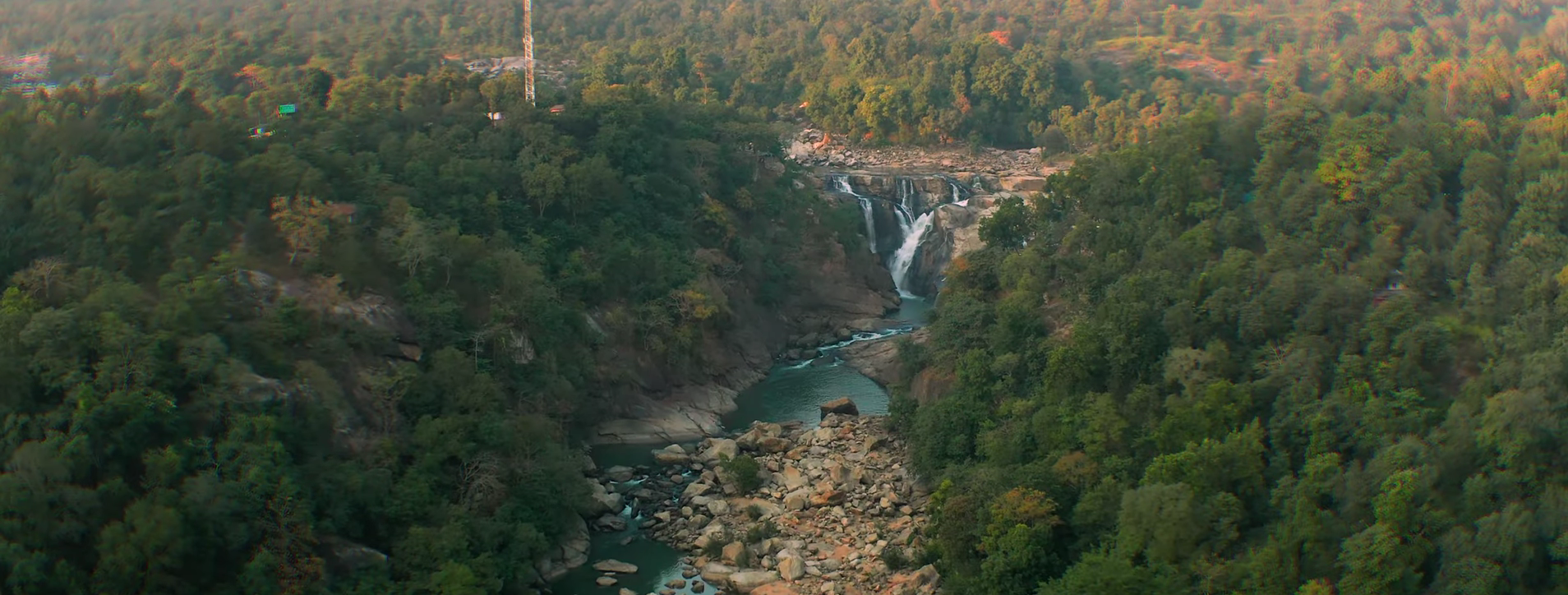
The falls are situated on the Ranchi Plateau edge, a subdivision of the larger Chota Nagpur Plateau. Like other waterfalls in the area, Dassam Falls is a scarp fall created by the plateau's elevation changes.
The Kanchi River and Name Origin
Dassam Falls owes its existence to the Kanchi River, a Subarnarekha River tributary. The Kanchi flows across the plateau until encountering the abrupt elevation change at Dassam, where it dramatically plunges 44 meters (144 feet).
The name "Dassam" is a modified form of the Mundari word "Da:song." In Mundari language, "Da:" means water and "song" means pouring or measuring. The name literally describes the waterfall's appearance—it looks as though someone is pouring water from above. This linguistic connection reflects the area's tribal heritage and local communities' long relationship with these natural features.
Height and Unique Characteristics
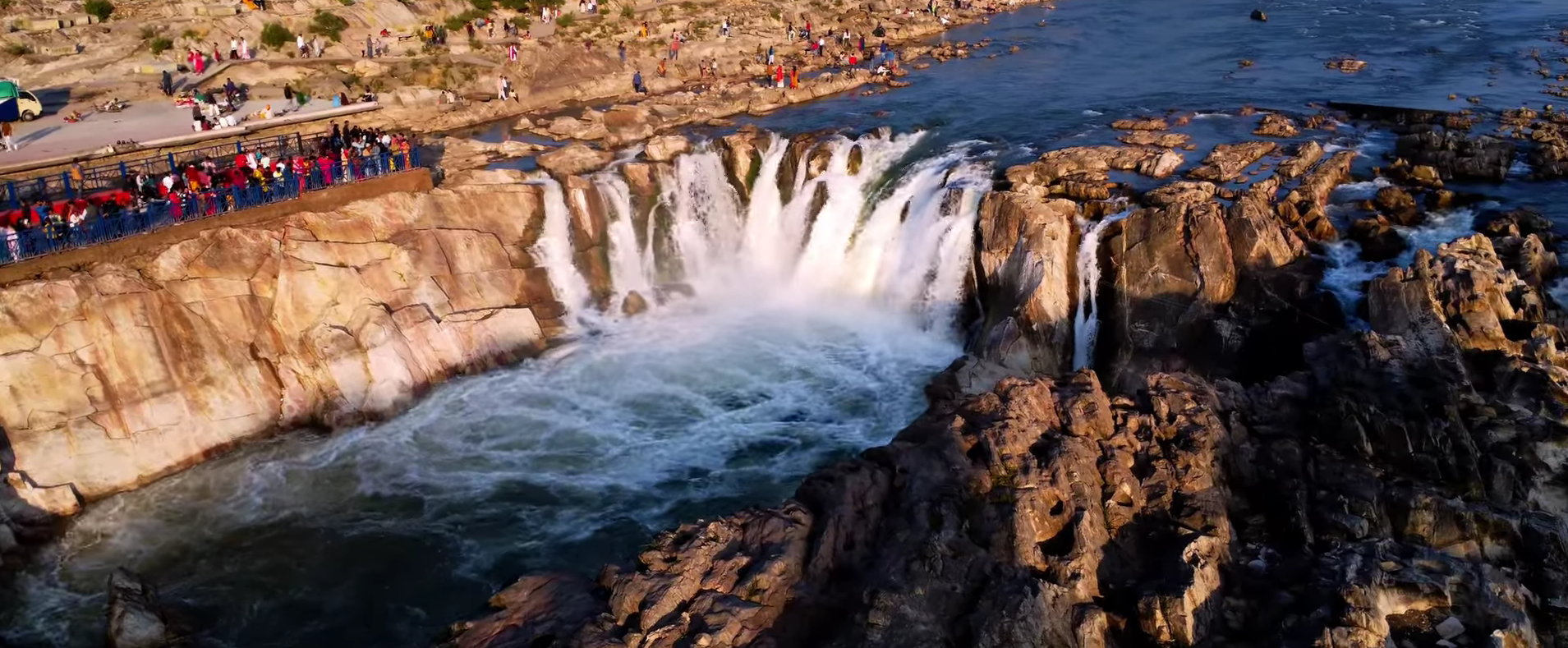
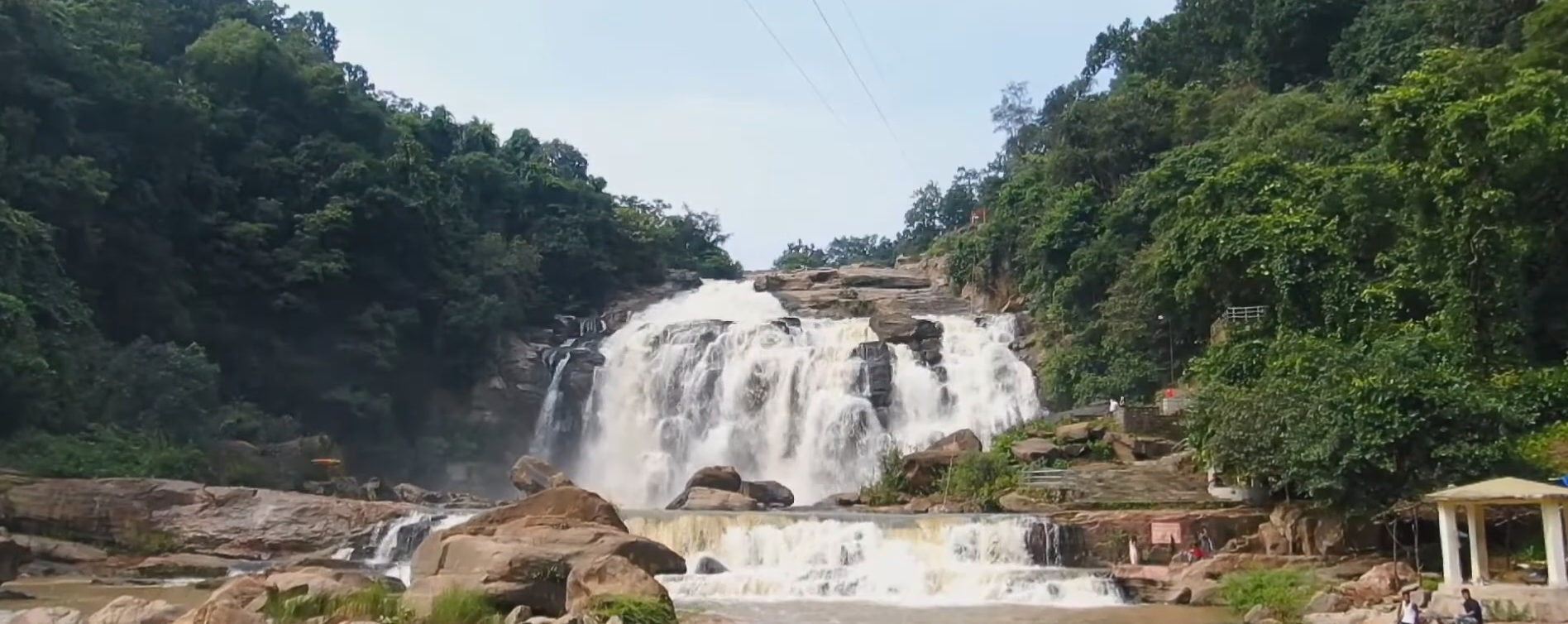
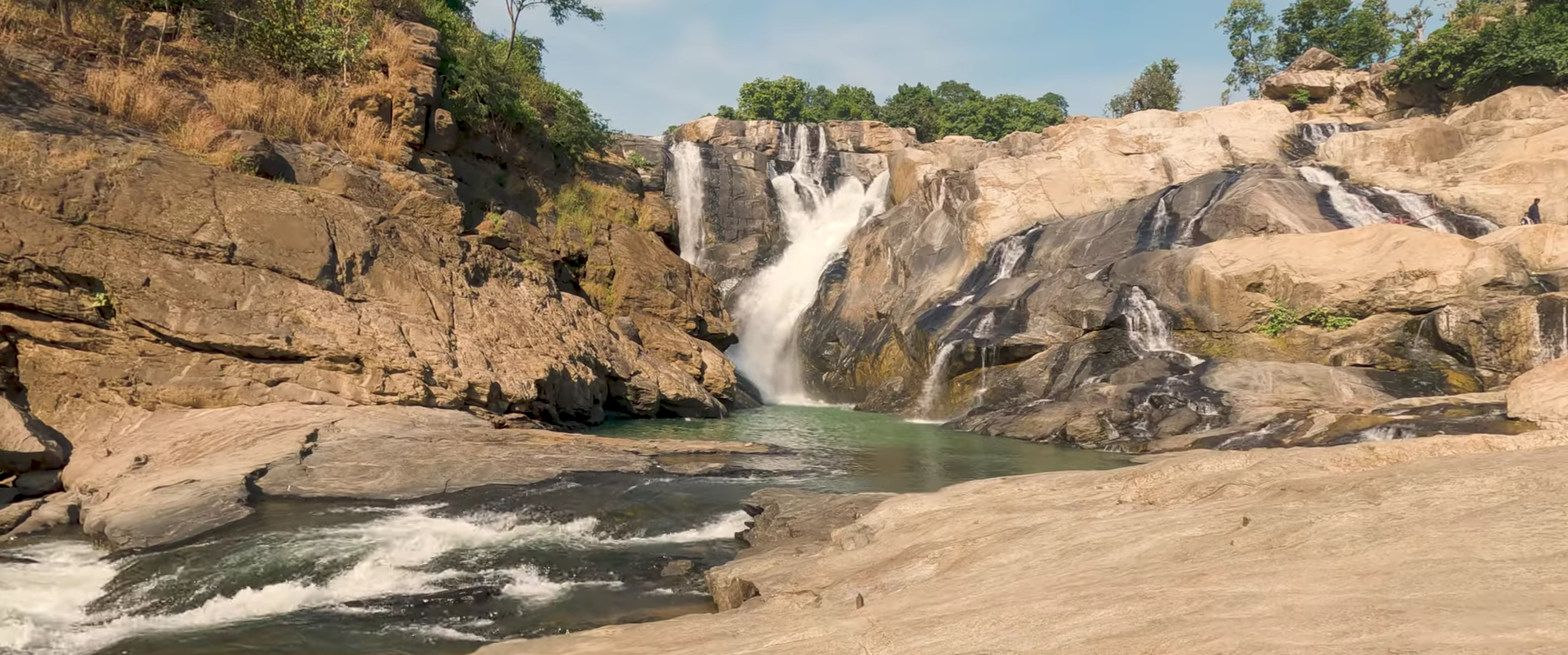
At 144 feet (44 meters), Dassam Falls stands as one of Jharkhand's prominent waterfalls. What distinguishes Dassam is its unique multi-stream structure. The waterfall divides into ten distinct streams cascading down the rock face, creating a spectacular curtain of water rather than a single column.
This ten-stream configuration creates exceptional photographic opportunities. Each stream maintains its own character while contributing to the overall spectacle, and spaces between streams reveal the dark rock face behind, creating striking visual contrast. The arrangement changes with water volume—during monsoon all ten streams flow powerfully, while in dry season some may reduce to trickles.
Like Hundru Falls, Dassam is an example of a knickpoint caused by rejuvenation. The break in the river's gradient where geological layers meet allows water to fall vertically, creating the waterfall.
The Waterfall Experience
Visual Spectacle and Access
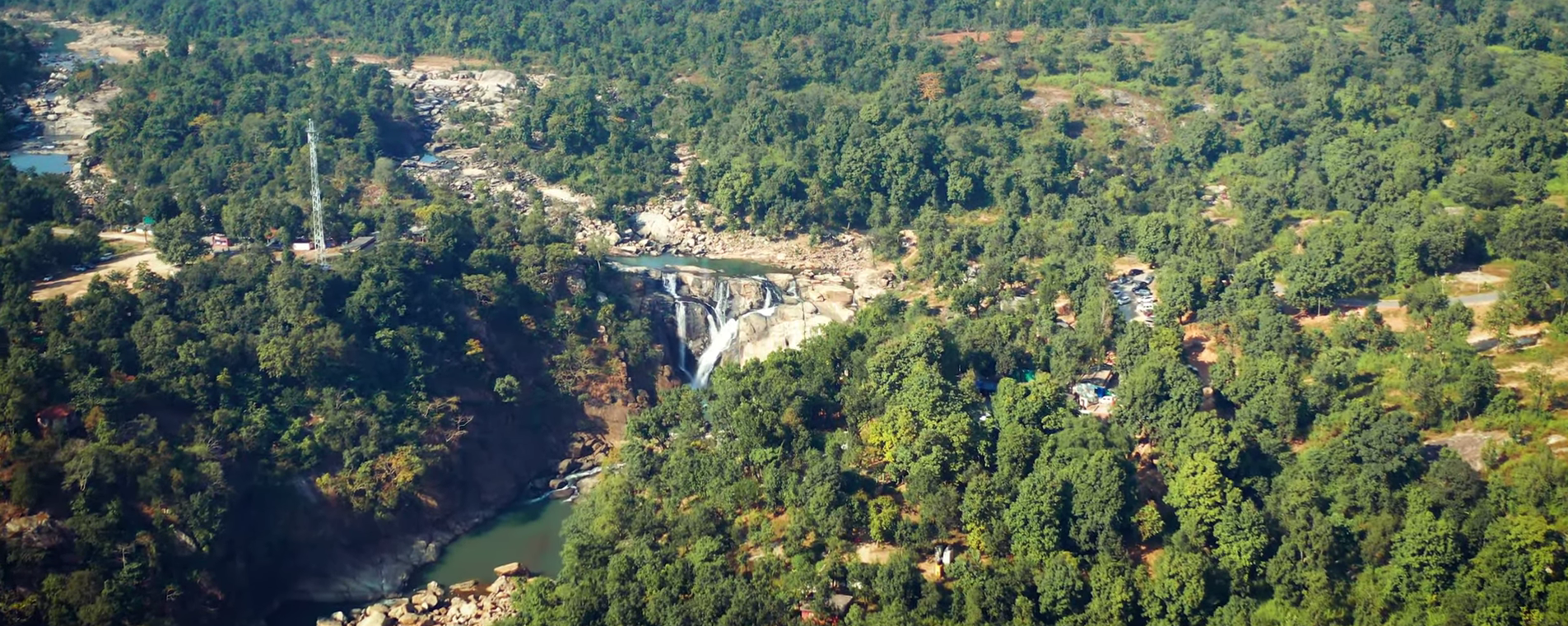
The first view of Dassam Falls surprises visitors with its width and distinct separation of water streams. The falls spread across a broad rock face, with each of the ten streams maintaining independence as it plunges. The sound of falling water echoes throughout, creating an immersive auditory experience.
The water at Dassam Falls is notably clean and clear. The transparent streams allow visitors to see the dark rock face behind, and the plunge pool below displays the same clarity that makes the water particularly inviting—though dangerously so.
To reach the viewing area and base pool, visitors must descend a flight of steps from the parking area. The stairs wind down through the landscape, offering changing perspectives of the falls, with photographers often capturing images from various levels during descent.
Critical Safety Warning
The Danger of Deceptive Calm
Dassam Falls presents a particular safety challenge because the water appears inviting and currents aren't always visibly apparent. The clear water and moderate height can lull visitors into underestimating danger. However, statistics tell a sobering story—nine people drowned between 2001 and 2006, and incidents have continued.
The currents in the plunge pool are powerful and unpredictable. The force of water falling from 144 feet creates underwater currents and undertows that can pull even strong swimmers under. The pool's depth varies, with some areas being deceptively deep.
Strict Advisory Against Swimming
Authorities strongly warn visitors not to enter the water at Dassam Falls under any circumstances. Unlike some waterfalls where swimming is safe during certain seasons, Dassam Falls maintains dangerous conditions year-round. Visitors should observe from designated viewing areas and resist any temptation to wade or swim, regardless of how calm the surface appears.
Visiting Dassam Falls
How to Reach and Best Time
Reaching Dassam Falls from Ranchi is straightforward due to its location on NH-33. The 40-kilometer journey typically takes about an hour by car or taxi. The highway is well-maintained, and local buses also ply this route, offering budget-friendly transport.
- From Ranchi via NH-33 (Ranchi-Jamshedpur Highway): 40 km
- Nearest Major City: Ranchi (~1 hour by road)
- Nearest Airport: Birsa Munda Airport, Ranchi
- Nearest Railway Station: Ranchi Railway Station
The post-monsoon period from October to December offers ideal conditions. Water flow remains substantial from recent rains, but weather is pleasant with clear skies perfect for photography. This is peak season, with increased visitor numbers, particularly on weekends.
- Post-Monsoon (October–December): Ideal conditions, peak photography season, pleasant weather
- Monsoon (July–September): Maximum volume, all ten streams flowing powerfully, more dangerous conditions
- Winter (December–February): Comfortable temperatures, moderate but impressive flow
- Summer (March–June): Reduced water flow, fewer crowds, comfortable morning visits
Photography Opportunities
Dassam Falls has earned a reputation as a photographer's paradise. The ten distinct streams create multiple compositional possibilities, and the interplay of light and water throughout the day offers constantly changing conditions. The spaces between streams reveal the dark rock face, creating dramatic contrast with white water.
Many photographers specifically visit to practice capturing moving water. The multiple streams allow experimentation with different shutter speeds and angles. The falls look particularly stunning during sunrise when golden light illuminates the water curtain, which is why sunrise is often cited as the best time for photography.
Facilities and Practical Information
The area has developed to accommodate visitors. A parking area near the top provides vehicle space, though it becomes crowded during peak seasons. Small vendors operate near parking and along the approach, selling snacks, beverages, and local items. Restroom facilities are available, though basic.
Visitors should wear sturdy, non-slip footwear suitable for navigating steps and potentially wet surfaces. Camera equipment with protection against moisture from mist is essential for photographers. Bringing water and light snacks is advisable. Sunscreen and hats provide protection during descent and time at viewing areas.
Nearby Attractions
Dassam Falls can be combined with visits to other Ranchi area waterfalls. Hundru Falls and Jonha Falls are both within reasonable distance, allowing multiple waterfall visits in a single day trip. Panch Gagh Falls offers additional sightseeing options.
- Hundru Falls: Jharkhand's tallest waterfall, located near Ranchi
- Jonha Falls: Another scenic waterfall ideal for a day trip
- Panch Gagh Falls: Additional waterfall sightseeing option
- Ranchi City: Tagore Hill, Pahari Mandir, Ranchi Lake, Jagannath Temple
Dassam Falls Location on Google Map
Frequently Asked Questions (FAQ)
How tall is Dassam Falls?
Dassam Falls has a drop of 144 feet (44 meters), making it one of Jharkhand's most prominent and visually striking waterfalls.
Where is Dassam Falls located?
Dassam Falls is located near Taimara village in Bundu subdivision, Ranchi district, Jharkhand, approximately 40 kilometers from Ranchi on National Highway 33 (NH-18), the Ranchi-Jamshedpur highway.
What is the best time to visit Dassam Falls?
The best time to visit is the post-monsoon period from October to December when water flow remains substantial, weather is pleasant, and skies are clear — perfect for photography. Winter (December–February) also offers comfortable temperatures with moderate but impressive flow.
Why is Dassam Falls famous?
Dassam Falls is famous for its unique multi-stream structure where the Kanchi River divides into ten distinct streams cascading down the rock face, creating a spectacular curtain of water that has made it a photographer's favorite destination in Jharkhand.
Is swimming safe at Dassam Falls?
No. Authorities strongly warn visitors not to enter the water at Dassam Falls under any circumstances. Despite its inviting appearance, the plunge pool has dangerous underwater currents and undertows year-round. Multiple drowning incidents have occurred here, with nine recorded deaths between 2001 and 2006 alone.
What does the name Dassam mean?
Dassam is a modified form of the Mundari word "Da:song," where "Da:" means water and "song" means pouring or measuring. The name literally describes the waterfall's appearance — as though someone is pouring water from above, reflecting the area's deep tribal heritage.
Conclusion
Dassam Falls stands as one of Jharkhand's most photogenic natural attractions, where the Kanchi River divides into ten distinct streams before plunging 144 feet into the pool below. Located conveniently on the Ranchi-Jamshedpur highway, this accessible waterfall attracts photographers, nature enthusiasts, and families seeking natural beauty. The unique multi-stream configuration creates visual interest unmatched by single-column waterfalls, while the clean, clear water showcases the Kanchi River's purity. However, the beauty comes with serious responsibility—the dangerous currents in the plunge pool have claimed multiple lives, making swimming strictly inadvisable regardless of how inviting the water appears. For those who visit with appropriate caution and respect for nature's power, Dassam Falls delivers a memorable experience capturing the geological drama of the Chota Nagpur Plateau.