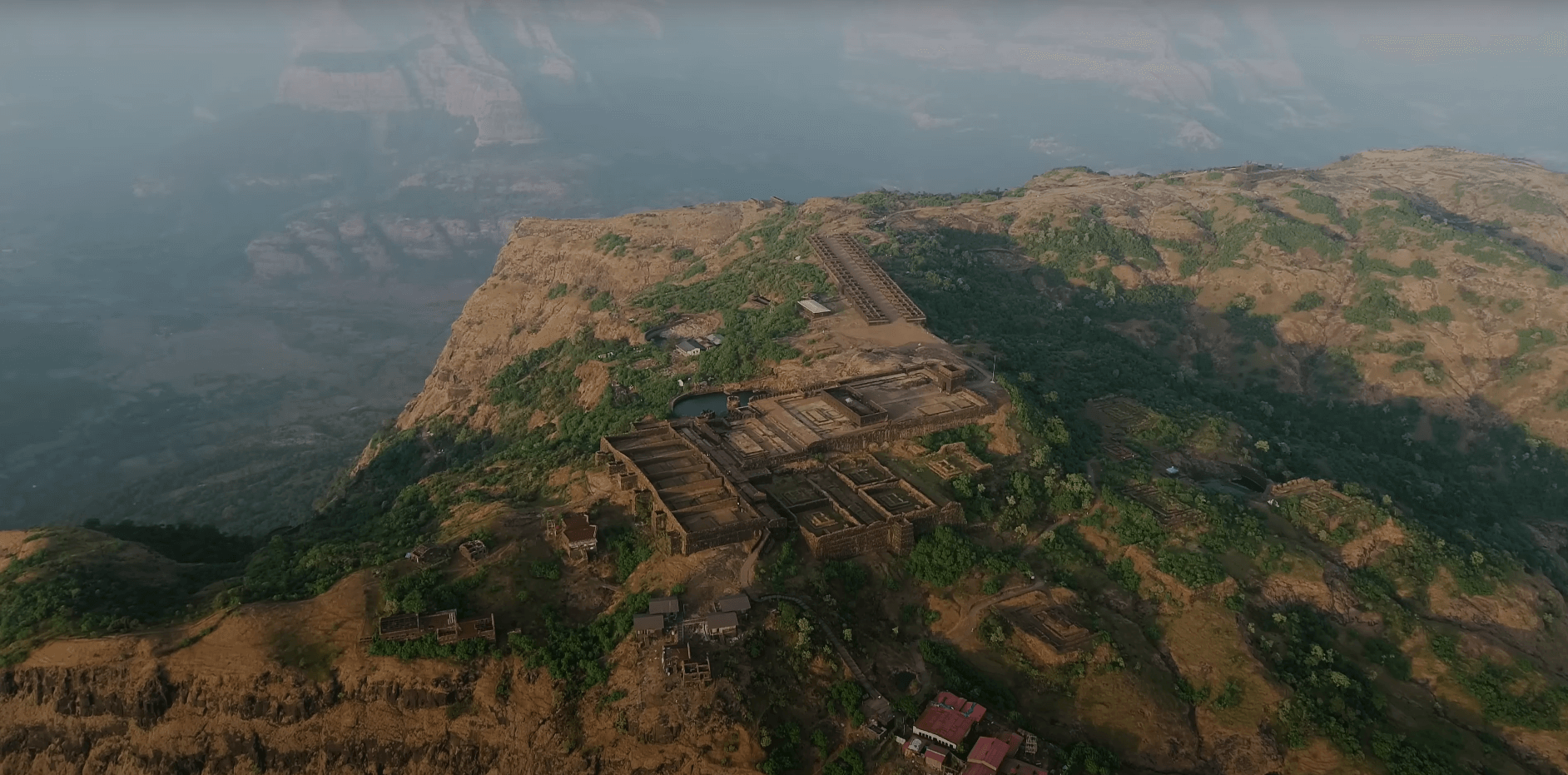
Harishchandragad is one of the most exciting and challenging trekking destinations in the Sahyadri mountain range. Located at a height of 4,670 feet, this ancient fort sits on the edge of the Western Ghats and offers some of the most spectacular views you'll ever see. The trek to Harishchandragad is known for its beautiful landscapes, adventure routes, and rich historical importance. Whether you're coming from Mumbai or Pune, this complete guide will help you plan the perfect trek to this amazing destination.
Understanding Harishchandragad – Location and Distance
Where is Harishchandragad Located?
Harishchandragad is a historic fort located in the Sahyadri mountain range in Maharashtra. The fort sits on the border between different district areas and can be reached from multiple base villages. The fort is situated at an elevation of 4,670 feet above sea level, making it one of the higher trekking destinations in the region. The landscape around the fort is dominated by rocky peaks, deep valleys, and forested areas that change with the seasons.
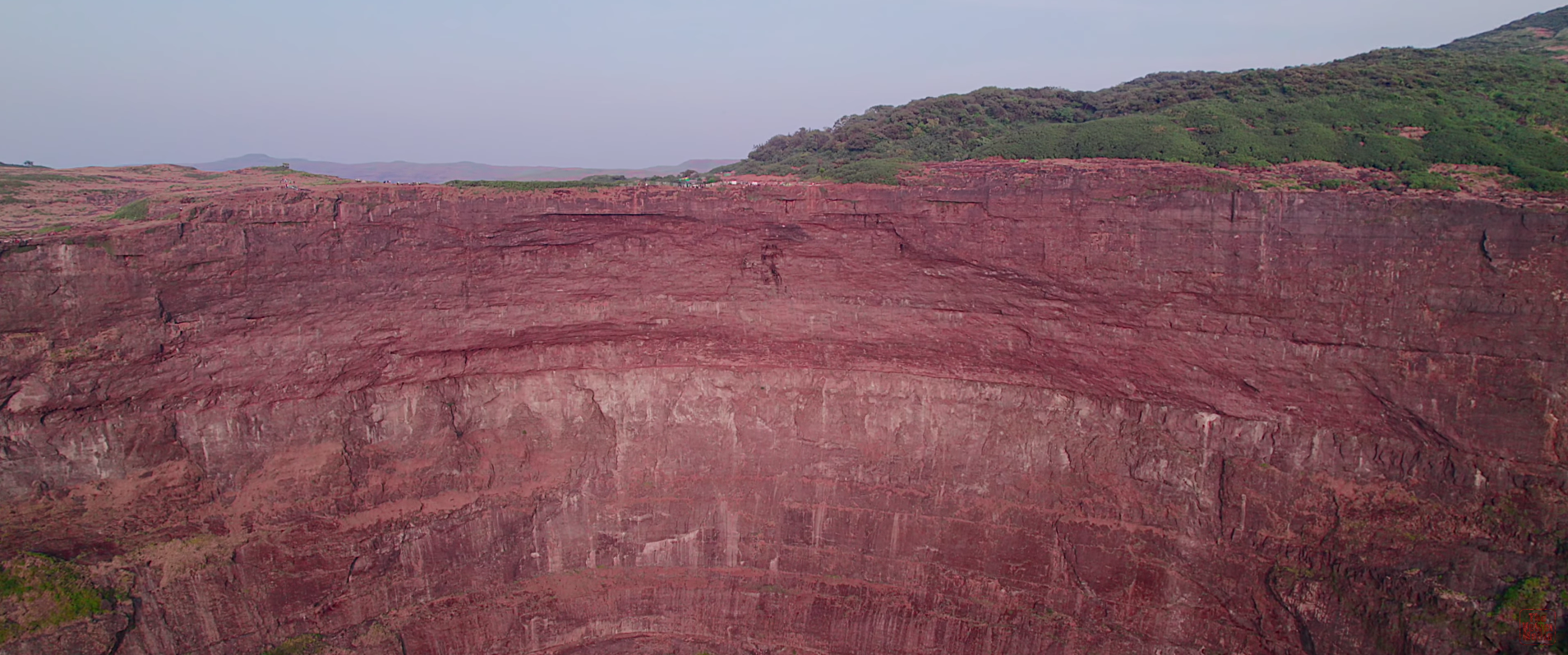
The fort is spread across a large area at the top of the mountain with multiple peaks and plateaus. The most famous spot is Konkankada, which is a dramatic cliff that looks like the hood of a cobra. From certain angles, this cliff appears to hang in the air, and the views from there are absolutely stunning. You can see for miles in every direction, and the vastness of the Sahyadri mountains becomes very clear from this vantage point.
How Far is Harishchandragad from Major Cities?
The distance to Harishchandragad from major cities makes it accessible as both a day trip and an overnight trekking adventure:
- From Mumbai: About 130 kilometers away. The drive takes 3 to 3.5 hours depending on which route you take and traffic conditions.
- From Pune: About 90 kilometers away. The drive takes 2 to 2.5 hours to reach the base villages.
- From Nashik: About 60 kilometers away. It takes about 1.5 to 2 hours to reach the starting point.
Base Villages – Where the Trek Starts
There are four main base villages from where you can start your trek to Harishchandragad. Each has its own advantages and different difficulty levels:
- Pachnai Village: The most popular and beginner-friendly route. This is the easiest approach and takes about 2 to 3 hours to reach the top.
- Khireshwar Village: A moderate route with some steep sections. It's about 4 to 5 hours of trekking and passes through the famous Tolar Khind.
- Lavhali Village: A less-crowded route that offers a good balance of difficulty and scenic beauty.
- Belpada Village: Another starting point that connects to the main fort area through different paths.
The History of Harishchandragad Fort
Ancient Origins and Early History
Harishchandragad has a history that goes back many centuries. The fort is believed to have been built in ancient times, though exact details about its original builders are not very clear. The name "Harishchandragad" comes from the legendary King Harishchandra, a character famous in Hindu mythology for his honesty and truth. Many believe the fort was named to inspire truth and justice among the people who lived and ruled from here.
The fort's location on such a high peak in the Sahyadri mountains made it a naturally strong position for defense. Ancient rulers recognized this and used the fort as a strategic military outpost. The rocky terrain and difficult access routes made the fort hard to attack, which is one reason why it survived and maintained its importance through different periods of history.
Medieval Period and Local Rulers
During the medieval period, Harishchandragad came under the control of various local rulers and kingdoms. The fort saw periods of importance and periods of decline depending on which dynasty or kingdom was in power. The structure and design of the fort show influences from different ruling periods, with each ruler making changes and improvements based on their needs.
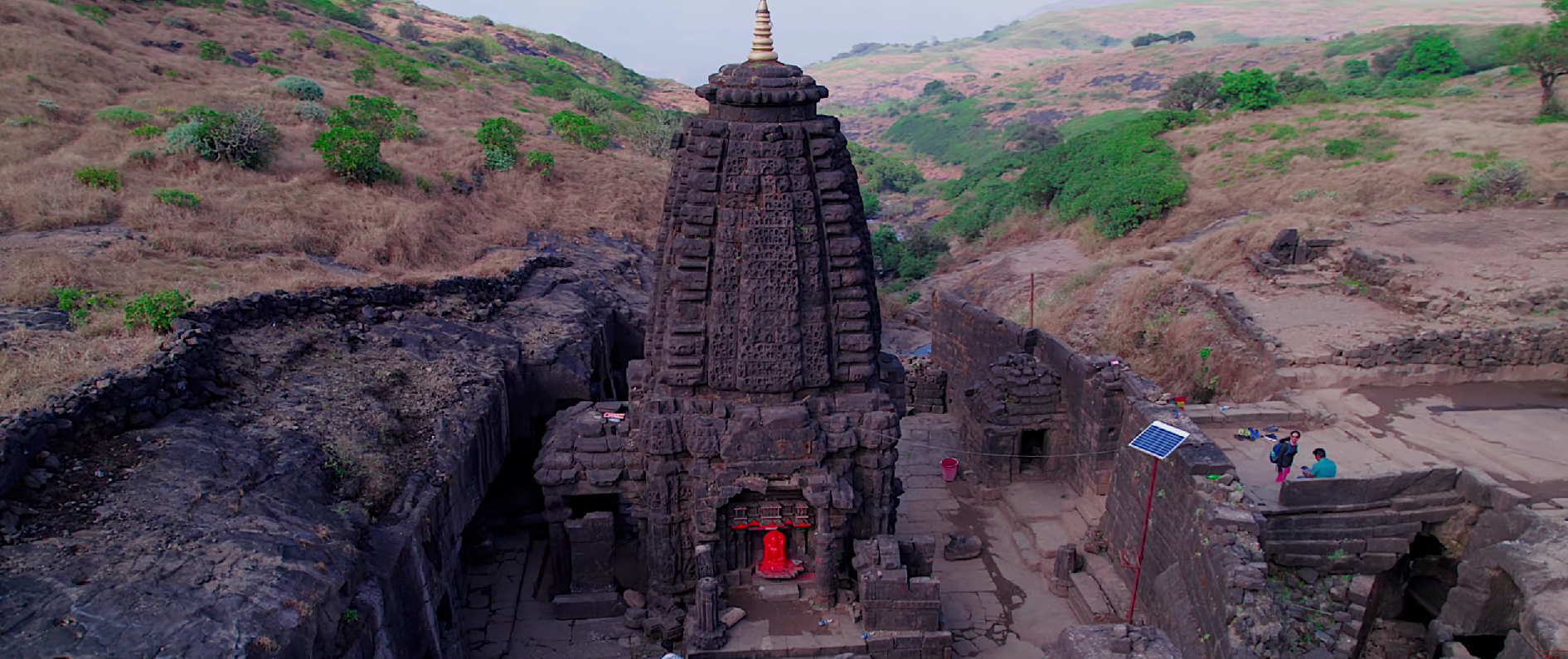
One interesting aspect of Harishchandragad is the Harishchandreshwar Temple located on the fort plateau. This ancient temple shows the religious importance the fort had in addition to its military value. The temple has beautiful stone architecture that dates back several centuries. The temple was not just a place of worship but also served as a place of learning for saints and holy people who lived in the nearby caves.
Maratha Period and Beyond
During the Maratha Empire period, Harishchandragad became one of the many forts controlled by the Marathas. The fort served as a military stronghold and was used to protect the surrounding territories. The Marathas made various improvements to the fort's structures to make it stronger and more practical for their defensive needs. The location of the fort on a high peak made it valuable for the Marathas as they expanded and defended their kingdom.
When the British arrived and took control of the region, the fort lost its military importance. The British were more interested in controlling the plains and major towns rather than high mountain forts. After India became independent, the fort was recognized as an important historical site and has been preserved for future generations. Today, it stands as a reminder of the ancient kingdoms and empires that ruled this region.
Trekking Routes to Harishchandragad – Understanding Your Options
Route Overview and Difficulty Levels
Harishchandragad offers multiple trekking routes, each with different difficulty levels and experiences. The route you choose depends on your fitness level, experience, and how much time you have. Here's a detailed look at each main route:
Pachnai Route – Beginner Friendly
Difficulty Level: Easy to Moderate
Distance and Time: About 3 to 4 kilometers. The trek takes 2 to 3 hours going up and about 1.5 to 2 hours coming down.
What to Expect: The Pachnai route is the most popular and is perfect for beginners and families with children. The path starts from Pachnai village and gradually climbs through agricultural areas and then into forested sections. The slope is gentle in the beginning and becomes steeper as you get closer to the top. The path is well-marked with painted signs and is easy to follow. There are resting spots along the way where you can take breaks and enjoy the views.
Special Features: This route is less crowded on weekdays and offers a good experience for first-time trekkers. The ascent is not too steep, making it suitable for people of average fitness. The descent is easier than the climb, so you won't be exhausted by the time you reach the base.
Khireshwar Route – Moderate Challenge
Difficulty Level: Moderate
Distance and Time: Longer distance with about 4 to 5 hours of trekking uphill and 3 to 4 hours for descent.
What to Expect: The Khireshwar route is more challenging than the Pachnai route and offers a more adventurous experience. This path passes through the famous Tolar Khind, which is a narrow rocky gorge with dramatic views. The trek has several steep sections where you need to use your hands for climbing. There are ropes fixed in some of the steeper areas to help trekkers climb safely.
Special Features: This route connects to the Pachnai route at the top, so you can do a loop trek if you want. The Tolar Khind section offers thrilling views and is quite different from regular trekking. This route is popular among trekkers who want more adventure and are comfortable with steep climbs. You get to see more varied landscapes and experience different types of terrain.
Nalichi Vaat Route – For Experienced Trekkers
Difficulty Level: Difficult to Very Difficult
Distance and Time: The longest and most challenging route. It takes 8 to 10 hours of continuous trekking and is usually done as an overnight trek or early morning start.
What to Expect: Nalichi Vaat is a famous gorge trekking route that features an 80-degree steep climb. This is not a regular hiking path but more like a technical climbing route. You'll need to use ropes, climb using hand and foot holds, and navigate through narrow rocky passages. The route requires good physical fitness, climbing experience, and mental toughness.
Special Features: This route is for serious trekkers and adventure enthusiasts. The views and the sense of achievement at the end are incredible. Many experienced trekkers consider Nalichi Vaat to be one of the best trekking experiences in the Sahyadri mountains. However, it should only be attempted by people with proper trekking experience and good fitness levels.
Lavhali Route – The Quiet Path
Difficulty Level: Moderate
What to Expect: The Lavhali route is less crowded than Pachnai and offers a more peaceful trekking experience. It connects to the main fort area through scenic paths and offers good views along the way. This route is suitable for trekkers who want to avoid crowds but still have a reasonable difficulty level.
Planning Your Trek – What You Need to Know
Best Time to Visit Harishchandragad
The time you choose to visit Harishchandragad affects your experience greatly. Here's what each season offers:
- August to October: Post-monsoon freshness with lush green landscape. The vegetation is at its best. However, the ground can still be wet and slippery in early August.
- November to February: Winter months with cool weather and clear skies. This is the peak trekking season with perfect conditions. The visibility is excellent, and you can see far distances.
- March to May: Spring to early summer. The weather is warm but still trekking-friendly. The landscape becomes drier. May can get quite hot, but mornings are still pleasant.
- June to July: Monsoon season brings heavy rain. The landscape is incredibly green and beautiful, but the trails are slippery and dangerous. Only experienced trekkers should attempt this in monsoon.
The absolute best time is from November to February when the weather is perfect, visibility is clear, and trekking conditions are ideal.
What to Carry on the Trek
Proper packing is essential for a safe and comfortable trekking experience. Make sure you carry all these items:
- Water: Carry at least 2.5 to 3 liters of water. There are water sources at the base village, but bring enough for the trek.
- Food and Snacks: Pack energy bars, nuts, dried fruits, bananas, and other lightweight snacks to keep your energy up during the trek.
- Trekking Shoes: Wear proper trekking shoes with excellent grip and ankle support. The rocks are uneven and can be slippery, especially after rain.
- Comfortable Clothing: Wear light, breathable clothes. Avoid cotton and choose quick-drying materials. Wear layers so you can adjust as the temperature changes.
- Sun Protection: Bring sunscreen with high SPF, a hat or cap, and sunglasses. The sun is strong at high altitudes.
- Light Jacket: Even if it's warm during the day, it gets cool at the top and in the evening. A lightweight fleece or windbreaker is useful.
- First Aid Kit: Pack basic medicines for cuts, bruises, pain relief, upset stomach, and any personal medicines you might need.
- Mobile Phone and Power Bank: Keep your phone charged for emergencies and photography. A power bank is useful for backup.
- Trekking Poles: Especially if you're doing the Nalichi Vaat or Khireshwar routes, poles help with balance and reduce strain on knees.
- Small Towel or Handkerchief: Useful for wiping sweat and dust.
- Torch or Headlamp: If you're trekking in early morning or if the trek extends into evening, a light source is essential.
Safety Tips for Trekking
Safety should always be your top priority while trekking. Follow these important guidelines:
- Never trek alone. Always go with at least one friend or join a trekking group.
- Start early in the morning, preferably between 6 AM and 7 AM, to have plenty of daylight.
- Stay on marked trails and don't wander off exploring on your own.
- Wear proper trekking shoes with good grip. Many accidents happen due to slipping and falling.
- Be extra careful on steep and rocky sections. Move slowly and use ropes where provided.
- Drink water regularly even if you're not thirsty. Dehydration happens quickly at high altitudes.
- Tell someone reliable about your trek plans – where you're going, with whom, and when you'll return.
- Check the weather forecast before you start. Don't trek in heavy rain or bad weather conditions.
- If you feel unwell, too tired, or unsafe, it's okay to turn back. There's no shame in it.
- Take regular breaks, especially on steep sections. Pushing yourself too hard can lead to accidents.
- For challenging routes like Nalichi Vaat, consider hiring an experienced local guide.
Top Attractions and Things to See at Harishchandragad
Konkankada – The Star Attraction
Konkankada, also known as Kokan Kada, is the most famous and photographed part of Harishchandragad. This is a massive concave cliff that drops over 650 feet straight down. From certain angles, the cliff formation looks exactly like the hood of a cobra, which is how it got its name "Konkankada" (Kokan means cobra in local language).
Standing at the edge of Konkankada is an experience you'll never forget. The views are absolutely breathtaking, with the vast Sahyadri mountains stretching out below you. On clear days, you can see for 30 to 40 kilometers in every direction. The cliff is especially spectacular during sunset when the light hits it at different angles, creating beautiful colors and shadows.
Konkankada is also popular with photographers and adventure enthusiasts. However, it's important to be very careful here. The edges are dangerous, and you should never go too close to the edge or take unnecessary risks for photos. Respect the power of nature and stay safe.
Taramati Peak – The Highest Point
Taramati Peak is another important attraction at Harishchandragad. It's the highest point on the fort plateau and offers 360-degree views of the surrounding landscape. The peak provides a perfect spot for sunrise or sunset viewing. Many trekkers consider watching the sunrise from Taramati Peak to be a life-changing experience.
The peak is less crowded than Konkankada, so it's a good place to enjoy quiet moments and take in the natural beauty. The views of the distant hills and valleys from here are peaceful and inspiring. If you're interested in photography or just want to enjoy nature, Taramati Peak is a must-visit spot.
Harishchandreshwar Temple – Historical and Spiritual
The Harishchandreshwar Temple is an ancient temple located on the fort plateau. It's built with beautiful stone architecture that shows the skill of ancient craftsmen. The temple is dedicated to Lord Shiva and is believed to be several centuries old. Many devotees come here to pray, and the temple holds spiritual significance for many people.
Inside the temple area, you'll find caves that were used by saints and ascetics who lived here. These caves show how people used natural rock formations to create shelters. The temple also has open areas where religious ceremonies and festivals are celebrated. If you're interested in history and spirituality, the temple is worth exploring.
Balekilla – The Citadel
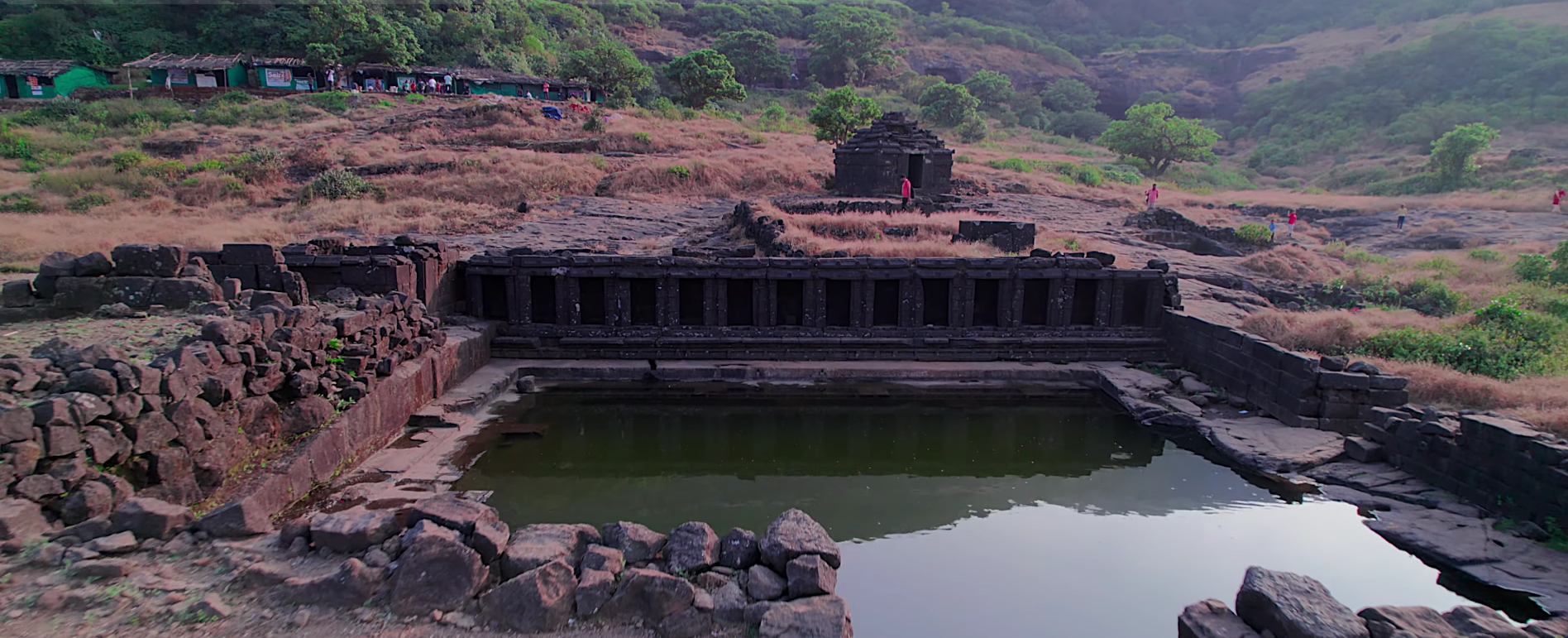
Balekilla, or the Citadel, refers to the fortified area at the top of the fort. This is where the main defensive structures and administrative buildings were located. You can see the remains of old stone walls, bastions, and other structures. There are also ancient water tanks and cisterns that were built to store water during sieges.
Exploring Balekilla gives you an idea of how the fort was designed and how soldiers lived here. The structures show clever defensive planning with positions for archers and gunners. The water storage systems show how people managed resources in such a high altitude location.
Practical Travel Information
Entry Fee and Opening Hours
Harishchandragad is open to visitors throughout the year and there is no entry fee. The fort can be trekked 24 hours a day, though it's best to trek during daylight hours. However, many experienced trekkers do night treks to see the sunrise from the top, which is a magical experience.
The base villages have no specific entry gates or checkpoints. Once you reach the base village, you can start trekking directly. Make sure to respect the environment and follow these rules:
- Do not litter. Take all your trash back with you.
- Do not damage or remove any historical structures.
- Do not make loud noise or create disturbance.
- Respect the religious significance of the temple area.
- Do not make fires on the fort.
How to Reach from Mumbai and Pune
From Mumbai:
- Distance: About 130 kilometers
- Drive towards Nashik on the Mumbai-Nashik Highway
- Near Igatpuri, turn towards Kasara
- Reach Pachnai, Khireshwar, or other base villages from there
- Total time: About 3 to 3.5 hours depending on traffic
From Pune:
- Distance: About 90 kilometers
- Drive towards Nashik via Junnar
- Reach the base villages near Junnar district
- Total time: About 2 to 2.5 hours
By Train:
- Nearest stations are Igatpuri (from Mumbai) and Kasara
- From the station, you can hire a taxi to reach the base village
- The journey takes about 1 to 1.5 hours from the station to the base
Accommodation and Camping
On the Fort: There is no established hotel on the fort. However, many trekkers camp on the fort plateau near Taramati Peak or near the temple area. Camping under the stars here is an unforgettable experience with clear skies and stunning views.
In Base Villages: The base villages have very basic accommodation options including small guesthouses and homestays. The facilities are simple but clean. Many trekkers stay in these villages the night before and start trekking early morning.
In Nearby Towns: Towns like Igatpuri, Kasara, and Junnar (20-30 km away) have better hotel options ranging from budget to mid-range. You can stay here and commute to the trek base in the morning.
Food and Dining
Base villages have very limited food options. It's best to bring your own food and snacks. Pack enough for the entire trek and don't rely on finding food on the mountain. However, some villages might have small shops where you can buy basic items like water, tea, and snacks.
If you're camping on the fort, many trekking groups carry cooking equipment and prepare meals. This is usually organized through trekking companies or tour operators.
Nearby Attractions and Things to Do
Kalsubai Peak
Kalsubai Peak is the highest mountain in Maharashtra at 5,400 feet and is located about 20 kilometers from Harishchandragad. Many trekkers visit both peaks on the same trip. The trek to Kalsubai takes about 3 to 4 hours and is also a popular destination. The views from Kalsubai are equally spectacular.
Koteshwar Temple
Located at the base villages, this historic temple is dedicated to Lord Shiva. It's believed to be hundreds of years old and shows beautiful ancient architecture. Many trekkers visit this temple before or after their trek to Harishchandragad.
Tulja Bhavani Temple
This sacred temple is important in Maratha history and is located in the Junnar area, about 30 kilometers from Harishchandragad. The temple has religious significance and beautiful architecture. It's worth a visit if you're interested in history and spirituality.
Kasara and Igatpuri Towns
These towns are near the trekking base and have shops, restaurants, and hotels. You can explore the local culture, try local food, and rest before or after