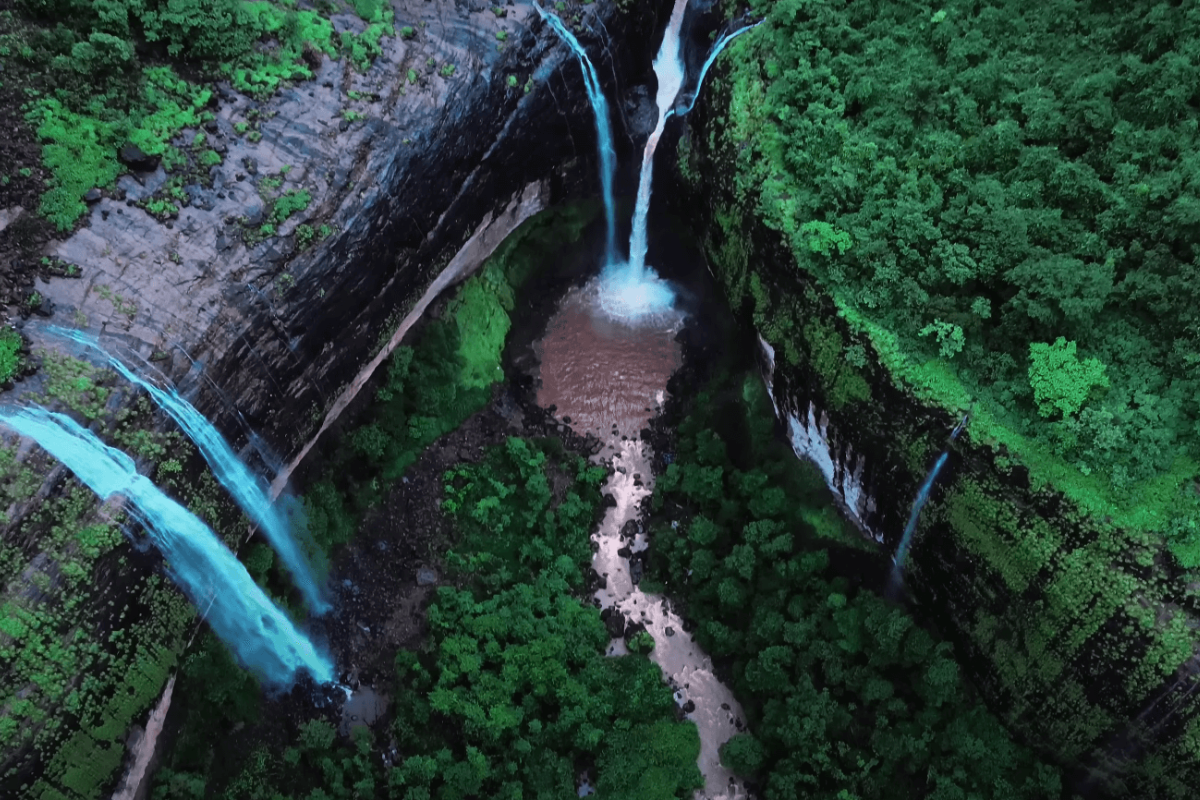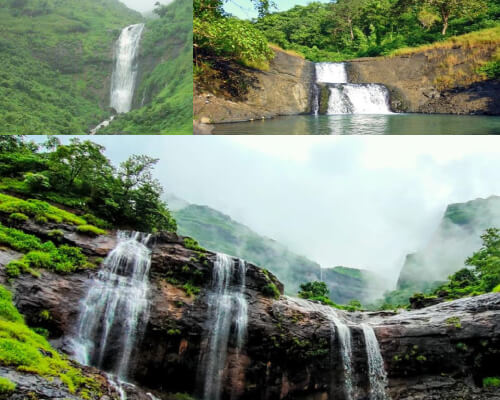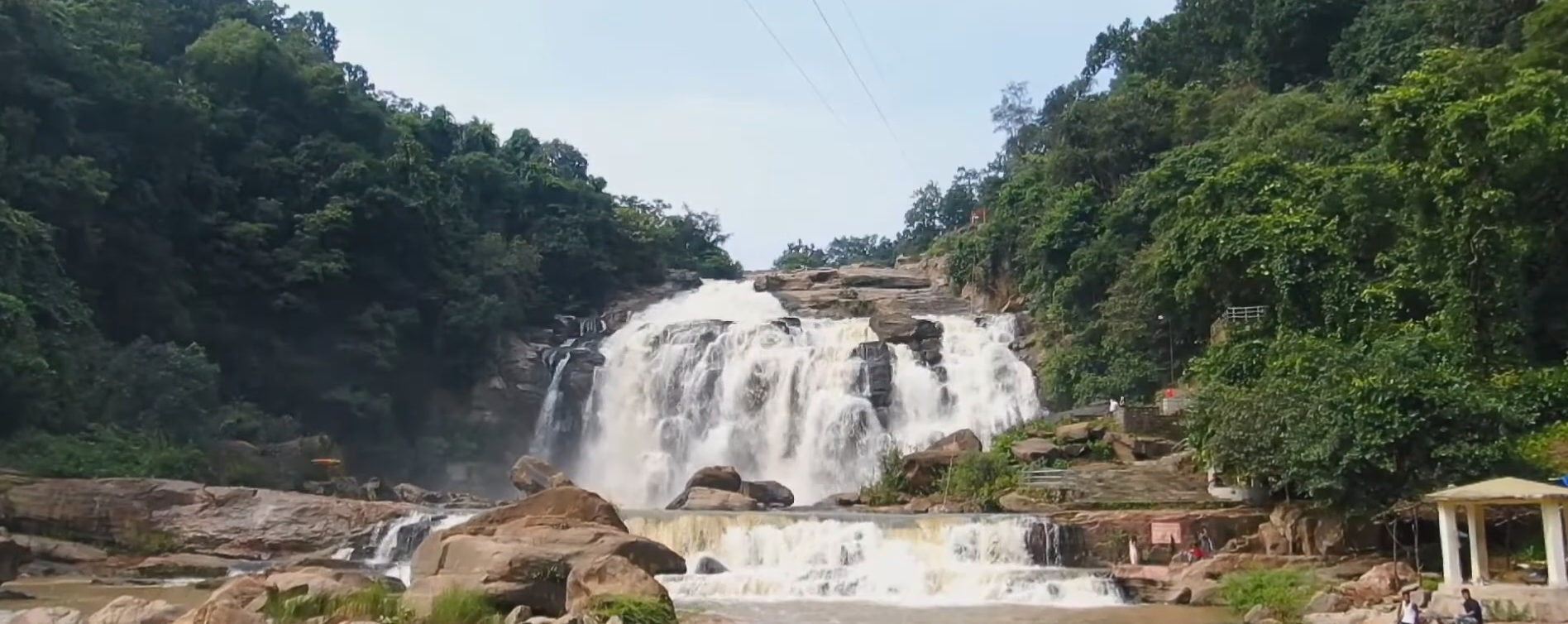
Where the Gunga River hangs over its master stream in Ranchi district, Jonha Falls—also known as Gautamdhara Falls—plunges 43 meters in a spectacular display of nature's architecture. This unique hanging valley waterfall, located approximately 40 kilometers from Ranchi, combines natural beauty with spiritual significance through its ancient Buddhist temple perched atop Gautam Hill. The 722 steps descending to the falls create an adventure, while Buddhist heritage and weekly fairs add cultural richness, making Jonha Falls one of Jharkhand's most distinctive waterfall destinations.
Understanding Jonha Falls
Location and Accessibility
Jonha Falls is located in Ranchi district, approximately 40 kilometers from Ranchi city, sitting on the edge of the Ranchi Plateau. Unlike Hundru and Dassam Falls along major highways, Jonha requires traveling the Ranchi-Purulia Road for about 32 kilometers before taking a 4.8-kilometer detour.
The waterfall's location on Gautam Hill adds distinctive character. The hill houses an ancient Buddhist temple predating modern tourism development, combining natural and spiritual elements uniquely among Jharkhand's waterfalls.
One distinguishing feature is accessibility by both road and rail. Jonha Station, just 1.5 kilometers from the falls, serves as the nearest railway station—unusual among the region's waterfalls and adding convenience for train travelers.
The Gunga and Raru Rivers
Jonha Falls forms where the Gunga River encounters the Raru River in a hanging valley formation. A hanging valley occurs when a tributary river's valley is elevated above the main river's valley, typically due to differential erosion. The Gunga River, hanging over the Raru River, creates the waterfall as it plunges to join its master stream below.
This hanging valley configuration makes Jonha Falls geologically distinct from knickpoint waterfalls like Hundru and Dassam. While those result from breaks in a single river's gradient, Jonha represents the meeting point of two separate water systems at different elevations.
Height and Formation
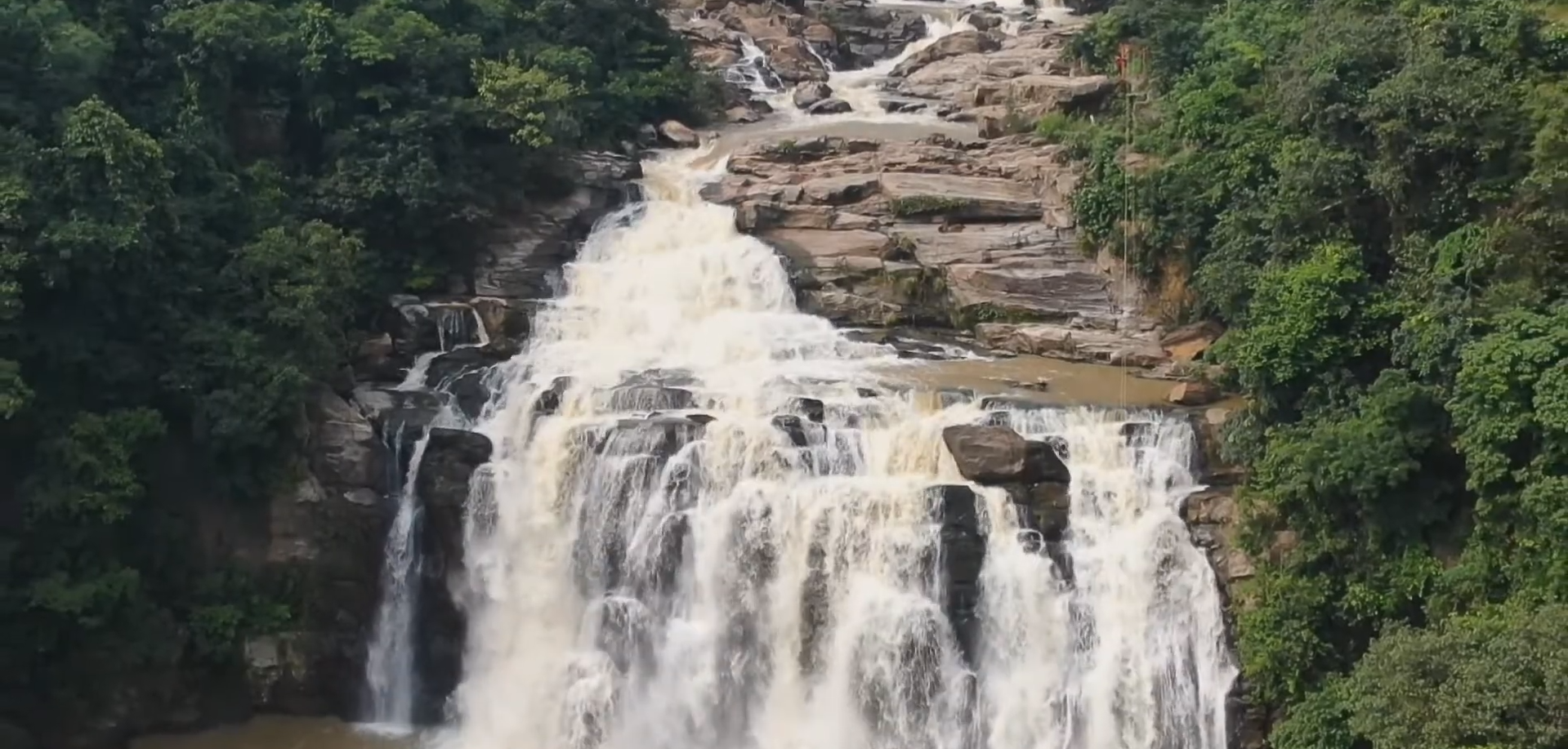
Water at Jonha Falls drops from 43 meters (approximately 141 feet), creating an impressive cascade visible from multiple viewpoints during descent. The waterfall's flow varies seasonally—monsoon brings substantial volume, while drier months maintain enough flow for scenic cascades. Surrounding rock formations and vegetation frame the falls beautifully year-round.
The 722-Step Descent
The Journey Down
One of Jonha Falls' most memorable features is the 722 steps visitors must descend to reach the base. This extensive staircase winds down the hillside, offering constantly changing views. The descent typically takes 20 to 40 minutes depending on pace and fitness level.
The steps are generally well-maintained, though they become slippery during and after rain. The number—722 steps—has become part of Jonha Falls' identity. As visitors descend, they experience the changing ecosystem from hilltop forest to the moist environment near the waterfall base. The sound of falling water grows louder with each step.
Alternative Access
Interestingly, Jonha Fall Resort provides viewing access bypassing the extensive staircase, making the falls accessible to those with mobility limitations. This ensures the falls can be enjoyed by visitors of all physical abilities. However, many choose the traditional stair descent specifically for the experience and exercise, with the climb back offering a sense of accomplishment.
Buddhist Heritage and Spiritual Significance
The Temple and Historical Significance
Atop Gautam Hill stands an ancient Buddhist temple dedicated to Lord Gautama Buddha, built hundreds of years ago. Some accounts attribute its construction to the sons of Baldeo Das Birla, a prominent industrialist. The temple houses a Buddhist shrine, creating a spiritual atmosphere that distinguishes Jonha Falls from purely natural attractions.
The temple explains the waterfall's alternate name—Gautamdhara Falls. "Gautam" refers to Buddha, while "dhara" means stream or flow in Sanskrit. Thus, Gautamdhara translates to "Gautam's stream" or "Buddha's waterfall."
Many Buddhist remains present in the area suggest this site held religious importance for centuries. The combination of natural beauty and spiritual significance likely made Gautam Hill a pilgrimage destination historically. Today, these Buddhist elements add cultural depth, attracting both nature lovers and those interested in Buddhist heritage.
Weekly Fairs
Adding cultural vibrancy, fairs are organized every Tuesday and Saturday. These weekly events bring local communities together, offering opportunities for trade, social interaction, and cultural exchange. The fairs feature local products, food vendors, and often traditional entertainment.
Timing a trip to coincide with fair days provides insight into local culture and opportunities to interact with residents. The combination of waterfall viewing, temple visit, and fair participation creates a comprehensive cultural experience unique among Jharkhand's waterfalls.
Visiting Jonha Falls
Best Time to Visit
The post-monsoon period from October to December provides ideal conditions. Water flow remains substantial from recent rains, but weather improves with clear skies and comfortable temperatures. This is peak tourist season, particularly on fair days when cultural activities enhance the natural attraction.
- Post-Monsoon (October–December): Ideal conditions, peak season, clear skies, best photography
- Monsoon (July–September): Maximum water flow, dramatic cascades, 722 steps more treacherous when wet
- Winter (December–February): Pleasant temperatures for stair descent, moderate but scenic flow
- Summer (March–June): Reduced flow, fewer crowds, cooler morning visits recommended
How to Reach
Jonha Falls is accessible by both road and rail, offering flexibility for all types of travelers.
- From Ranchi via Ranchi-Purulia Road: ~32 km, then 4.8 km detour to the falls
- Total Distance from Ranchi: ~40 km
- Nearest Railway Station: Jonha Station (1.5 km from the falls)
- Nearest Airport: Birsa Munda Airport, Ranchi
- Local buses and taxis: Available from Ranchi
What to Bring and Safety
Given the 722-step descent and ascent, visitors need sturdy, non-slip footwear. Comfortable, breathable clothing allows easier movement. Bringing adequate water is crucial—the climb back up can be exhausting. Energy snacks provide fuel. Cameras should be protected in waterproof bags against mist and spray.
For those visiting the Buddhist temple, modest clothing is respectful. If visiting on fair days (Tuesday or Saturday), bringing cash allows participation in local commerce.
The 722-step descent and ascent require physical fitness and caution. Visitors should take their time, particularly when descending, and use handrails to maintain stability. Those with heart conditions, knee problems, or other health concerns should carefully consider whether the stair challenge is appropriate. The waterfall area requires standard caution around water and slippery rocks, and parents should supervise children carefully both on stairs and near water.
Nearby Attractions
Jonha Falls can be combined with visits to other Ranchi area waterfalls for a comprehensive day trip through Jharkhand's natural wonders.
- Hundru Falls: Jharkhand's tallest waterfall at 98 meters, on the Subarnarekha River
- Dassam Falls: Ten-stream 144-foot cascade on the Kanchi River
- Ranchi City: Tagore Hill, Ranchi Lake, Pahari Mandir, Jagannath Temple
Practical Information for Visitors
Entry, Accommodation, and Dining
Information about entry fees varies, with some sources indicating minimal or no fee. Visitors should confirm current requirements on arrival. The falls are generally accessible during daylight hours, with early morning and late afternoon offering the best lighting and cooler temperatures for stair climbs.
Jonha Fall Resort provides accommodation near the waterfall, offering convenience for those wanting to visit at different times of day or avoid the long journey from Ranchi. It also provides resort guests with an alternative viewing access that bypasses the staircase. For more extensive lodging options, Ranchi city offers everything from budget guesthouses to comfortable hotels.
Dining options include the resort restaurant and vendors during fair days. Local Jharkhandi cuisine features rice-based dishes with seasonal vegetables and meat preparations typical of the region's tribal culinary traditions.
Jonha Falls Location on Google Map
Frequently Asked Questions (FAQ)
How tall is Jonha Falls?
Jonha Falls has a drop of 43 meters (approximately 141 feet), created by the Gunga River plunging into the Raru River in a hanging valley formation.
Where is Jonha Falls located?
Jonha Falls is located in Ranchi district, Jharkhand, approximately 40 kilometers from Ranchi city. It sits on the edge of the Ranchi Plateau, accessible via Ranchi-Purulia Road followed by a 4.8-kilometer detour.
Why is Jonha Falls also called Gautamdhara Falls?
Jonha Falls is also called Gautamdhara Falls because of the ancient Buddhist temple dedicated to Lord Gautama Buddha atop Gautam Hill. "Gautam" refers to Buddha and "dhara" means stream or flow in Sanskrit, together meaning "Gautam's stream" or "Buddha's waterfall."
How many steps are there at Jonha Falls?
There are 722 steps leading down to the base of Jonha Falls. The descent takes approximately 20 to 40 minutes depending on pace and fitness level. Jonha Fall Resort also provides an alternative viewing access that bypasses the staircase for visitors with mobility limitations.
What is the best time to visit Jonha Falls?
The best time to visit is the post-monsoon period from October to December when water flow is substantial, weather is pleasant, and skies are clear. Visiting on Tuesday or Saturday coincides with the weekly fair, adding a rich cultural experience to the natural attraction.
Is Jonha Falls accessible by train?
Yes. Jonha Station is located just 1.5 kilometers from the falls, making it one of the few waterfalls in the Ranchi region conveniently accessible by rail in addition to road.
Conclusion
Jonha Falls stands as Jharkhand's most culturally rich waterfall experience, where the Gunga River's 43-meter plunge over the Raru River combines with Buddhist heritage and local traditions to create a multifaceted destination. The 722 steps challenge visitors physically while offering constantly changing landscape perspectives. The ancient Buddhist temple atop Gautam Hill adds spiritual dimension, while weekly fairs inject local culture into the natural setting. Located 40 kilometers from Ranchi and accessible by both road and nearby Jonha Station, this hanging valley waterfall represents a unique confluence of geology, spirituality, and community tradition. Whether visitors come for natural beauty, Buddhist heritage, cultural immersion during fair days, or the personal challenge of 722 steps, Jonha Falls delivers an experience engaging body, mind, and spirit in equal measure.