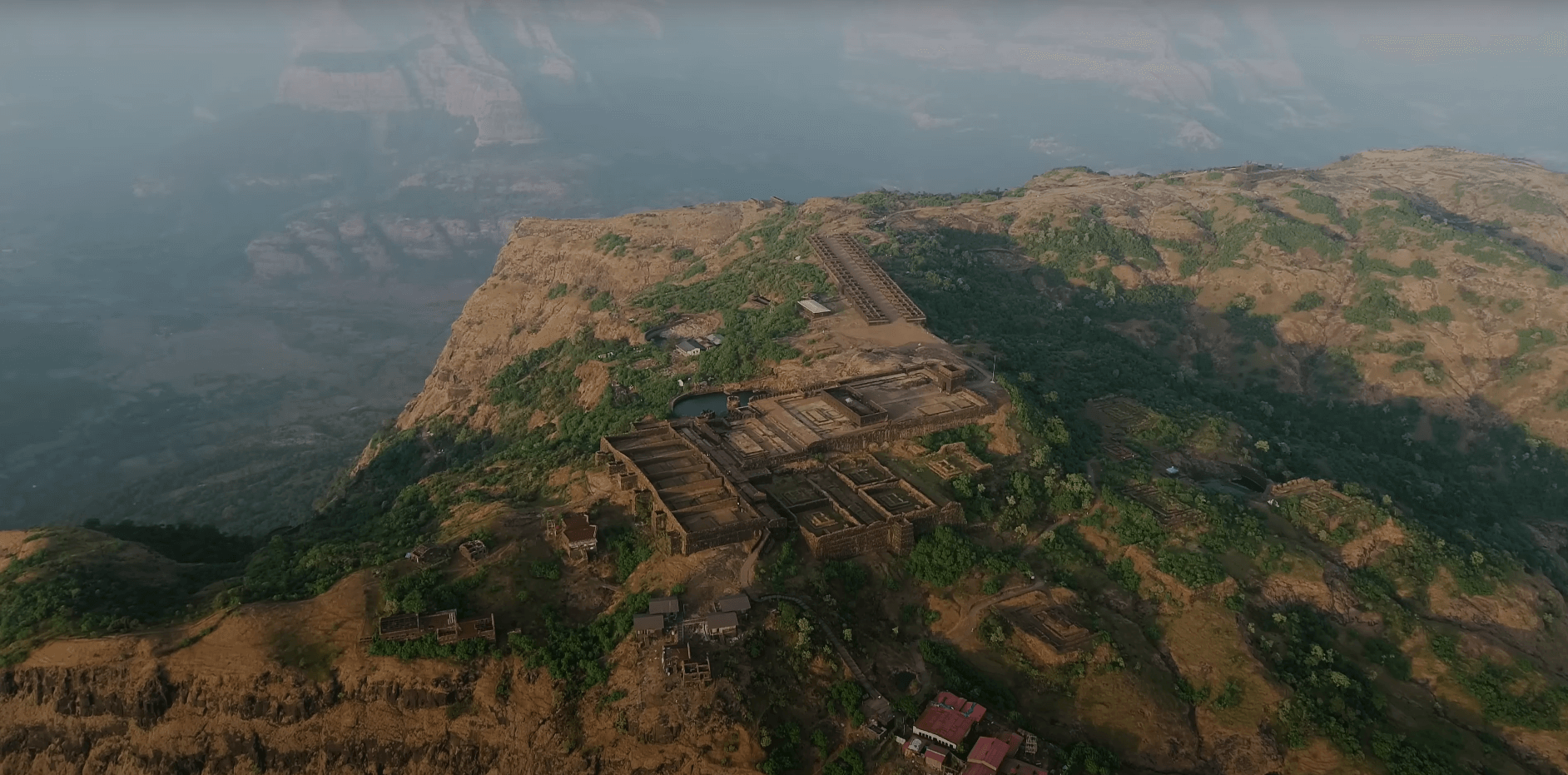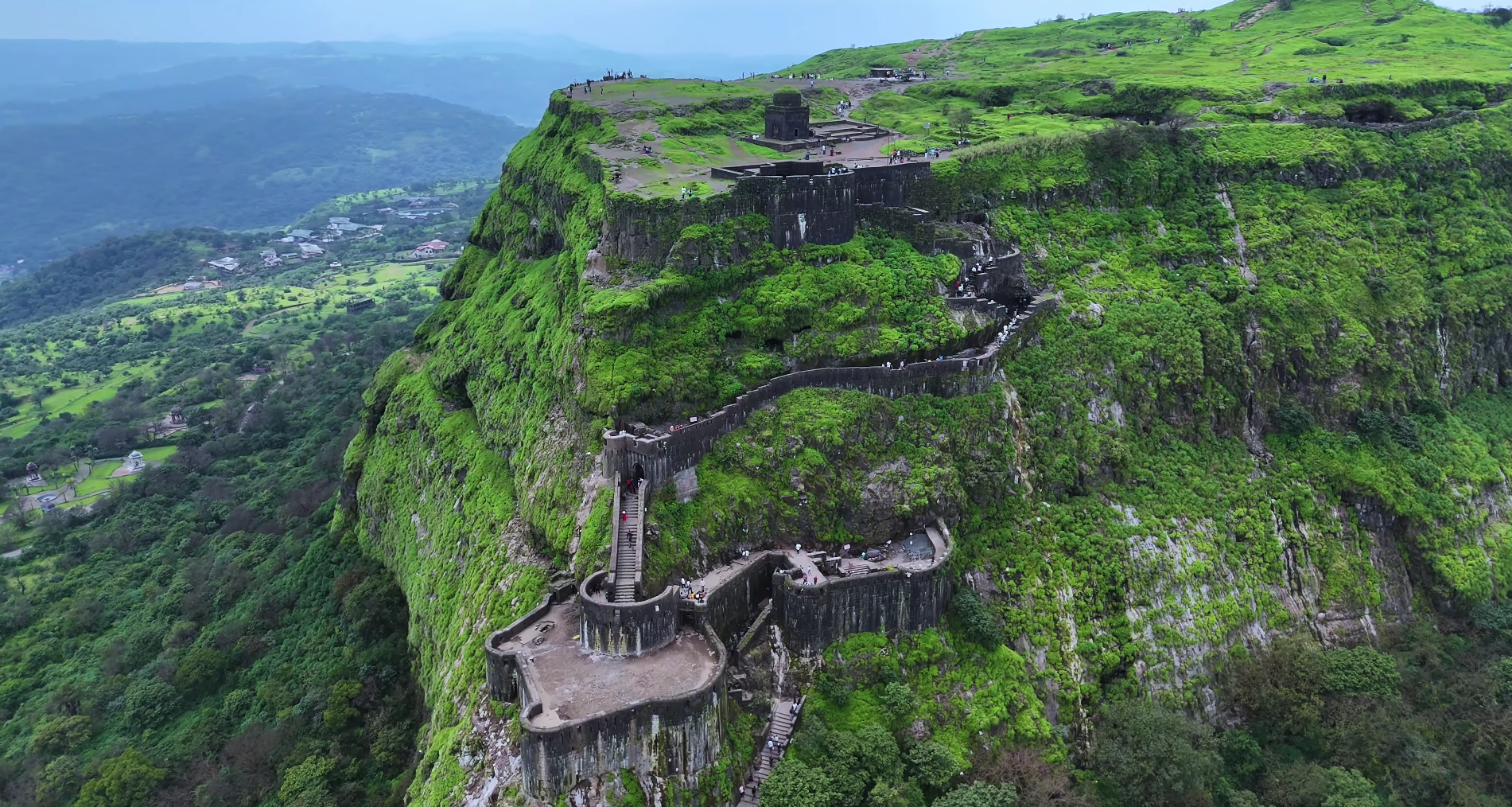
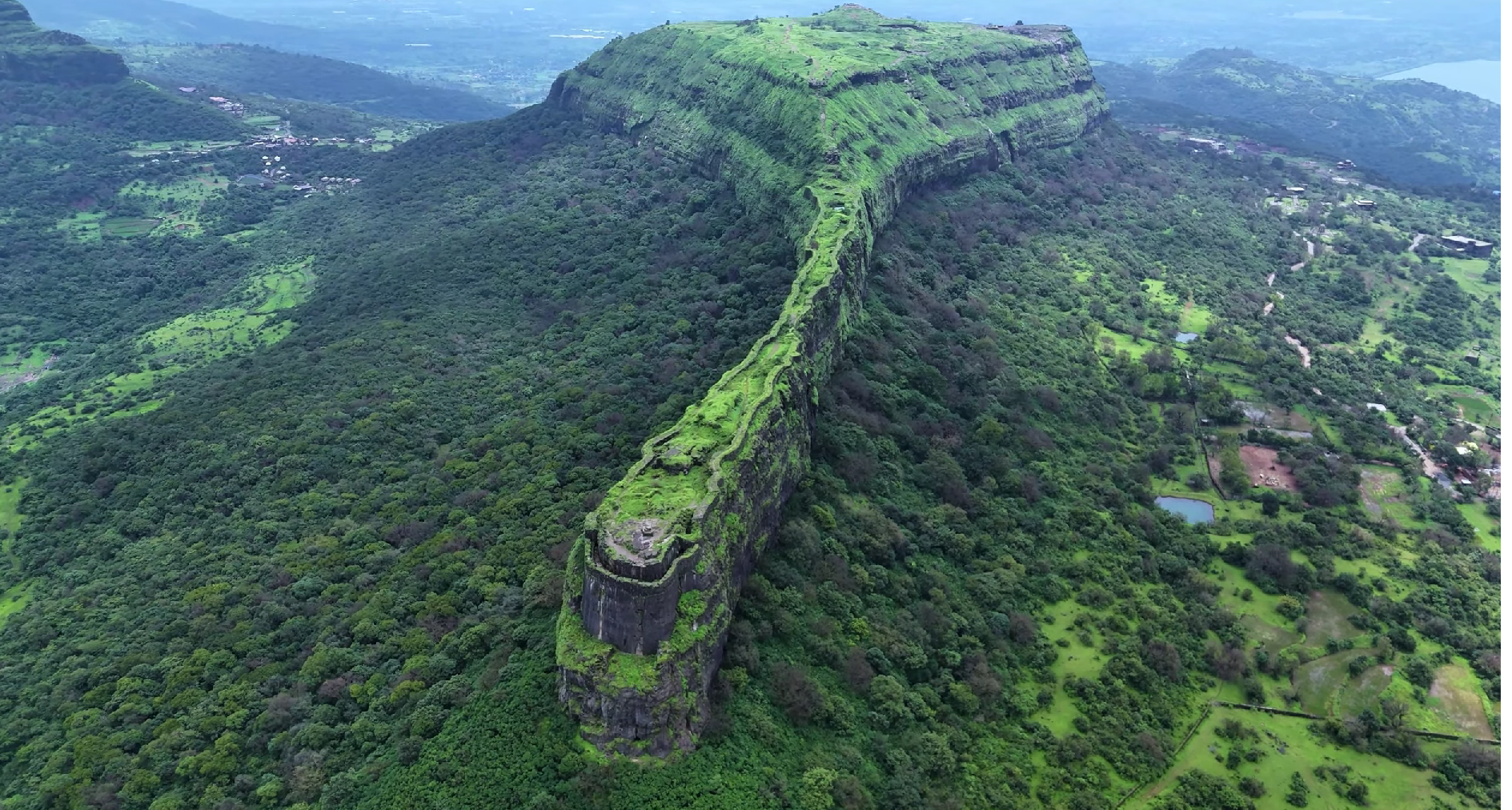
Lohgad Fort is one of the most beautiful and historically important forts located near Lonavala in Maharashtra. Sitting at a height of 1,033 meters above sea level, this ancient Maratha fortress stands on the edge of the Western Ghats mountains. The fort is known for its breathtaking views, fascinating history, and challenging trekking trails that attract adventure lovers from all over India and beyond. If you're planning to visit this historic site or want to learn more about it, this complete guide will help you understand everything about Lohgad Fort.
What You Need to Know About Lohgad Fort
Location and How Far It Is
Lohgad Fort is located near the town of Lonavala, which is about 60 kilometers from Pune city. The fort sits at a height of 1,033 meters and is part of the Sahyadri mountain range. From Lonavala town, the fort is only about 5 to 6 kilometers away, making it easy to reach for visitors who are exploring the Lonavala-Khandala area. If you're coming from Mumbai, Lonavala is about 60 kilometers away, making it a convenient day trip for those visiting from the city.
The nearest railway station is Lonavala Station, which is well connected to both Pune and Mumbai. From the station, you can hire a taxi or auto-rickshaw to reach the base of the fort, which takes about 15 to 20 minutes. Many travelers who are visiting other popular spots in the area like Karla Caves or Bhushi Dam often include Lohgad Fort in their itinerary.
When to Visit – Best Time and Weather
The best time to visit Lohgad Fort is during the cool months from October to May. During these months, the weather is pleasant, and the skies are clear, offering excellent views from the top of the fort. Here's what each season offers:
- October to November: Early winter with cool temperature and clear visibility. Post-monsoon greenery makes the landscape beautiful.
- December to February: Winter season with the coolest weather. This is the peak trekking season with many visitors on the trails.
- March to May: Spring season with warm days. The weather is still good, though it gets hotter as May approaches.
- June to September: Monsoon season brings heavy rain and slippery trails. Visibility is limited, but the fort area turns very green and beautiful.
If you're planning to trek during monsoon, be extra careful as the stones and steps can be very slippery. The winter months, especially December and January, see the most number of visitors because the weather is perfect for trekking.
History of Lohgad Fort – Understanding Its Past
Ancient Origins and Early History
The history of Lohgad Fort goes back many centuries. The word "Lohgad" comes from two Marathi words – "Loha" meaning iron and "Gad" meaning fort. This name is believed to refer to the strong and hard nature of the fort, as it is built on solid iron-rich rock. The fort has seen many rulers and empires over the years, including various sultanates and later the Maratha Empire.
During the 17th century, Lohgad Fort became an important part of the Maratha Empire under Chhatrapati Shivaji Maharaj. The fort was used as a military stronghold and played a key role in protecting the territories of the Maratha kingdom. The strategic location of the fort on the Western Ghats made it valuable for controlling trade routes and maintaining security in the region.
Maratha Rule and Strategic Importance
Under the rule of Chhatrapati Shivaji Maharaj, Lohgad Fort became one of the important forts in the Maratha defensive system. The fort was used to store supplies and serve as a military base for operations in the region. The Marathas made several improvements to the fort's structures, including building better walls, storage areas for food and weapons, and water collection systems.
One of the most interesting stories about Lohgad Fort involves the use of monitor lizards, similar to the famous story of Sinhagad Fort. According to local history, soldiers used trained monitor lizards to climb the steep walls of the fort during night attacks. This shows how creative and clever the Maratha soldiers were in using natural resources to their advantage.
British Era and Modern Times
When the British arrived in India and took control of the region, Lohgad Fort lost its military importance. The British did not maintain the fort as a military stronghold, and over time, it became less significant. However, the fort has survived and still stands today as a reminder of the Maratha Empire's strength and power. After India became independent in 1947, the fort was recognized as an important historical site and is now protected by the Archaeological Survey of India.
Trekking to Lohgad Fort – Everything You Should Know
About the Trek – Difficulty Level and Time Needed
The trek to Lohgad Fort is considered easy to moderate in difficulty level. This means it's not too hard for beginners, but it does require some basic fitness. The trek takes about 1.5 to 2 hours to reach the top from the base, and about 1 to 1.5 hours to come down. The total distance is around 2 to 3 kilometers depending on which trail you take.
The trek is not as steep as some other forts in the area, which makes it suitable for families with children and people who are new to trekking. However, you still need to wear proper shoes and carry water because there are no shops or water sources on the trail.
The Trek Route and What to Expect
The main trek to Lohgad Fort starts from the Lonavala side. Here's what you can expect on the way up:
- First Part (0-30 minutes): The trail starts with a gentle slope through agricultural fields and small villages. You'll walk through local areas and pass by some farms.
- Middle Part (30 minutes to 1 hour): The path becomes steeper and you enter the forest area. The trail is well-marked with painted signs on rocks and trees. You'll see more vegetation and natural scenery.
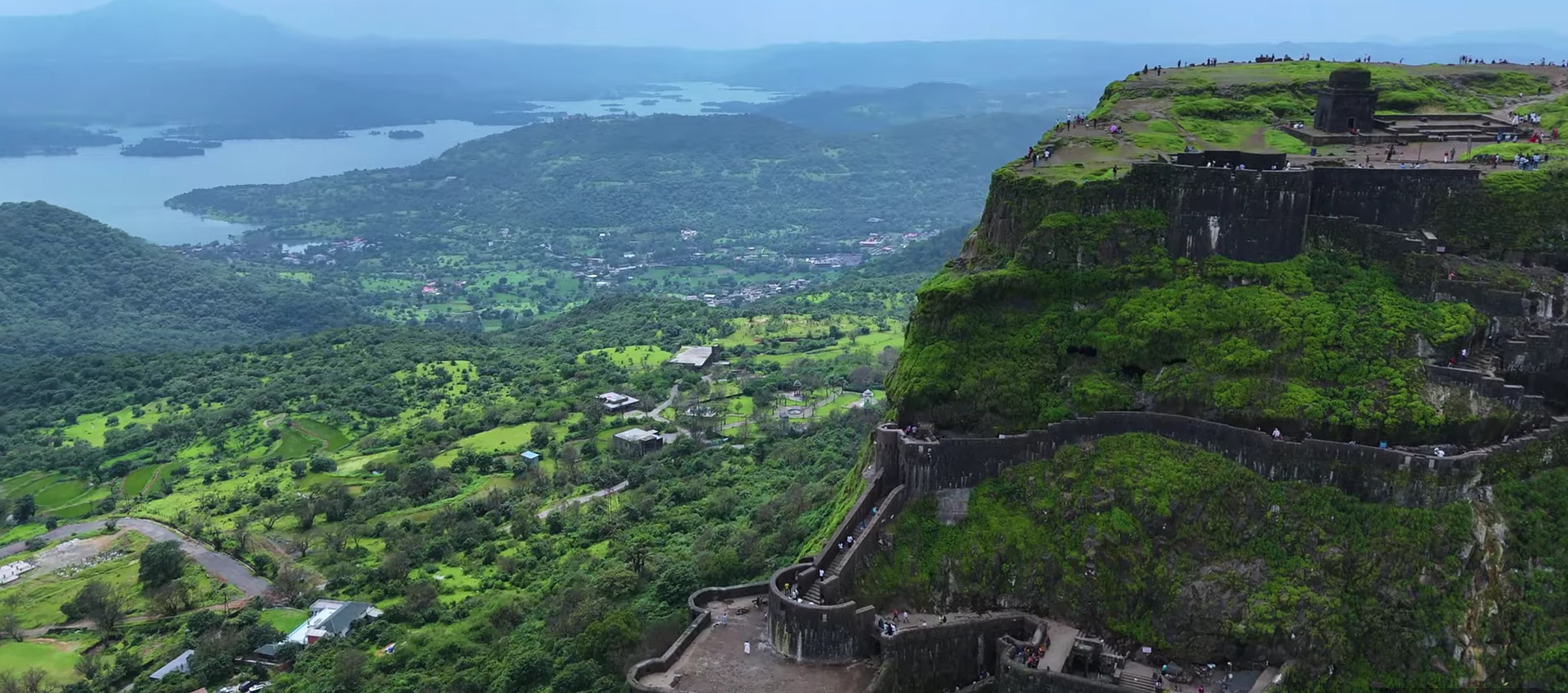
- Final Stretch (1 hour to 1.5 hours): The trail gets steeper as you approach the fort. There are several stone steps and rocky sections. In some places, there are ropes fixed to help climbers. You'll see views of the surrounding valleys starting to open up.
- Fort Area (1.5 to 2 hours): Once you reach the fort plateau, you can explore the ancient structures, walls, and enjoy 360-degree views of the Western Ghats.
What to Carry While Trekking
To have a comfortable and safe trekking experience, make sure you carry these items:
- Water: Carry at least 2 to 3 liters of water. There are no shops on the way.
- Food and Snacks: Bring energy bars, dry fruits, bananas, or other light snacks to keep your energy levels up.
- Proper Shoes: Wear good trekking shoes or sports shoes with strong grip. The rocks can be slippery, especially after rain.
- Sun Protection: Carry sunscreen, a hat, or a cap. The sun can be strong, especially on the higher sections.
- Light Jacket: Even if it's warm during the day, it can get cool in the evening, so carry a light sweater or jacket.
- First Aid Kit: A small first aid kit with basic medicines for cuts, bruises, or headache.
- Mobile Phone: Keep your phone charged with a power bank as backup.
- Camera: Bring a camera or smartphone to capture the beautiful views from the fort.
Safety Tips for Your Trek
Here are some important safety tips to keep in mind while trekking to Lohgad Fort:
- Always trek with a friend or group. Never go alone, especially on unfamiliar trails.
- Start early in the morning so you have enough daylight to complete the trek safely.
- Stay on marked trails and don't wander off into the forest.
- Be careful while climbing on steep sections and use ropes or support provided.
- Watch your step on rocky and slippery areas. Slow down and be cautious.
- Tell someone about your trekking plans before you leave, including where you're going and when you expect to return.
- Check the weather forecast before heading out. Avoid trekking during heavy rain or storms.
- If you feel tired or unwell, it's okay to turn back. There's no shame in it.
- Stay hydrated by drinking water regularly, not just when you're thirsty.
What You'll See at Lohgad Fort
The Fort's Architecture and Structures
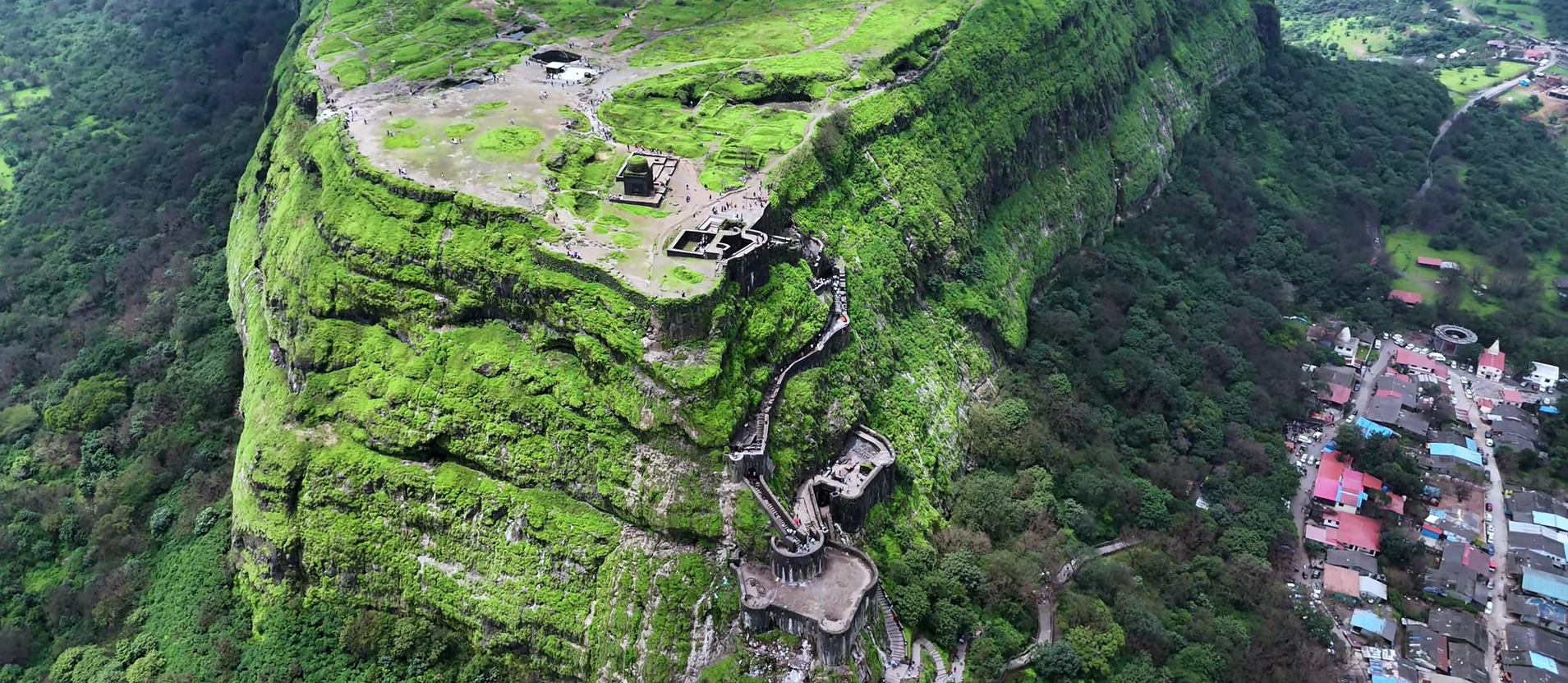
When you reach Lohgad Fort, you'll find several interesting structures that show the skill of ancient builders. The fort has old walls, bastions where cannons used to be placed, and watchtowers that were used to keep watch over the surrounding area. There are also cisterns and underground tanks that were built to store water during times when the fort was under attack.
The most impressive feature is the flat plateau area at the top of the fort where soldiers used to live and work. From here, you can see for miles in all directions. On clear days, you can see other forts and hills in the distance. The views are especially beautiful at sunrise and sunset.
Flora and Fauna Around the Fort
Lohgad Fort is surrounded by dry deciduous forests which are home to various plants and animals. During the monsoon season, the area becomes very green with lots of wildflowers blooming. You might see:
- Wild animals like sambar deer, Indian wild boar, and sometimes leopards in the forests
- Various bird species including eagles, woodpeckers, and colorful birds
- Insect life including butterflies and dragonflies
- Plant life including sal trees, teak, and various medicinal plants
The best time to see birds and animals is early morning when they are most active. If you're a nature lover, the trek to Lohgad Fort offers great opportunities for wildlife photography and birdwatching.
Nearby Attractions – Other Things to See
Visapur Fort
Visapur Fort is located very close to Lohgad Fort, just about 2 to 3 kilometers away. Many visitors trek to both forts on the same day as they are quite close to each other. The trek from Lohgad Fort to Visapur Fort through the connecting ridge is a popular route. Visapur Fort is smaller than Lohgad but offers its own charm and history. The two forts together make for an interesting day-long trekking experience.
Karla Caves
The Karla Caves are ancient Buddhist cave temples located near Lonavala, only about 10 kilometers from Lohgad Fort. These caves date back to the 2nd century and are a great example of ancient rock-cut architecture. If you're interested in history and architecture, visiting the Karla Caves along with Lohgad Fort makes for a complete day trip in the Lonavala area.
Bhushi Dam
Bhushi Dam is a popular spot near Lonavala where the Indrayani River has been dammed to create a beautiful lake-like area. During monsoon, this becomes a wonderful spot for picnics and swimming. The dam is only about 8 kilometers from Lohgad Fort, so you can easily visit both on the same day.
Lonavala Lake (Lonavala Talao)
This small lake in the middle of Lonavala town is surrounded by mountains and offers nice views. It's a quiet place for a short walk and is only about 5 kilometers from Lohgad Fort.
Practical Information for Visiting Lohgad Fort
Opening Hours and Entry Fee
Lohgad Fort is open to visitors throughout the year, 24 hours a day. There is no entry fee for visiting the fort. However, you should be aware of some rules to help preserve this historical site:
- Do not make loud noise or play loud music. This is a place of historical importance.
- Do not litter. Take all your trash with you when you leave.
- Do not make fires or cook on the fort.
- Do not throw stones or damage any structures.
- Respect the religious significance of the site and behave appropriately.
How to Reach Lohgad Fort
Here are different ways you can reach Lohgad Fort:
- By Road: The closest point you can reach by road is the base of the fort near Lonavala. From Pune, it's about 60 kilometers, which takes about 1.5 to 2 hours by car. From Mumbai, it's about 60 kilometers and takes about 1.5 hours.
- By Train: Lonavala has a railway station with regular trains from both Pune and Mumbai. From the station, you can hire a taxi or auto to reach the base of the fort.
- By Bus: Regular buses run from Pune and Mumbai to Lonavala. From the bus station in Lonavala, you can hire a taxi to reach the fort base.
Where to Stay
Lonavala has many hotels and guesthouses ranging from budget to luxury options. You can stay in Lonavala town and trek to Lohgad Fort during the day. Some popular accommodation options include:
- Budget hotels and hostels for backpackers
- Mid-range hotels with good facilities
- Luxury resorts for those looking for comfort
- Homestays and guesthouses for a local experience
Many visitors prefer to come as a day trip from Pune or Mumbai rather than staying overnight, as Lonavala is well connected to both cities.
Food and Dining Options
Lonavala has many restaurants and food stalls where you can eat before or after your trek. The town is famous for its local snacks, especially the Lonavala chikhalwali candy and other local sweets. You can find both vegetarian and non-vegetarian food options in the town. However, once you start trekking, there are no shops, so make sure to eat and carry snacks before you begin.
Tips for Planning Your Visit
- If you're planning to trek to Lohgad Fort, start early in the morning to avoid crowds and to have enough daylight.
- Visit during winter months (November to February) for the best weather and clearest views.
- Bring proper trekking gear and don't underestimate the trek based on its easy-to-moderate rating.
- If you're visiting during monsoon, be extra careful and watch for slippery surfaces.
- Combine your visit to Lohgad with nearby attractions like Visapur Fort or Karla Caves for a complete experience.
- Carry your own water and snacks as there are no shops on the trail.
- Respect the historical importance of the fort and follow the rules to help preserve it.
- Take a guide if you're not familiar with the trail, especially if it's your first time.
Conclusion
Lohgad Fort is a wonderful place to visit if you love history, adventure, and nature. The combination of rich Maratha history, exciting trekking trails, and beautiful views of the Western Ghats makes it a must-visit destination. Whether you're a beginner trekker or an experienced adventurer, whether you're interested in history or just looking for a fun day out, Lohgad Fort has something to offer everyone. The fort stands as a proud reminder of the strength and skill of the Maratha Empire, and visiting it is like stepping back in time. Plan your trip during the best season, carry the right gear, and prepare yourself for a memorable experience that you'll treasure for years to come.