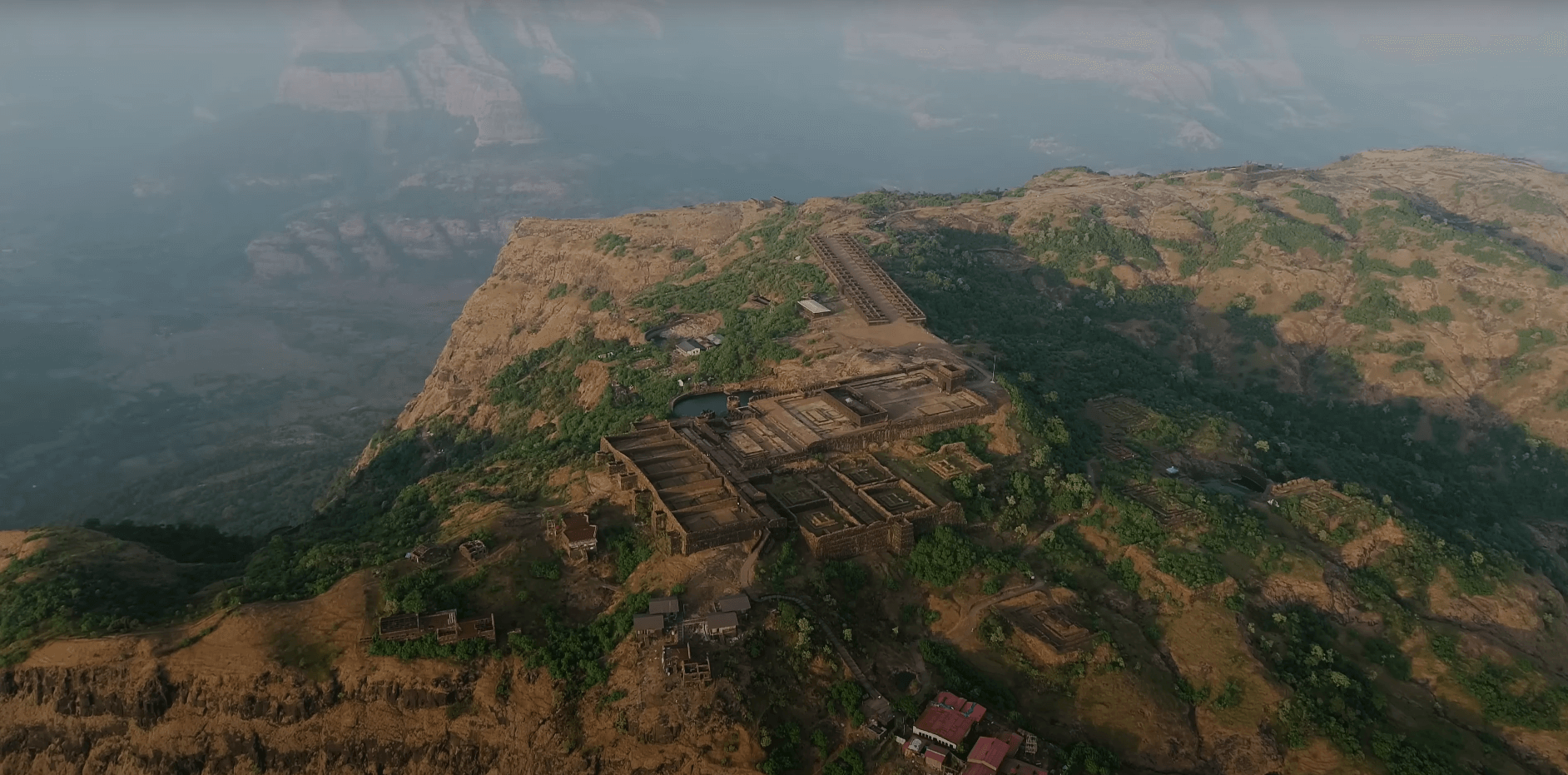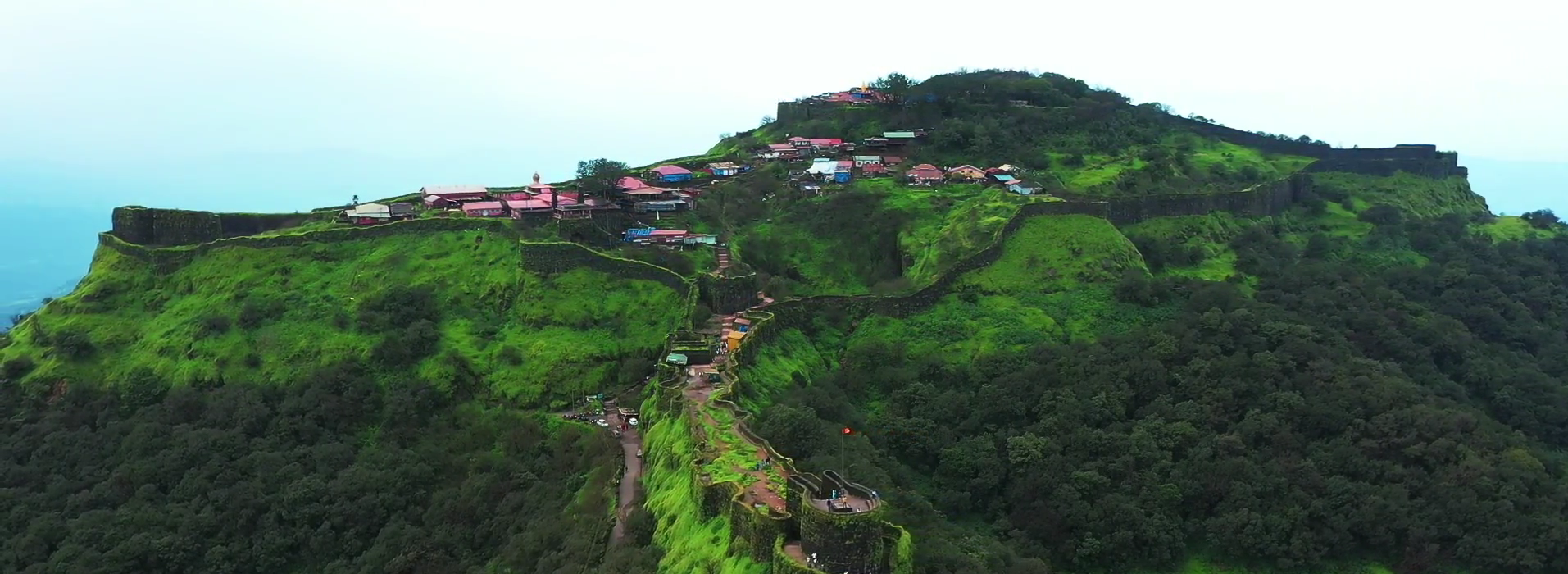
Introduction to Pratapgad Fort
Pratapgad Fort stands as one of the most historically significant hill forts in Maharashtra, immortalized as the site of Shivaji Maharaj's most legendary victory over the Bijapur general Afzal Khan on November 10, 1659. This monumental battle was a turning point in Maratha history, marking a decisive blow against the Bijapur Sultanate and establishing Shivaji's reputation as a military genius.
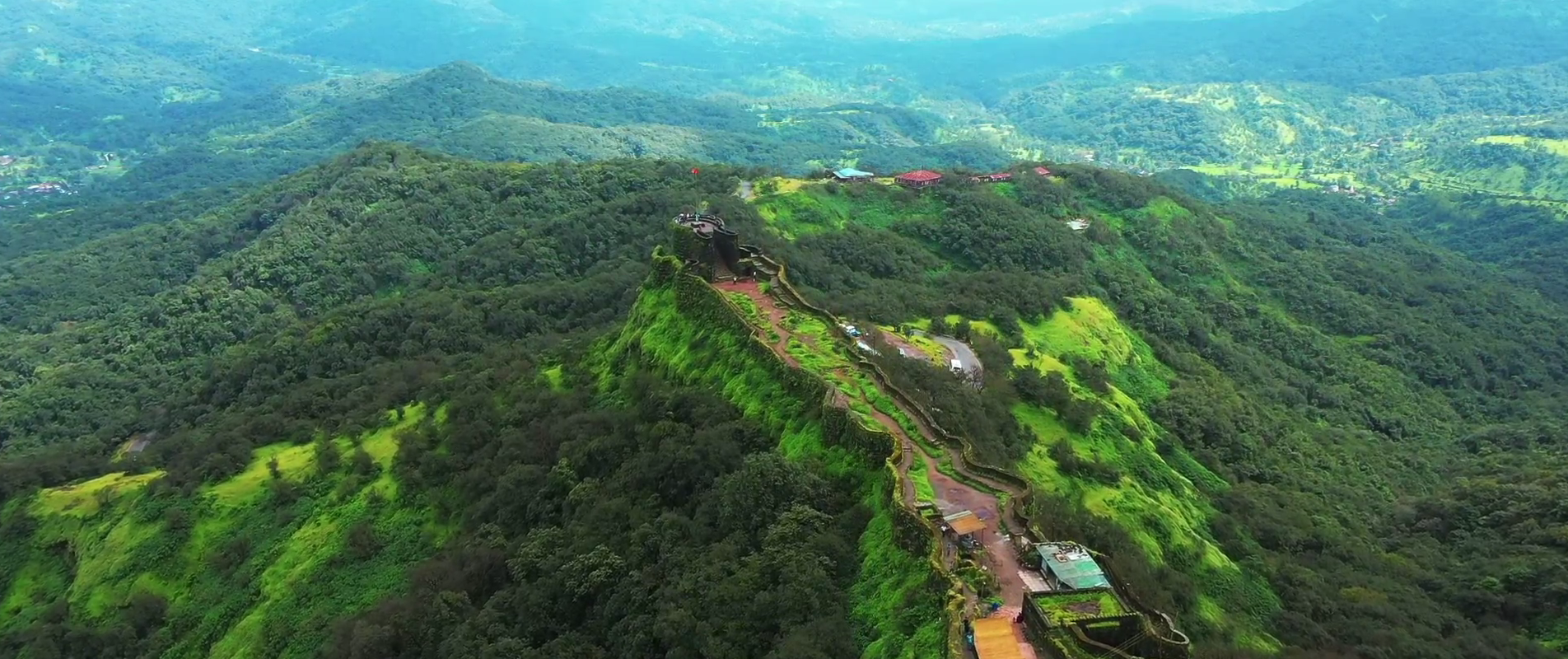
Perched at an altitude of approximately 1,080 meters (3,543 feet) above sea level in the Satara district of Maharashtra, Pratapgad Fort commands breathtaking views of the Western Ghats. Located about 30 kilometers from Satara town and 50 kilometers from Kolhapur, this fortress has become a sacred pilgrimage site for history enthusiasts and a popular trekking destination.
Historical Significance of Pratapgad Fort
Pratapgad Fort holds unparalleled significance in Maratha and Indian military history. Built initially by the Bahmani Sultanate and later fortified by various rulers, the fort became intimately associated with one of the most dramatic military encounters of the medieval era.
The Battle of Pratapgad - November 10, 1659
The battle between Shivaji Maharaj and Afzal Khan remains one of the most celebrated and strategically brilliant military victories in Indian history. Here's the historic narrative:
Background of the Conflict
By 1659, Shivaji Maharaj had established himself as a formidable military power in the region, creating an independent Maratha state and challenging the authority of the Bijapur Sultanate. The Sultan of Bijapur, alarmed by Shivaji's growing influence and territorial expansion, sent his most powerful general, Afzal Khan, with a massive army to crush the young Maratha leader.
Afzal Khan's Campaign
- Large Army Mobilization: Afzal Khan commanded a formidable force of approximately 50,000 soldiers with superior weaponry and cavalry
- Military Reputation: Afzal Khan was considered one of the Bijapur Sultanate's most capable generals with a fearsome military record
- Political Message: The campaign was designed to demonstrate Bijapur's military supremacy and suppress Maratha independence
- Initial Advantage: With superior numbers and resources, Afzal Khan advanced toward Maratha territories confidently
Shivaji's Strategic Brilliance
Rather than face Afzal Khan's larger army in an open battlefield, Shivaji employed brilliant military strategy:
- Fortified Position: He chose Pratapgad Fort as the battleground, utilizing terrain advantages and fortifications
- Psychological Warfare: Sent diplomatic messages to lure Afzal Khan into a meeting at the fort
- Careful Preparation: Positioned his troops strategically around the fort to ambush the larger enemy force
- Personal Combat: Arranged a personal duel with Afzal Khan within the fort, employing unconventional tactics
Aftermath and Historical Impact
- Bijapur Defeat: The Bijapur Sultanate's army was decisively defeated, with heavy casualties and loss of war materials
- Shivaji's Ascendancy: The victory established Shivaji as the supreme military commander of the region
- Maratha Expansion: Following this victory, Shivaji rapidly expanded Maratha territories and consolidated his kingdom
- Psychological Momentum: The victory inspired Maratha warriors and demonstrated that the Sultanates could be defeated through superior strategy
- Path to Coronation: This triumph led directly to Shivaji's formal coronation in 1674, establishing the Maratha Empire
Architectural Features and Design
Pratapgad Fort showcases impressive medieval military architecture, combining defensive innovation with strategic positioning. The fort's design reflects the needs of both offensive warfare and prolonged defense.
| Architectural Feature | Description |
|---|---|
| Stone Walls & Ramparts | Massive fortifications with strategic angles engineered to withstand siege warfare and cavalry charges |
| Multiple Bastions | Defensive structures positioned to provide overlapping fields of fire and mutual protection |
| Main Gate (Darwaza) | Fortified entrance with narrow passages designed to slow down attacking forces and control entry |
| Watchtowers | Strategically placed observation points for surveillance of surrounding valleys and approach routes |
| Water Cisterns & Tanks | Rock-cut reservoirs for water storage ensuring self-sufficiency during prolonged sieges |
| Granaries | Storage facilities for grain and provisions sustaining troops during military operations |
| Command Center | Central fortified area where military decisions were made and coordinated |
| Cavalry Grounds | Open areas within the fort for training and deployment of mounted warriors |
Key Attractions at Pratapgad Fort
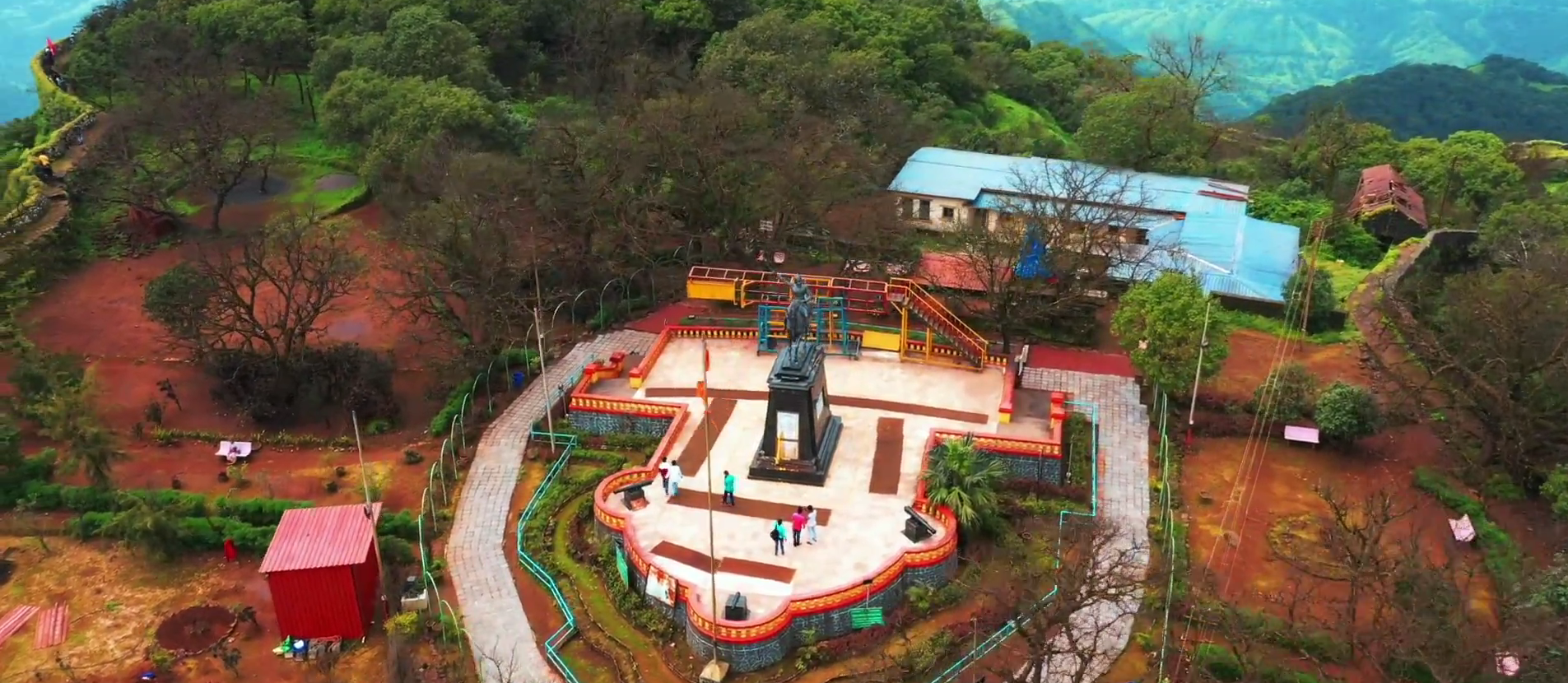
The fort encompasses numerous historically and architecturally significant locations that attract visitors from across the world.
Shivaji Maharaj's Meeting Point
The legendary location where Shivaji Maharaj met with Afzal Khan is marked within the fort. This sacred spot serves as a reminder of the tactical brilliance and personal valor that defined Shivaji's military career.
The Afzal Khan Grave
A memorial marking the spot where the Bijapur general fell in combat. Interestingly, Shivaji honored Afzal Khan's remains with proper burial rites according to Islamic traditions, demonstrating his respect for military opponents and cultural sensitivity despite victory.
Central Courtyard
The spacious open area within the fort served as the military parade ground and venue for important assemblies. From here, Shivaji would have coordinated his military operations and commanded his forces.
Temple Structures
The fort houses several small temples dedicated to Hindu deities, reflecting the spiritual devotion that accompanied Shivaji's military campaigns. These temples were centers of spiritual inspiration for the warriors.
Watchtowers and Defensive Positions
The strategic watchtowers offer panoramic views of the surrounding valleys and neighboring forts. From these vantage points, Maratha sentries would have maintained constant vigilance against enemy movements.
Ammunition Depots
Remains of storage areas where weapons, cannons, and ammunition were kept. These strategic storage points were crucial for sustained military operations and siege defense.
Location and Accessibility
Pratapgad Fort's strategic location in the Satara district makes it accessible from various parts of Maharashtra and neighboring regions.
Distance from Major Cities
- From Satara: Approximately 30 kilometers (1.5 hours by road)
- From Kolhapur: Approximately 50 kilometers (2.5 hours by road)
- From Pune: Approximately 120 kilometers (3-4 hours by road)
- From Mumbai: Approximately 400 kilometers (7-8 hours by road)
How to Reach
- By Road: Well-connected via NH48 and state highways; regular bus services available from Satara and Kolhapur
- By Rail: Nearest railway station is Satara Junction (30 km away) with connections to major cities
- By Air: Nearest airport is Pune International Airport (120 km away)
- Vehicle Hire: Taxis and car rental services available from nearby towns
Trekking Experience to Pratapgad Fort
Pratapgad has become one of Maharashtra's most popular trekking destinations, attracting thousands of adventure seekers and history enthusiasts annually. The trek combines moderate physical challenge with rich historical immersion.
Trek Route and Difficulty Level
The trek to Pratapgad is classified as moderately challenging, suitable for individuals with basic to intermediate fitness levels. The journey typically features:
- Steep Ascents: Winding mountain paths with significant elevation gain through forested terrain
- Rock-Cut Steps: Ancient staircases carved into the hillside by medieval craftsmen
- Dense Forest Cover: Lush greenery of the Western Ghats ecosystem with diverse flora and fauna
- Open Ridges: Sections with panoramic valley views and breathtaking mountain scenery
- Duration: Approximately 3-4 hours for the complete trek round trip from the base village
- Elevation Gain: Approximately 500-600 meters vertical ascent from the starting point
Trek Highlights and Attractions
The trekking experience to Pratapgad offers multiple points of historical and natural interest:
- Historical Narrative: Each section of the trek reveals different aspects of the fort's military architecture and defensive strategy
- Battle Site Visualization: Standing at key vantage points helps trekkers understand how Shivaji positioned his forces for victory
- Afzal Khan Memorial: Pay respects at the site where the legendary battle reached its climactic conclusion
- 360-Degree Views: From the fort's summit, witness panoramic vistas of multiple neighboring forts and valleys
- Sunrise Trek: Many adventurers start before dawn to witness a spectacular sunrise from the fort's highest point
- Sunset Experience: Late afternoon treks reward trekkers with golden hour photography opportunities
- Flora Diversity: Encounter rare and endemic plant species of the Western Ghats during the trek
- Wildlife Encounters: Opportunities to spot various bird species and small mammals native to the region
Best Season for Trekking
- October to February: Ideal season with cool temperatures, clear skies, and optimal visibility
- June to September: Monsoon season offers lush landscapes but wet, slippery conditions and safety concerns
- March to May: Hot summer months; trek early morning to avoid extreme heat and sun exposure
Travel Tips for Visiting Pratapgad Fort
To ensure a safe, comfortable, and enriching experience at Pratapgad, consider these comprehensive recommendations:
Physical Preparation
- Fitness Level: The trek requires moderate fitness; practice short hikes before attempting this trek
- Cardiovascular Endurance: Build stamina through regular walking and stair climbing exercises
- Flexibility Training: Practice stretching to improve mobility and reduce muscle soreness
- Medical Check-up: Consult a doctor if you have any pre-existing health conditions
What to Carry
- Sturdy Trekking Shoes: Wear well-broken-in hiking boots with good grip for rocky and steep paths
- Water Supply: Carry 2-3 liters of water; hydration is critical for mountain trekking
- Energy Snacks: Pack dry fruits, energy bars, nuts, and fruits for sustained energy
- Sun Protection: Apply sunscreen, wear hat, cap, and sunglasses for extended UV exposure
- Rain Gear: Carry a lightweight raincoat or poncho for sudden weather changes
- First Aid Kit: Include basic medical supplies for minor injuries and emergencies
- Camera & Phone: Bring devices with sufficient battery for capturing memories and emergencies
- Light Clothing: Wear moisture-wicking clothes; avoid cotton as it retains sweat
- Extra Layers: Mountain temperatures drop significantly; bring a light jacket or sweater
- Headlamp/Torch: Essential if trekking during early morning or evening hours
- Portable Charger: Keep electronic devices charged throughout the trek
Important Recommendations
- Hire a Local Guide: Essential for understanding historical context, navigating complex routes, and ensuring safety
- Start Early: Begin trek at dawn to reach the fort by mid-morning with ample daylight remaining
- Pace Management: Trek at a comfortable pace; rushing leads to fatigue and injuries
- Weather Monitoring: Check weather forecasts; avoid trekking during heavy rains or thunderstorms
- Group Trekking: Joining organized group treks provides safety, guidance, and social experience
- Respect for Heritage: Don't damage fort structures, remove artifacts, or disrespect historical sites
- Waste Management: Practice "Leave No Trace" principles; carry all waste back down the mountain
- Altitude Awareness: Allow time to acclimatize to the altitude before exerting yourself
- Emergency Contact: Inform someone about your trekking plans and expected return time
- Local Customs: Respect local traditions and interact respectfully with local communities
Nearby Attractions Worth Exploring
The region surrounding Pratapgad Fort offers numerous attractions that complement a comprehensive historical and natural experience. Here are some must-visit destinations:
Vishalgad Fort
Located approximately 25 kilometers from Pratapgad, Vishalgad Fort is another significant Maratha stronghold with its own fascinating history. The fort offers panoramic valley views and serves as an excellent day trip destination.
Panhala Fort
Situated about 35 kilometers away, Panhala Fort is one of Maharashtra's largest forts with a rich military history. The expansive fort complex features multiple gates, temples, and offers stunning views of the surrounding plateau region.
Mahabaleshwar Hill Station
Approximately 40 kilometers from Pratapgad, this scenic hill station is famous for its natural beauty, strawberry farms, and adventure activities. It serves as an excellent extension to a Pratapgad visit for relaxation and nature appreciation.
Wai Town
Located about 20 kilometers away, the historic town of Wai features:
- Ancient temples reflecting Hindu architecture
- Scenic riverside location along the Krishna River
- Traditional local bazaars and handicraft shops
- Cultural heritage sites connected to Maratha and Mughal eras
Satara City and Museums
The district headquarters of Satara, located approximately 30 kilometers away, offers:
- Satara Museum: Exhibits depicting regional history and Maratha artifacts
- Ajinkyatara Fort: Historic fort within the city with royal significance
- Local Markets: Traditional shopping and authentic regional cuisine
Other Nearby Forts
- Koraigad Fort: About 45 km away, featuring steep trek and panoramic views
- Sajjangad Fort: Approximately 30 km away, associated with saint Samarth Ramdas
- Vardhangad Fort: Around 40 km distant, with scenic mountain panoramas
Maratha Military History and Pratapgad Fort
Pratapgad Fort's historical significance extends far beyond a single military encounter. It represents a pivotal moment in the broader narrative of Maratha ascendancy and regional power dynamics.
Strategic Military Innovation
The Battle of Pratapgad demonstrated revolutionary military thinking:
- Unconventional Tactics: Shivaji's approach defied traditional large-scale battlefield engagements
- Terrain Exploitation: Maximized geographical advantages over superior numerical forces
- Psychological Warfare: Used diplomacy and deception as effective military tools
- Rapid Mobility: Maratha forces demonstrated superior movement and coordination
Impact on Regional Politics
The victory fundamentally altered regional political dynamics:
- Power Shift: Transferred military initiative from Bijapur Sultanate to emerging Maratha power
- European Recognition: Caught the attention of European trading companies operating in India
- Recruitment Momentum: Victory attracted thousands of warriors to Maratha ranks
- Territorial Consolidation: Enabled rapid expansion and consolidation of Maratha territories
Foundation for Maratha Empire
Pratapgad's victory directly led to:
- Shivaji's formal coronation as Chhatrapati (Emperor) in 1674
- Establishment of the Maratha Empire as a major Indian power
- Creation of an administrative and military system that challenged Mughal supremacy
- Inspiration for a vast network of forts and military installations across the subcontinent
Preservation and Cultural Significance
Recognized as a site of immense historical and cultural importance, Pratapgad Fort is maintained by heritage conservation organizations and the Government of Maharashtra. The fort attracts diverse visitor categories:
- Historians and researchers studying medieval Indian military history and Maratha civilization
- Adventure trekkers seeking challenging hill climbs and natural landscape experiences
- Photographers capturing architectural heritage and scenic mountain photography
- Nature lovers exploring Western Ghats biodiversity and endemic species
- Educators and students learning about Indian heritage and Maratha cultural legacy
- Spiritual seekers connecting with sites of historical and cultural reverence
- Military strategists studying historical battle tactics and fort architecture
Local Legends and Cultural Significance
Beyond its historical importance, Pratapgad holds deep cultural and spiritual significance in Maratha consciousness and regional folklore.
Shivaji in Popular Culture
The victory at Pratapgad has been celebrated extensively in:
- Literature and Poetry: Immortalized in Marathi and Hindi literature and folk poetry
- Theatre and Cinema: Featured in numerous films and theatrical productions depicting Maratha history
- Oral Traditions: Stories passed down through generations in families across Maharashtra
- Annual Celebrations: Commemorative events and festivals celebrating Shivaji Jayanti and the victory
Religious and Spiritual Dimensions
The fort carries spiritual significance for many devotees:
- Sacred site where dharma (righteousness) triumphed over tyranny
- Place of pilgrimage for devotees of Shivaji Maharaj
- Symbol of courage, determination, and patriotic sacrifice
- Inspiration for spiritual seekers studying warrior philosophy
Photography and Visual Documentation
Pratapgad Fort offers exceptional opportunities for photography and visual documentation across multiple genres:
Landscape Photography
- Panoramic vistas of the Western Ghats mountain range
- Sunrise and sunset over neighboring valleys and forts
- Seasonal variations showcasing monsoon greenery and winter clarity
- Cloud formations and atmospheric effects unique to high altitude locations
Architectural Photography
- Stone fortifications and defensive structures
- Historical gates and entrance passages
- Water cisterns and rock-cut architectural elements
- Temple structures and religious monuments
Historical Documentation
- Preservation of fort details for archaeological records
- Documentation of deteriorating structures for conservation planning
- Creation of visual narratives connecting past and present
Monsoon Trekking at Pratapgad
While challenging, monsoon season (June-September) offers unique experiences at Pratapgad:
Advantages of Monsoon Trekking
- Lush Vegetation: Western Ghats transform into a verdant paradise with cascading waterfalls
- Fewer Crowds: Reduced number of trekkers allows for more solitary connection with nature
- Pleasant Temperatures: Cool weather makes physical exertion more comfortable
- Fresh Mountain Air: Rain-washed atmosphere provides exceptional clarity
Challenges and Precautions
- Slippery Paths: Wet rock surfaces increase slipping and falling risks
- Reduced Visibility: Cloud cover and mist can obscure trail markers and direction
- Flash Floods: Sudden heavy rains can create dangerous water flows
- Lightning Risk: Thunderstorms pose significant safety hazards at high altitudes
- Equipment Challenges: Moisture affects camera equipment and electronic devices
Monsoon Safety Recommendations
- Check weather forecasts meticulously before planning monsoon treks
- Wear waterproof trekking gear and carry additional rain protection
- Use trekking poles for better stability on slippery surfaces
- Stay informed about local weather patterns and flash flood warnings
- Trek only with experienced guides familiar with monsoon conditions
- Avoid trekking during or immediately after heavy rainfall
- Carry additional first aid supplies for monsoon-related injuries
Wildlife and Biodiversity at Pratapgad
The region surrounding Pratapgad Fort is part of the Western Ghats ecosystem, recognized as a UNESCO World Heritage Site and biodiversity hotspot.
Flora of the Region
- Deciduous Forests: Teak, sal, and bamboo forests covering the lower slopes
- Shola Forests: High-altitude grasslands and shrub vegetation
- Endemic Plant Species: Numerous plants found nowhere else in the world
- Medicinal Plants: Traditional herbs used in Ayurvedic medicine
Fauna and Wildlife
- Bird Species: Eagles, vultures, woodpeckers, and numerous migratory birds
- Mammals: Sambar deer, barking deer, wild boar, and occasionally leopards
- Reptiles: Various snake species including cobras and vipers
- Insects: Diverse butterfly and insect species throughout seasons
Conservation Efforts
The region is part of several wildlife conservation initiatives aimed at protecting the unique biodiversity of the Western Ghats ecosystem.
Best Time for Different Types of Visits
Different seasons offer distinct experiences at Pratapgad Fort:
| Season | Weather | Best For | Considerations |
|---|---|---|---|
| October-November | Pleasant, 15-25°C | Trekking, Photography | Ideal conditions, clear visibility |
| December-February | Cool, 10-20°C | Sunrise/Sunset, Hiking | Early mornings cold, excellent views |
| March-May | Hot, 25-35°C | Early Morning Treks | Start before dawn, extreme heat by noon |
| June-September | Cool, Wet, 15-25°C | Lush Landscapes, Few Crowds | High slip risk, limited visibility, safety concerns |
Visitor Information and Facilities
While Pratapgad is primarily a trekking destination without extensive modern facilities, basic amenities are available:
Facilities at the Fort
- No Permanent Structures: The fort lacks hotels, restaurants, or permanent lodging
- Base Village Amenities: Small shops and basic eateries available in nearby villages
- Water Points: Limited water sources; carrying sufficient water is essential
- Camping Facilities: Some local guides arrange camping experiences at designated areas
Accommodation Options
- Satara City: Multiple hotels and guesthouses available 30 km away
- Wai Town: Smaller town with decent accommodation 20 km away
- Mahabaleshwar: Full-fledged Mahabaleshwar hill station with extensive tourism infrastructure 40 km away
- Homestays: Local families offer homestays in nearby villages
Food and Dining
- Pack Trekking Meals: Bring sufficient snacks and energy foods
- Local Cuisine: Traditional Marathi food available in base villages
- Restaurants in Satara: Various dining options in the nearby city
- Advance Arrangements: Many trekking groups arrange packed meals
Guided Tours and Trekking Services
Multiple options are available for organized visits to Pratapgad Fort:
Professional Trekking Groups
- Established trekking companies offering guided expeditions
- Small group treks with experienced mountaineers
- Adventure tourism operators providing comprehensive packages
- Local guide associations offering personalized historical tours
What Guided Tours Include
- Professional guides with historical knowledge and safety expertise
- Planned itineraries optimizing the trekking experience
- Transportation arrangements from major towns
- Meal arrangements during the trek
- Safety equipment and emergency medical support
- Photographic opportunities at scenic locations
- Historical narration connecting military events with locations
Practical Planning Guide
For a successful Pratapgad visit, follow this comprehensive planning framework:
One Week Before Trek
- Book accommodations in nearby towns
- Arrange transportation (car rental or group trek registration)
- Check weather forecasts for the trekking dates
- Prepare and organize trekking equipment
- Conduct basic fitness assessments and light training
Day Before Trek
- Pack all trekking gear and essentials carefully
- Charge electronic devices fully
- Prepare lightweight clothing and footwear
- Hydrate well and eat nutritious food
- Get adequate sleep (8+ hours)
- Confirm transportation and guide arrangements
Day of Trek
- Start early in the morning (by 6-7 AM)
- Eat light breakfast before beginning
- Apply sunscreen and insect repellent
- Start with slow pace for warm-up
- Take regular hydration and snack breaks
- Follow guide instructions carefully
- Document trek experience through photographs
- Return before sunset (start descent by 2-3 PM)
Post-Trek Recovery
- Stretch muscles gently to prevent soreness
- Take a warm bath or shower to relax muscles
- Consume protein-rich food for muscle recovery
- Stay hydrated for 2-3 days after trekking
- Rest adequately for physical recovery
- Share trek memories and experiences with fellow trekkers
Environmental Conservation and Responsible Trekking
As visitors to this historically and ecologically precious site, trekkers have a responsibility to preserve it for future generations:
Leave No Trace Principles
- Pack Out Trash: Carry all waste materials back from the trek
- Stay on Trails: Avoid creating new paths that damage vegetation
- Minimize Campfire Impact: Use designated fire areas only
- Respect Wildlife: Observe animals from distance without interference
- Conserve Water: Use water sparingly for personal hygiene
- Avoid Noise Pollution: Keep volumes low to preserve natural soundscape
Protection of Heritage Site
- Don't remove artifacts or damage historical structures
- Avoid writing or carving on fort walls and monuments
- Respect archaeological sites and restricted areas
- Follow local guidelines and regulations
- Support local conservation initiatives financially if possible
Conclusion
Pratapgad Fort stands as a magnificent testament to human courage, military innovation, and historical significance. More than just a pile of stones and mortar, Pratapgad represents a pivotal moment when strategic brilliance and personal valor transformed the course of Indian history.
The victory of Shivaji Maharaj over Afzal Khan in 1659 remains one of the most celebrated military encounters in Indian annals, demonstrating that determination, intelligence, and courage can overcome seemingly insurmountable odds. This victory directly led to the establishment of the Maratha Empire, which became one of India's most significant powers and challenged the supremacy of the Mughal Empire.
Today, Pratapgad Fort beckons visitors and trekkers from across the world to experience its grandeur, walk through its historic passages, and stand in awe at the same vantage points where Maratha warriors once stood guard. Whether you're a history enthusiast seeking knowledge of medieval warfare, an adventure seeker testing your physical limits on challenging mountain terrain, a nature lover discovering the biodiversity of the Western Ghats, or a photographer capturing the raw beauty of mountain landscapes, Pratapgad has something profound to offer.
The trek to Pratapgad is not merely a physical journey up a mountain; it's a journey through time, a connection with the spirit of a warrior king whose vision shaped a nation, and an experience that leaves an indelible imprint on the soul of every visitor.
Visit Pratapgad Fort and immerse yourself in the legendary history of Maratha valor and strategic brilliance! 🏰⚔️