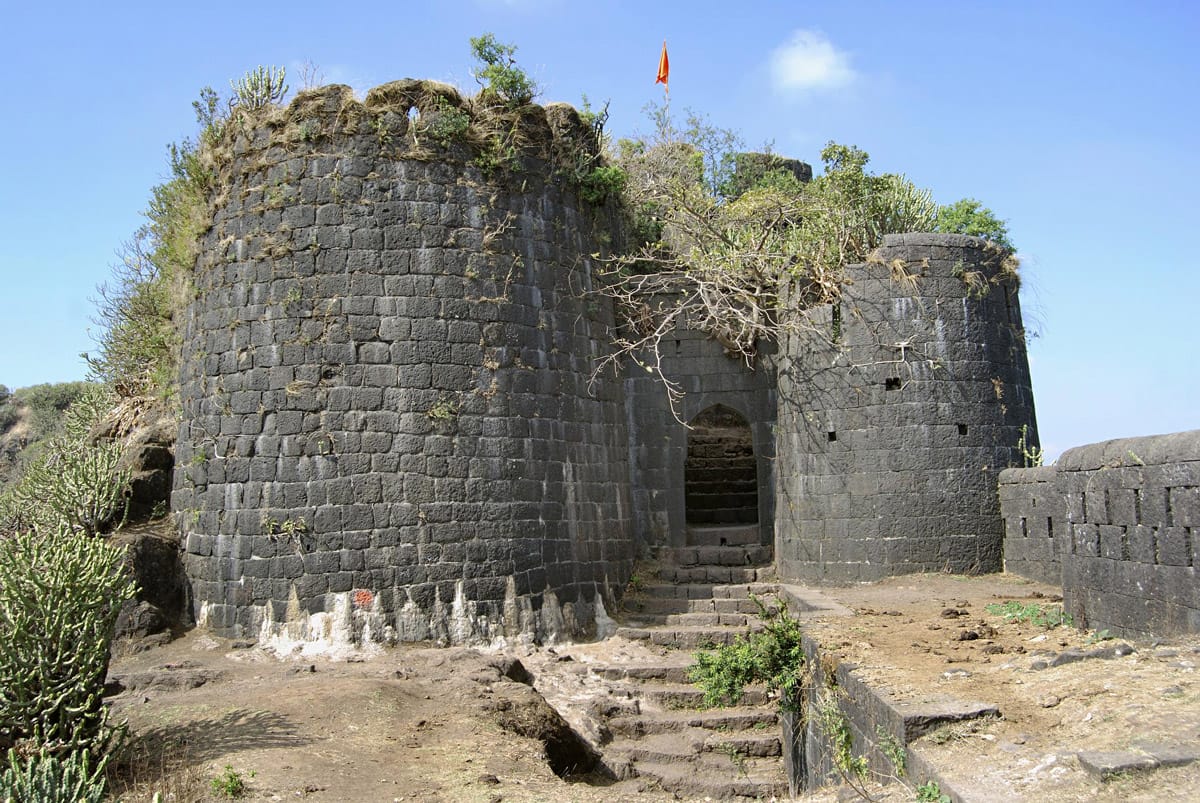
Purandar Fort is one of the oldest and most historically important forts in Maharashtra. Located near Pune, this ancient fortress has played a crucial role in Indian history, especially during the Maratha period. The fort is best known as the place where the famous Treaty of Purandar was signed in 1665 between Chhatrapati Shivaji Maharaj and the Mughal Empire. Today, Purandar Fort stands as a reminder of the brave warriors and strategic thinking that shaped the history of our nation. If you're interested in history or looking for an exciting trekking adventure, this complete guide will help you plan the perfect visit to Purandar Fort.
Understanding Purandar Fort – The Basics
Location and How to Reach It
Purandar Fort is located in the Haveli village area, which is about 50 to 55 kilometers south of Pune city. The fort sits at a height of 1,421 meters above sea level, making it one of the highest forts in the region. The nearest town to Purandar Fort is Indapur, which is about 20 kilometers away. From Pune city, it takes about 1.5 to 2 hours to reach the base of the fort by road.
You can reach Purandar Fort by car or bus from Pune. The road passes through several small villages and agricultural areas. From Pune, you can take the road towards Bangalore and then turn towards Indapur. Once you reach the village of Haveli, you'll find local guides and marked paths to the fort base. If you're using public transport, you can take a bus from Pune to Indapur and then hire a taxi or local transport to reach the fort base.
Best Time to Visit
The best time to visit Purandar Fort is from October to May when the weather is cool and pleasant. During these months, the sky is clear, and you can see the surrounding landscape clearly. Here's a quick guide to different seasons:
- October to November: Early winter with cool weather and post-monsoon greenery. Perfect for trekking with excellent visibility.
- December to February: Winter season with the coolest temperatures. This is peak trekking season with most visitors during weekends.
- March to May: Spring turning to summer. Still good for trekking but gets warmer. May can be quite hot.
- June to September: Monsoon season with heavy rain and slippery trails. The landscape is very green, but trekking can be challenging.
If you decide to trek during monsoon, be extra careful and wear shoes with good grip. The best experience is usually during winter months when the weather is perfect for outdoor activities.
The Rich History of Purandar Fort
Ancient Origins and Early Period
Purandar Fort has a history that goes back over 2,000 years. The fort was built during ancient times and has seen many rulers and empires come and go. Over the centuries, it was ruled by various dynasties including the Bahmani Sultanate, the Adil Shahi dynasty of Bijapur, and others. Each ruler recognized the importance of this fort due to its strong position on the hills and its strategic location for controlling the surrounding regions.
The name "Purandar" is believed to come from an old Marathi word meaning "fort with holes" or "pierced fort," possibly referring to the many defensive structures and openings in the fort's walls. Throughout its long history, the fort has been modified and improved by different rulers to make it stronger and more difficult to attack.
The Famous Treaty of Purandar – 1665
The most important event in Purandar Fort's history is the signing of the Treaty of Purandar on June 23, 1665. This is the event that makes this fort so historically significant. The treaty was signed between Chhatrapati Shivaji Maharaj, the founder of the Maratha Empire, and the Mughal Empire, represented by Raja Jai Singh.
In the 1660s, Shivaji Maharaj was fighting to expand the Maratha kingdom and establish independence from the Mughal Empire. However, the Mughal Empire was very powerful and had a much larger army. After several battles and faced with the Mughal's superior military strength, Shivaji Maharaj decided to negotiate. The Treaty of Purandar was the result of these peace talks.
According to the treaty, Shivaji Maharaj agreed to give away some of his territories to the Mughals and pay tribute in exchange for peace and the right to keep other territories. While this treaty might seem like a defeat, it was actually a smart political move. It gave Shivaji Maharaj time to reorganize his forces and build his kingdom stronger. After some years, when he felt ready, he broke this treaty and continued his fight for independence. This shows how Shivaji Maharaj was not just a warrior but also a clever politician who understood when to fight and when to make peace.
Maratha Period and Later History
After the treaty, Purandar Fort continued to be an important military stronghold for the Maratha Empire. The Marathas made many improvements to the fort's structures to make it stronger and more suitable for their defense needs. The fort became a symbol of Maratha power and was used as an important military base.
When the British arrived in India, they captured this fort along with many other Maratha forts. The British recognized its strategic value and used it as a military outpost. However, as time passed and India moved towards independence, the fort lost its military importance. After India became independent in 1947, the fort was recognized as an important historical site and is now protected by the government and maintained by the Archaeological Survey of India.
Trekking to Purandar Fort – Your Complete Guide
About the Trek – Difficulty and Duration
The trek to Purandar Fort is considered moderate in difficulty. This means it's more challenging than an easy trek but not as hard as advanced treks to higher mountains. If you have some basic fitness and have done a few treks before, you should be able to complete this trek comfortably. The trek takes about 2 to 2.5 hours to reach the top from the base, and about 1.5 to 2 hours for the descent. The total distance is around 3 to 4 kilometers.
The trek requires a good level of fitness because there are long stretches of steep climbing. However, the views and the historical importance of reaching the fort make the effort worthwhile. If you're a beginner trekker, you can take it slow and take breaks whenever you need to.
The Trek Route – Step by Step
Here's what you can expect as you trek up Purandar Fort:
- Starting Point to 30 minutes: The trek begins from the village of Haveli. The initial path is relatively gentle and goes through local areas and farms. You'll pass by some small houses and agricultural land. The trail is clear and marked.
- 30 minutes to 1 hour: The path enters the forest area and becomes steeper. You'll start seeing trees and natural vegetation. There are some rocky sections here. The steepness increases gradually, and you can feel the elevation gain.
- 1 hour to 1.5 hours: This is the challenging middle section of the trek. The path becomes very steep with continuous climbing. There are stones and natural rocky steps. In some areas, you might need to use ropes for support. Your legs will feel the effort here, and you'll need to take regular breaks to catch your breath.
- 1.5 to 2 hours: As you get closer to the fort, the slope becomes slightly less steep. The vegetation becomes thinner as you gain height. You start getting views of the surrounding landscape below you.
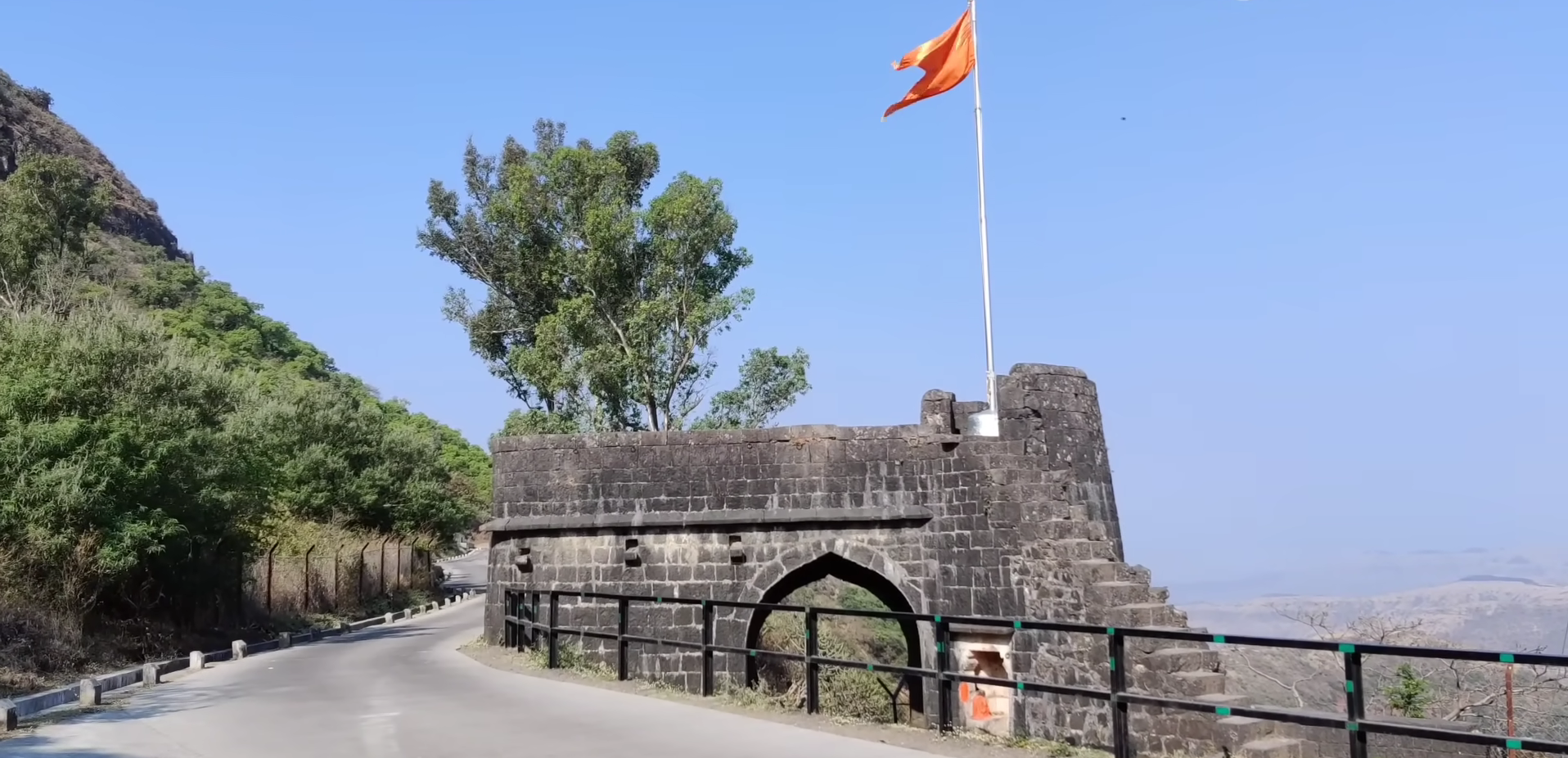
- 2 to 2.5 hours: You finally reach the fort plateau. The main fort area opens up before you with its ancient structures, walls, and towers. From here, you have wonderful 360-degree views of the surrounding plains and distant hills.
What to Pack for the Trek
Make sure you carry these items to have a safe and comfortable trekking experience:
- Water: Carry at least 2.5 to 3 liters of water as this is a longer trek with no water sources on the way.
- Food and Energy: Bring energy bars, nuts, dried fruits, bananas, and other light snacks to keep your energy up.
- Good Shoes: Wear proper trekking shoes with strong grip. The rocks can be very slippery, especially after rain.
- Comfortable Clothes: Wear light, breathable clothes. Avoid cotton if possible and choose quick-drying materials.
- Sun Protection: Bring sunscreen, a hat or cap, and sunglasses. The sun can be very strong at higher elevations.
- Jacket: Even if it's warm during the day, it gets cooler at higher elevations and in the evening. Carry a light jacket or sweater.
- First Aid Kit: Pack a small first aid kit with basic medicines for cuts, bruises, pain relief, and any personal medicines you might need.
- Mobile Phone: Keep your phone charged. It's good for emergencies and also for taking photos of the beautiful views.
- Power Bank: A backup power source for your phone.
- Small Towel: Useful for wiping sweat and drying your face.
Important Safety Tips
While trekking to Purandar Fort, keep these safety points in mind:
- Never trek alone. Always go with at least one friend or join a trekking group.
- Start your trek early in the morning, ideally between 6 AM and 7 AM, so you have plenty of daylight to complete the trek.
- Always stay on marked trails. Don't wander off the path to explore on your own.
- Wear proper shoes with good grip. Slipping and falling is the most common accident on treks.
- Be careful on steep sections. Use ropes where they're provided and move slowly and carefully.
- Drink water regularly even if you don't feel very thirsty. Staying hydrated is important.
- Tell someone reliable about your trek plans – where you're going, with whom, and when you expect to return.
- Check the weather forecast before you go. Don't trek in heavy rain or bad weather.
- If you feel unwell or too tired, it's okay to turn back. Don't push yourself too hard.
- Help other trekkers if they need assistance. The trekking community is usually very helpful.
- Don't litter on the trail. Take all your waste back with you.
What You'll See at Purandar Fort
The Fort's Structures and Features
When you reach the top of Purandar Fort, you'll find several interesting structures that show the craftsmanship of ancient builders. The fort has strong defensive walls made of stone that once protected the soldiers inside. You'll see the remains of watchtowers where guards used to keep watch for enemies approaching from below. There are also bastion areas where cannons and other weapons were placed.
One of the most striking features is the large plateau area at the top where the fort headquarters and barracks were located. This area provides excellent views in all directions. You can see the surrounding plains, distant hills, and on very clear days, you might even see the blue haze of the Sahyadri mountain range in the distance.
The fort also has interesting details like old water cisterns that were built to store water during times when the fort was under siege. These show how the fort was designed to be able to sustain long periods without outside support. There are also some areas with natural caves and rock formations that were probably used by the soldiers living in the fort.
The Views and Scenery
The views from Purandar Fort are truly breathtaking. From the top, you can see for miles in every direction. On clear days, you can see multiple other forts in the distance. The nearby plains and villages look small from the height of 1,421 meters. During sunset, the views are particularly beautiful with the sun painting the sky in shades of orange, pink, and purple.
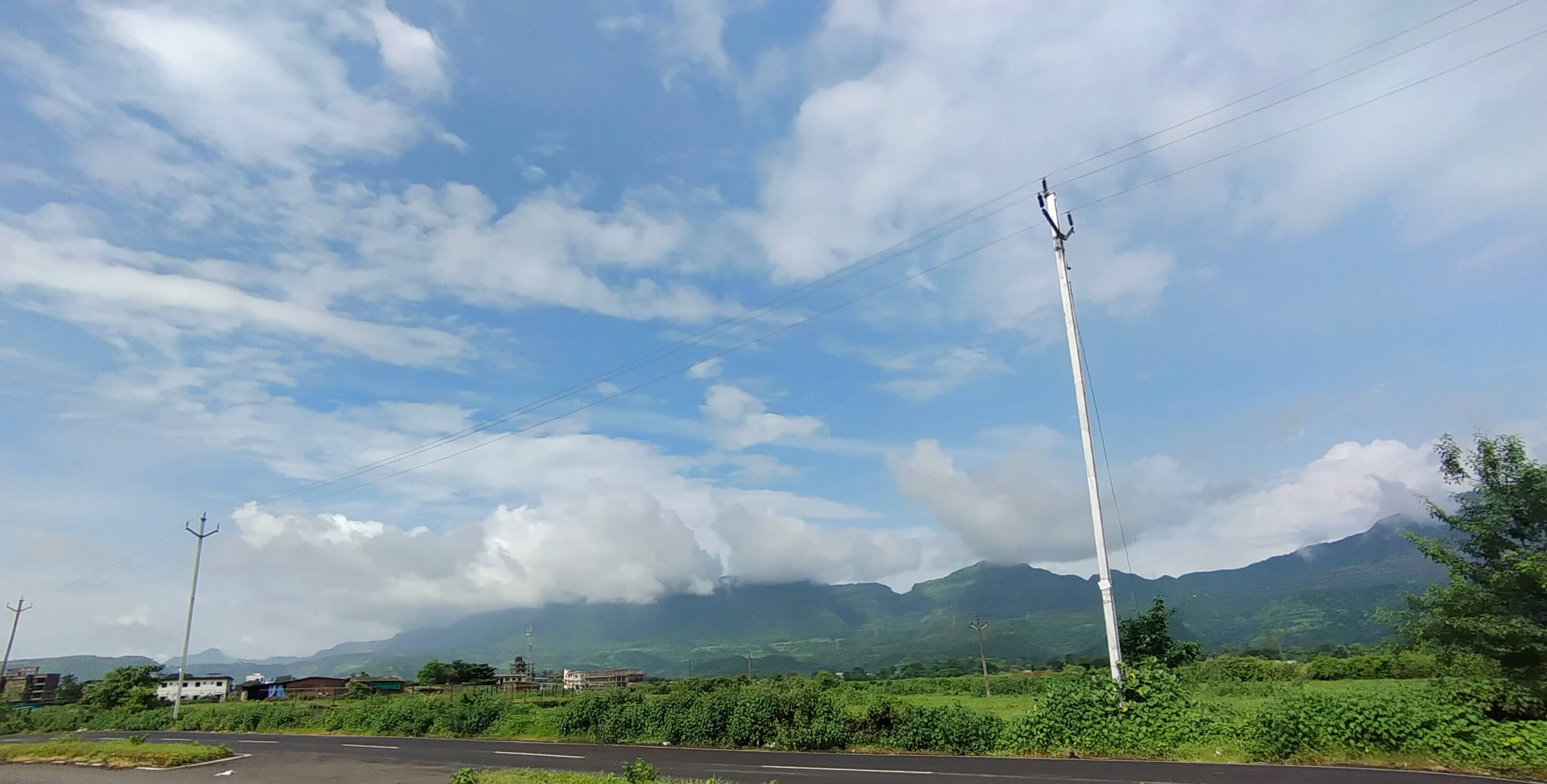
The landscape around the fort changes with the seasons. During monsoon, the vegetation is lush green. In winter, the landscape is dry but clear. Spring brings blooming flowers, and summer shows a more barren but beautiful landscape. Each season offers its own unique beauty, so the fort looks different depending on when you visit.
Flora and Fauna
Purandar Fort is surrounded by dry deciduous forests and grasslands. The area is home to various types of plants and animals:
- Animals: You might spot sambar deer, wild boar, and sometimes even leopards in the forests. Though large animals are not commonly seen, you might see their signs like footprints.
- Birds: The area is excellent for birdwatching. You can see eagles, vultures, woodpeckers, and many smaller colorful birds.
- Plants: The forest has sal trees, teak, and various medicinal plants. During monsoon, wildflowers bloom all over the hillside.
- Insects: Butterflies and dragonflies are common, especially during and after monsoon season.
If you're interested in nature photography or wildlife watching, early morning is the best time to spot birds and animals as they are most active then.
Other Historical and Natural Attractions Near Purandar Fort
Indapur Town
Indapur is the nearest town to Purandar Fort, located about 20 kilometers away. This is a historic town with its own temples and cultural importance. You can visit the local markets, try local food, and experience the rural life of Maharashtra. Indapur is also known for its agricultural products and local crafts.
Torna Fort (Prachandgad)
Torna Fort is another famous Maratha fort located about 25 kilometers from Purandar. It's historically significant as the first fort captured by Chhatrapati Shivaji Maharaj. The trek to Torna is quite challenging but offers spectacular views. Many history enthusiasts visit both Purandar and Torna forts as part of their Maratha fort exploration.
Jejuri Temple
Jejuri is a religious town about 30 kilometers away that's famous for the Bhagwati Temple. It's a spiritual center for many devotees. If you're interested in visiting historical and religious sites, Jejuri can be combined with your Purandar Fort visit.
Katraj Tunnels
If you're coming from Pune, the Katraj Tunnels are on the way. These are historic tunnels built during the Peshwa period. They provide water supply to Pune and are an interesting piece of historical engineering. You can stop here on your way to or from Purandar Fort.
Practical Information for Your Visit
Entry Fee and Opening Hours
Purandar Fort is open to visitors throughout the year, 24 hours a day. There is no entry fee for visiting the fort, making it accessible to everyone. However, you should follow these rules to help preserve this important historical site:
- Do not make loud noise or create disturbance. This is a place of historical importance.
- Do not litter or throw trash on the fort. Take all your waste back with you.
- Do not make fires or cook on the fort plateau.
- Do not throw stones or damage any historical structures or walls.
- Be respectful and treat the fort with the dignity it deserves.
Best Time Duration for Your Visit
For a complete experience of Purandar Fort, you should plan to spend the following amount of time:
- Trek up: 2 to 2.5 hours depending on your fitness level
- Time at the fort: 1 to 1.5 hours to explore structures and enjoy views
- Trek down: 1.5 to 2 hours
- Total time: 5 to 6 hours including breaks
It's best to start your trek early in the morning so you finish before it gets dark. Plan to reach the fort around midday and start descending by 2 PM to reach the base before sunset.
How to Get There from Pune
Here are different ways to reach Purandar Fort from Pune:
- By Personal Vehicle: Drive from Pune towards Indapur (about 50-55 km). The journey takes 1.5 to 2 hours. Follow signs towards Haveli village where the fort base is located.
- By Taxi: You can hire a taxi from Pune for a round trip. Agree on the fare beforehand and arrange for the taxi to wait or return later.
- By Bus: Regular buses run from Pune to Indapur. From Indapur bus stand, you can hire a local taxi or auto to reach the fort base.
- Tour Operators: Many travel agencies in Pune organize group tours to Purandar Fort that include transportation, guide, and sometimes meals.
Where to Eat and Stay
Food Options: The Haveli village area has limited food options. It's best to carry your own food and snacks. However, you can find basic food items in Indapur town. Pack energy snacks and water before starting the trek.
Accommodation: There are no hotels or guesthouses on the fort itself. Most visitors do a day trip from Pune. However, if you want to stay, there are budget hotels and guesthouses in Indapur town about 20 kilometers away. You can also stay in Pune and make it a day trip.
Rest Areas: There are no rest areas or shops on the trekking trail. Make sure you're well-prepared before you start trekking.
Tips for Planning Your Visit
- This is a moderate to difficult trek, so make sure you're reasonably fit before attempting it.
- Visit during winter months (November to February) for the best weather and most comfortable trekking experience.
- Start early in the morning to avoid trekking in the dark.
- Carry more water than you think you'll need. Dehydration is a common issue on treks.
- Don't underestimate the trek based on its distance. The elevation gain makes it challenging.
- Take a local guide if possible. They know the trail well and can share interesting historical information.
- Bring a good camera to capture the beautiful views and the fort structures.
- Consider combining your visit with other nearby forts like Torna or Rajgad fort for a full fort-trekking experience.
- Respect the historical importance of the site by not littering and following all rules.
- Wear proper trekking gear and don't ignore any safety warnings.
Conclusion
Purandar Fort is much more than just a historical monument – it's a place where you can stand where famous treaties were signed and where brave warriors once fought to protect their kingdoms. The combination of challenging trekking, rich history, and beautiful views makes Purandar Fort a must-visit destination for anyone interested in Maratha history or adventure activities. Whether you're a history buff learning about the Treaty of Purandar, an adventure seeker looking for a good trek, or a nature lover wanting to experience the beauty of the Sahyadri mountains, Purandar Fort has something special to offer you. Plan your visit during the best season, prepare well, respect the historical site, and get ready for an experience that will stay with you for years to come. The journey to the top is challenging, but the rewards – both the views and the historical knowledge – make every step worth taking.

Traveller Reviews
Read genuine visitor reviews or share your own experience to help fellow travellers