Introduction to Rajgad Fort
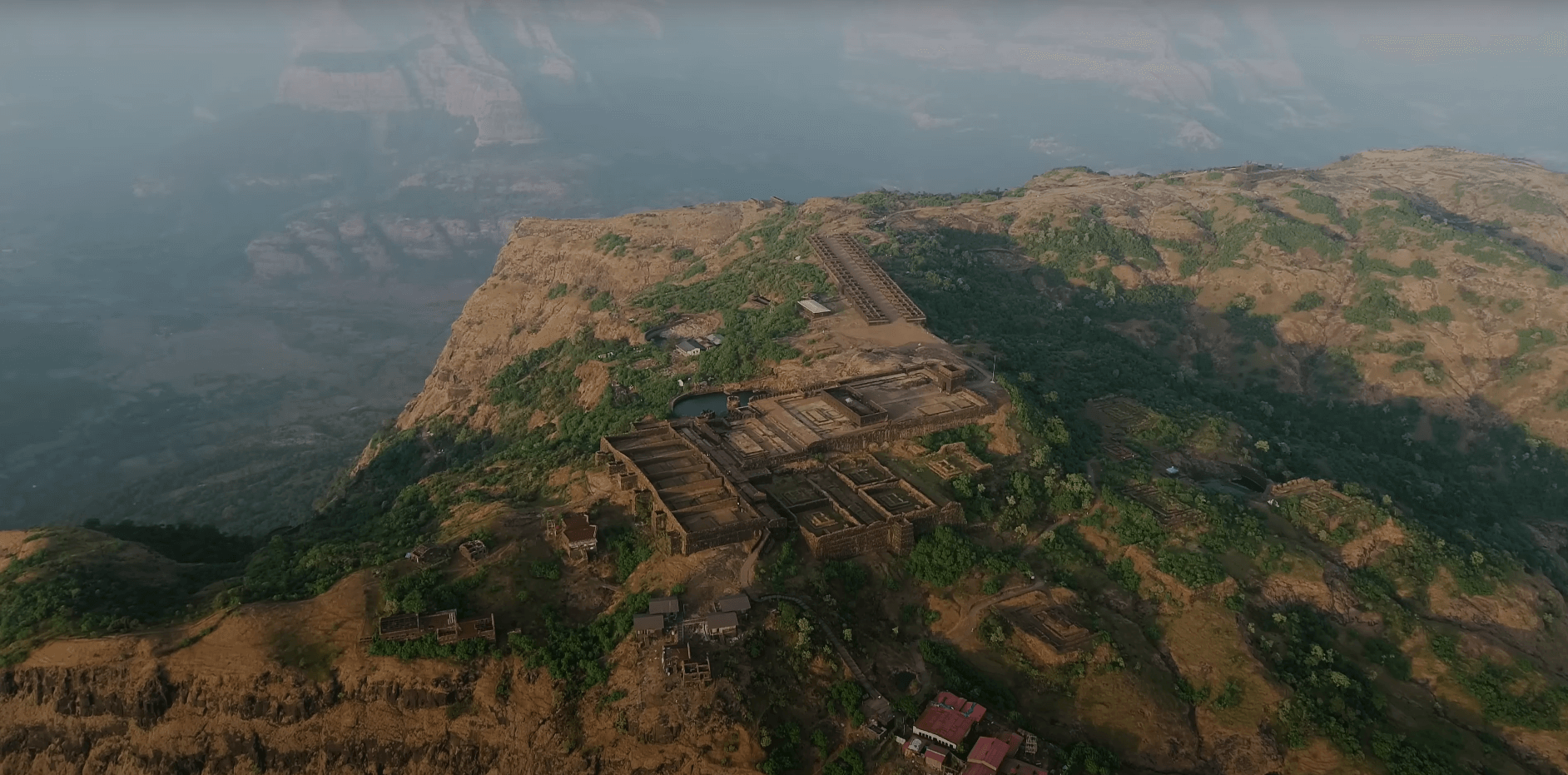
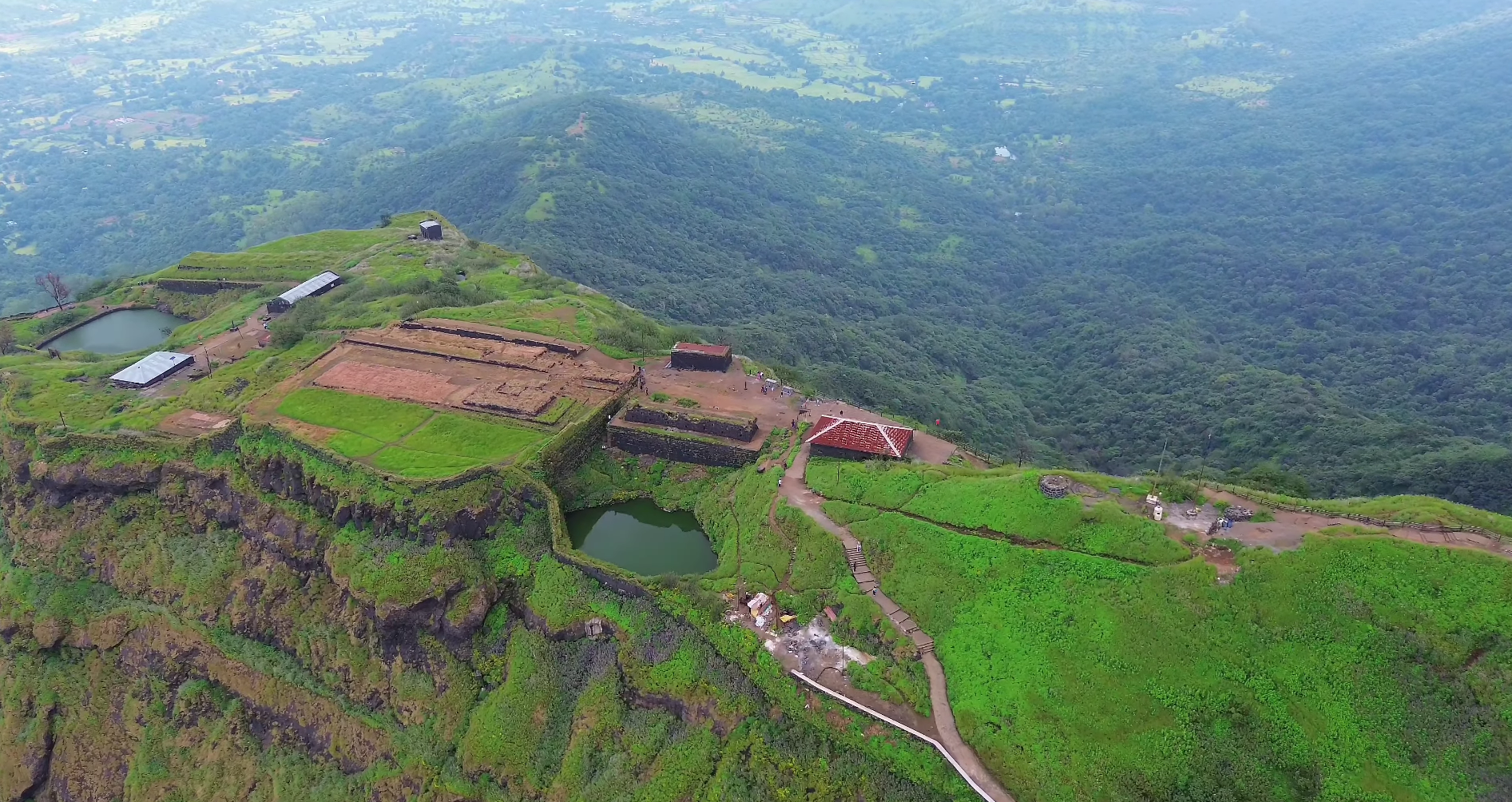
Rajgad Fort, known as the "King of Forts," is a remarkable historical monument perched at an altitude of approximately 1,376 meters (4,514 feet) in Maharashtra. This magnificent hilltop fortress stands as a testament to the architectural brilliance and military genius of Chhatrapati Shivaji Maharaj, the founder of the Maratha Empire.
With a sprawling base diameter of roughly 40 kilometers (25 miles), Rajgad commanded sweeping views of the Sahyadri mountains and the surrounding landscape. Located about 60 kilometers southwest of Pune city, this fortress has become one of Maharashtra's most iconic trekking destinations and historical landmarks.
Historical Significance of Rajgad Fort
Rajgad served as the first capital of the Maratha Empire and was home to Chhatrapati Shivaji Maharaj for nearly 26 years. Originally named Murumbadevi Dongar, the fort was captured and strategically expanded by Shivaji in 1647 and became the nerve center of Maratha administration and military operations.
From 1647 to 1674, Rajgad witnessed pivotal moments in Indian history:
- Birth of Rajaram: The fort was home to the birth of Shivaji's son Rajaram, who later became a capable Maratha warrior and king
- Military Planning Hub: Major military campaigns and strategies against the Mughals and Bijapur Sultanate were devised here
- Treasure Storage: The fort housed treasures from Shivaji's famous raid on Surat and other conquests
- Administrative Center: It served as the political nucleus where Shivaji administered newly liberated territories
- Military Barracks: Elite warrior units and generals were stationed here, creating a vibrant hub of military excellence
The capital later shifted to Raigad Fort in 1674 when Shivaji was formally crowned as king. However, Rajgad's significance as the cradle of the Maratha Empire remained undiminished in history.
Architectural Features and Design
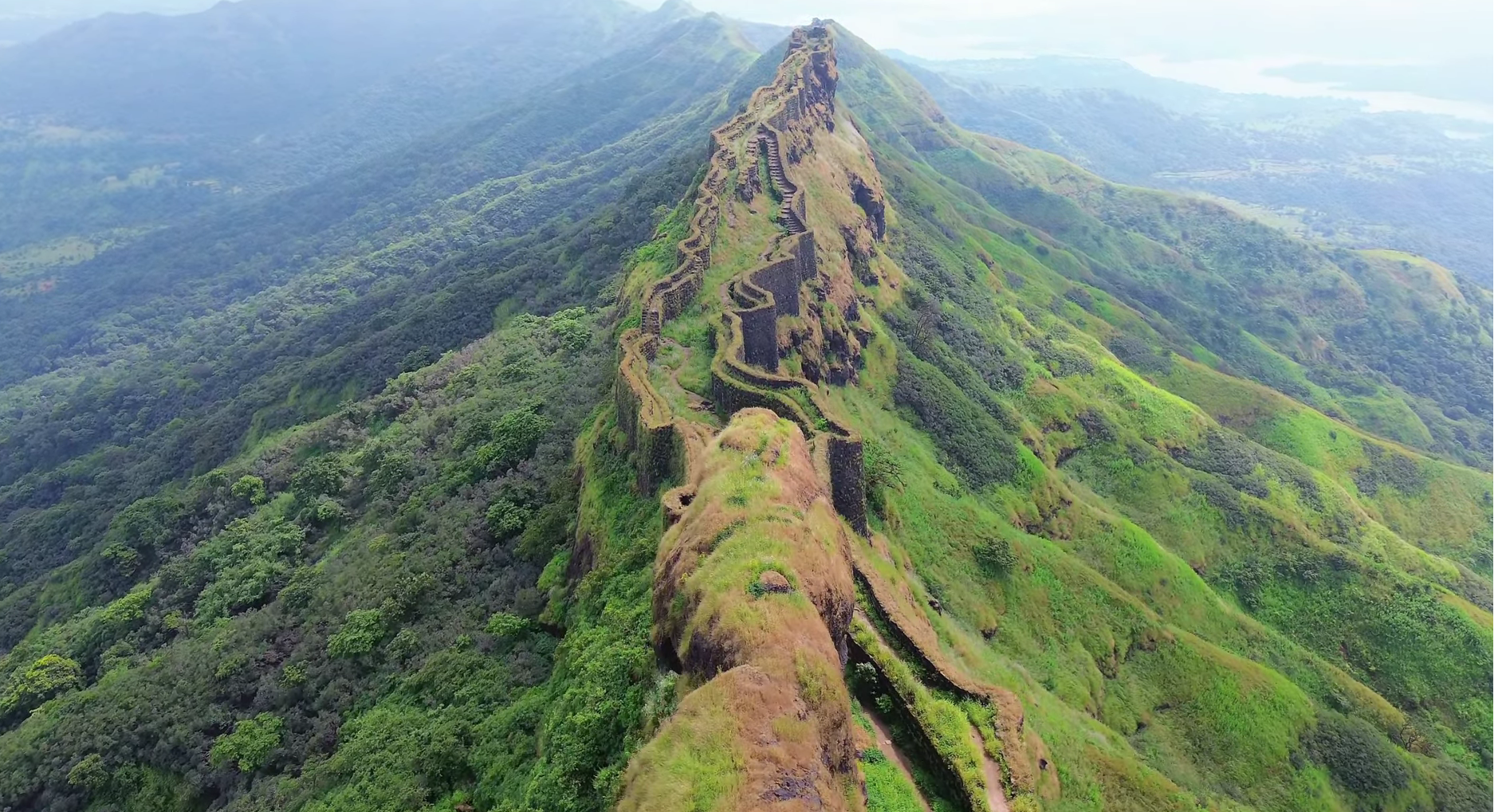
Rajgad's architecture exemplifies Maratha military engineering brilliance, featuring a complex system of fortifications designed with remarkable ingenuity. The fort showcases exceptional medieval defensive architecture with multiple layers of protection.
| Architectural Feature | Description |
|---|---|
| Stone Walls & Ramparts | Massive fortifications engineered to repel invaders from all directions with strategic angles |
| Bastions (Machi) | Multiple fortified positions including Padmavati Machi and Sanjivani Machi for defensive advantage |
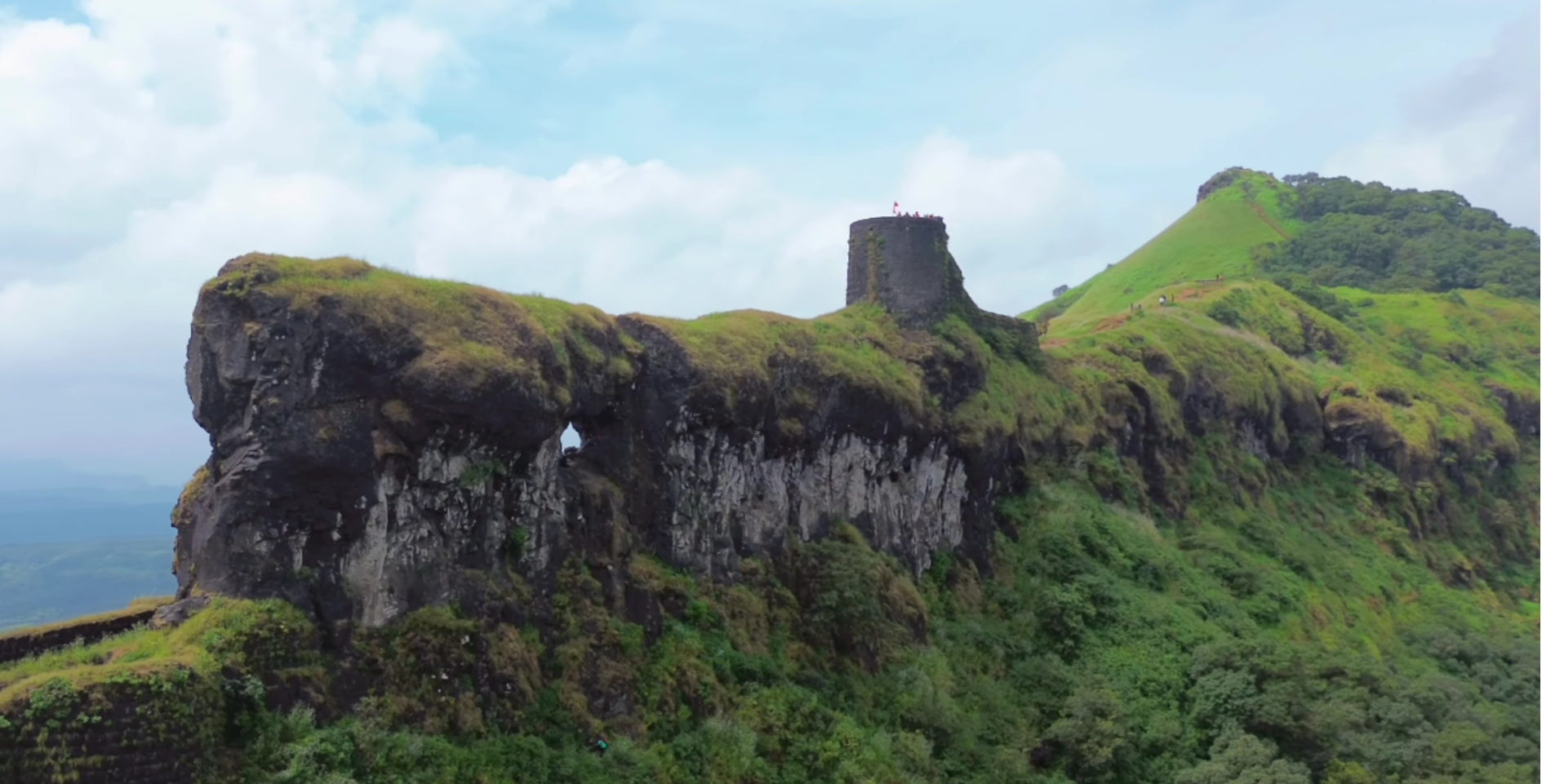
| Watchtowers (Buruj) | Strategically placed towers for surveillance and communication across territories |
| Balekilla | Upper Fort/Citadel – the core defensive structure at the fort's highest point with royal palaces |
| Water Cisterns | Rock-cut tanks enabling survival during prolonged sieges without external water supply |
| Secret Passages | Including the famous Chor Darwaza ("Thieves' Gate") for stealthy military movement |
| Granaries | Large storage facilities for food and provisions ensuring self-sufficiency during blockades |
Key Attractions at Rajgad Fort
The fort is divided into several distinct sections, each offering unique historical and architectural significance:
Padmavati Machi
A flat plateau acting as a military base and primary residence area, Padmavati Machi features:
- Shivaji's primary residence with remnants of the royal palace (Rajwada)
- Padmavati Temple dedicated to Goddess Padmavati
- Large storage facilities for arms and supplies
- Natural defense line forming the main fortification
- Intricately carved gateways marking transitions between fort sections
Balekilla (Upper Citadel)
The highest and most fortified section of the fort, featuring:
- Royal palaces and administrative centers
- Religious shrines dedicated to local deities and Maratha heroes
- Extensive network of rock-cut pathways and ancient staircases
- Panoramic viewpoints offering 360-degree views of surrounding valleys
Sanjivani Machi
The western defensive section featuring:
- Triple-layered fortifications for maximum protection
- Multiple watchtowers and bastions
- Strategic vantage points for surveillance
Chor Darwaza (Thieves' Gate)
The fort's most famous secret passage, featuring:
- Hidden entrance designed for covert military operations
- Narrow, winding pathways carved into rock
- Strategic advantage during sieges and wars
- Archaeological marvel showcasing military ingenuity

Water Management System
One of Rajgad's most impressive engineering achievements is its water management infrastructure. The fort features numerous rock-cut water cisterns and tanks that collected and stored rainwater, enabling the fort to sustain large populations during prolonged sieges lasting several months. This system allowed the Maratha forces to maintain troop morale and combat readiness even when supply lines were cut off.
Trekking Experience to Rajgad Fort
Rajgad Fort has become one of Maharashtra's most popular trekking destinations, attracting adventure enthusiasts and history lovers alike. The trek combines adventure, history, and natural beauty in equal measure.
Trek Route and Difficulty Level
The trek to Rajgad is classified as moderately challenging, suitable for individuals with basic fitness levels. The journey typically features:
- Steep ascents through winding mountain paths
- Ancient rock-cut stairways carved centuries ago by Maratha builders
- Dense forests with diverse flora and fauna of the Western Ghats
- Open ridges offering panoramic valley views
- Duration: Approximately 4-5 hours for the complete trek round trip
Trek Highlights
Trekkers can explore fascinating features including:
- Chor Darwaza Journey: Experience the thrill of navigating the secret gate, offering unique insight into the fort's strategic design
- Upper Citadel: Explore royal palaces and defensive structures that shaped Maratha military history
- Water Cisterns and Caves: Witness ingenious traditional engineering that sustained the fort during sieges
- Battlements and Bastions: See the fortress from a soldier's perspective, understanding defensive strategies
- Religious Shrines: Visit temples reflecting the spiritual side of Maratha culture
- Flora and Fauna: Opportunities to witness rare plant and animal species endemic to the Western Ghats region
- Panoramic Views: Breathtaking vistas of surrounding valleys, neighboring forts, and mountain ranges
Travel Tips for Visiting Rajgad Fort
To make your Rajgad experience memorable and safe, consider these practical recommendations:
Best Time to Visit
- October to February: Ideal season with pleasant weather and cool temperatures
- June to September: Monsoon season offers lush green landscapes but challenging trekking conditions
- March to May: Hot summer months, trek in early morning to avoid extreme heat
What to Carry
- Sturdy Trekking Shoes: Essential for steep and rocky paths with loose stones
- Water and Snacks: Carry 2-3 liters of water and energy bars or fruits
- Sun Protection: Sunscreen, hat, and sunglasses for open ridge sections
- First Aid Kit: Basic medical supplies for minor injuries
- Camera: Capture stunning views and historical architecture
- Light Jacket: Even in summer, mountain temperatures can be cool
- Headlamp/Torch: If trekking during early morning or late afternoon
Important Recommendations
- Hire a Local Guide: Essential for rich historical context and safe navigation through complex fort sections
- Start Early: Begin trek at dawn to reach fort by midday with ample daylight
- Physical Fitness: Ensure basic cardiovascular fitness before attempting the trek
- Respect the Monument: Don't damage fort structures or leave trash
- Weather Check: Monitor weather forecast and avoid trekking during heavy rains
- Group Trekking: Consider organized group treks for safety and better experience
Nearby Attractions Worth Exploring
If you're exploring Rajgad Fort, there are several nearby attractions that offer a deeper glimpse into Maharashtra's historical and natural heritage. Here are some of the best places to visit in the region:
Torna Fort
Located approximately 10 kilometers from Rajgad, Torna Fort holds special significance as Shivaji Maharaj's first conquest. This ancient fort features impressive architecture and panoramic views. The twin forts of Rajgad and Torna are often explored together during extended trekking expeditions.
Purandar Fort
Situated about 15 kilometers away, Purandar Fort is a vast fort complex with tremendous historical importance. It was a crucial stronghold during conflicts between the Maratha and Mughal empires. The fort's strategic location and architectural features make it a must-visit destination.
Mulshi Dam
Approximately 20 kilometers from Rajgad, Mulshi Dam is an ideal destination for relaxation after trekking. The serene lake surrounded by lush greenery offers:
- Beautiful picnic spots with water views
- Boating and water sports opportunities
- Photography locations with scenic landscapes
- Peaceful retreat for nature lovers
Other Nearby Forts
- Sinhagad Fort: About 30 km away, famous for the Battle of Haldighati
- Korigad Fort: Approximately 25 km away, offering moderate trekking and panoramic views
- Bedse Caves: Ancient Buddhist caves with historical and religious significance
Maratha Military History and Rajgad Fort
The role Rajgad played in the rise of the Maratha Empire cannot be overstated. This fortress served as:
Safe Refuge and Military Base
Its multi-layered fortifications and difficult terrain made it nearly impregnable to enemy assaults, allowing the Marathas to resist prolonged sieges and regroup for counterattacks during conflicts with larger empires.
Command Center
The fort housed military advisers, generals, and key operatives, creating a vibrant hub of military planning where strategic decisions shaped the trajectory of Indian history.
Strategic Operations Hub
Multiple military campaigns were coordinated from this location, facilitating the expansion of Maratha territories across western India and establishing the foundation for the Maratha Empire's future dominance.
Preservation and Tourism Significance
Recognized for its historical importance, Rajgad Fort is maintained by governmental and heritage organizations, including the Maharashtra Tourism Development Corporation and the Maharashtra State Archaeology Department. Efforts are underway to preserve the fort's structures and promote sustainable tourism, balancing accessibility with conservation.
As a nominated cultural heritage site, Rajgad attracts diverse visitor categories:
- Historians and researchers studying Maratha history and medieval warfare
- Adventure trekkers seeking challenging hill climbs and natural beauty
- Photographers capturing architectural and natural landscape photography
- Nature lovers exploring Western Ghats biodiversity and endemic species
- Educators and students learning about Indian heritage and Maratha culture
- History enthusiasts connecting with the era of Shivaji Maharaj
Conclusion
Rajgad Fort stands tall not just as a majestic monument constructed of stone and mortar, but as a living symbol of Maratha resilience, strategic genius, and cultural heritage. Its expansive fortifications, secret pathways, and rock-cut cisterns reflect the tactical intelligence and architectural skill that enabled Shivaji Maharaj to lay the foundations of an empire that would shape the course of Indian history.
Today, Rajgad continues to inspire generations by telling stories etched into its walls — tales of valor, strategy, and freedom. Whether you're exploring the ancient staircases, standing at the edge of Balekilla overlooking vast valleys, or learning about Maratha military tactics from a knowledgeable guide, every moment at Rajgad is an immersion into history.
For history enthusiasts, trekkers, photographers, and travelers seeking an authentic connection with India's rich past, Rajgad Fort remains a must-visit destination. It offers not just a glimpse into the architectural and military brilliance of the Marathas, but a profound understanding of the courage and vision that created an empire that challenged the mighty Mughal powers and left an indelible mark on Indian civilization.
Visit Rajgad Fort today and become part of its legendary story! 🏰⛰️