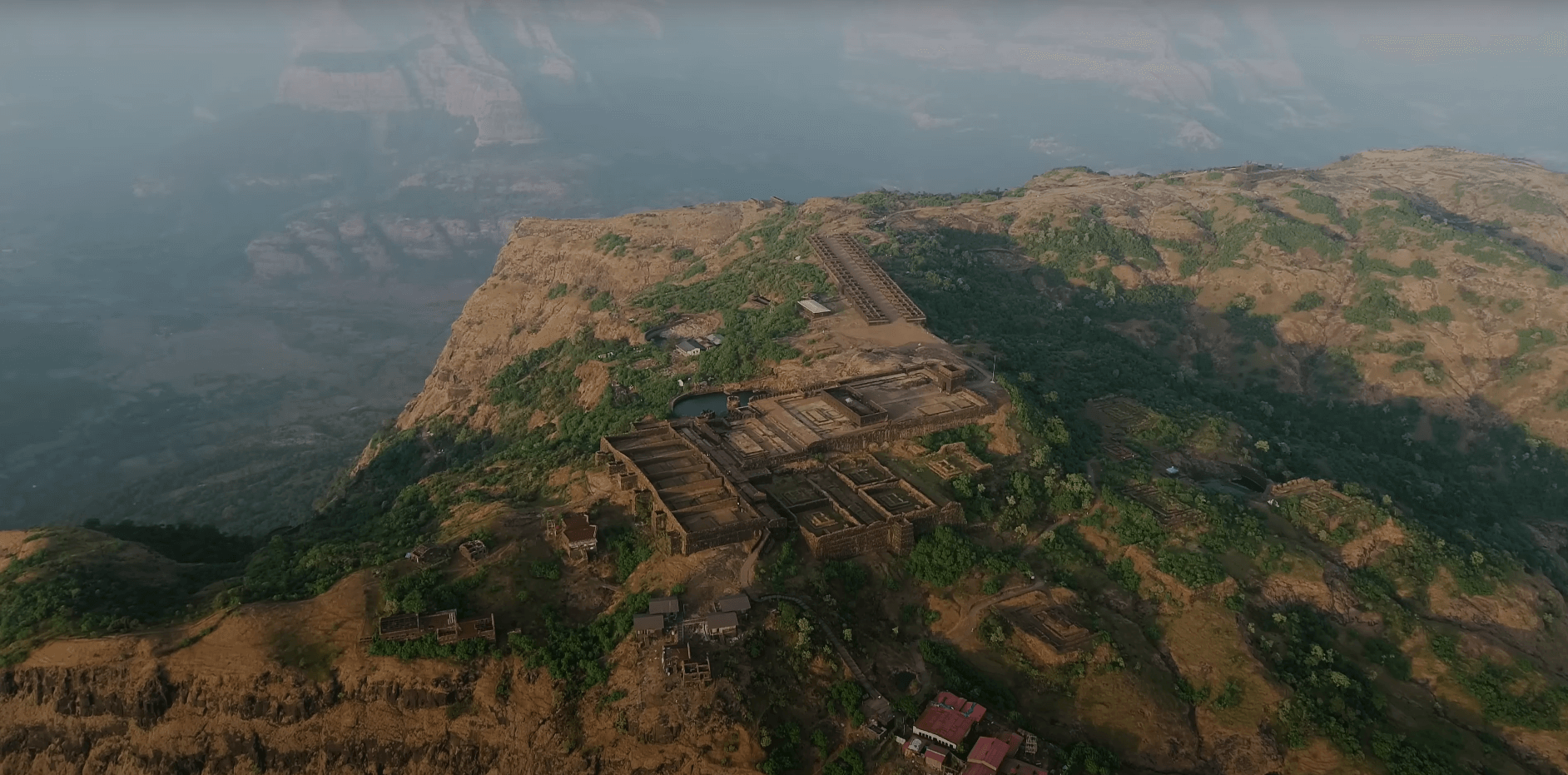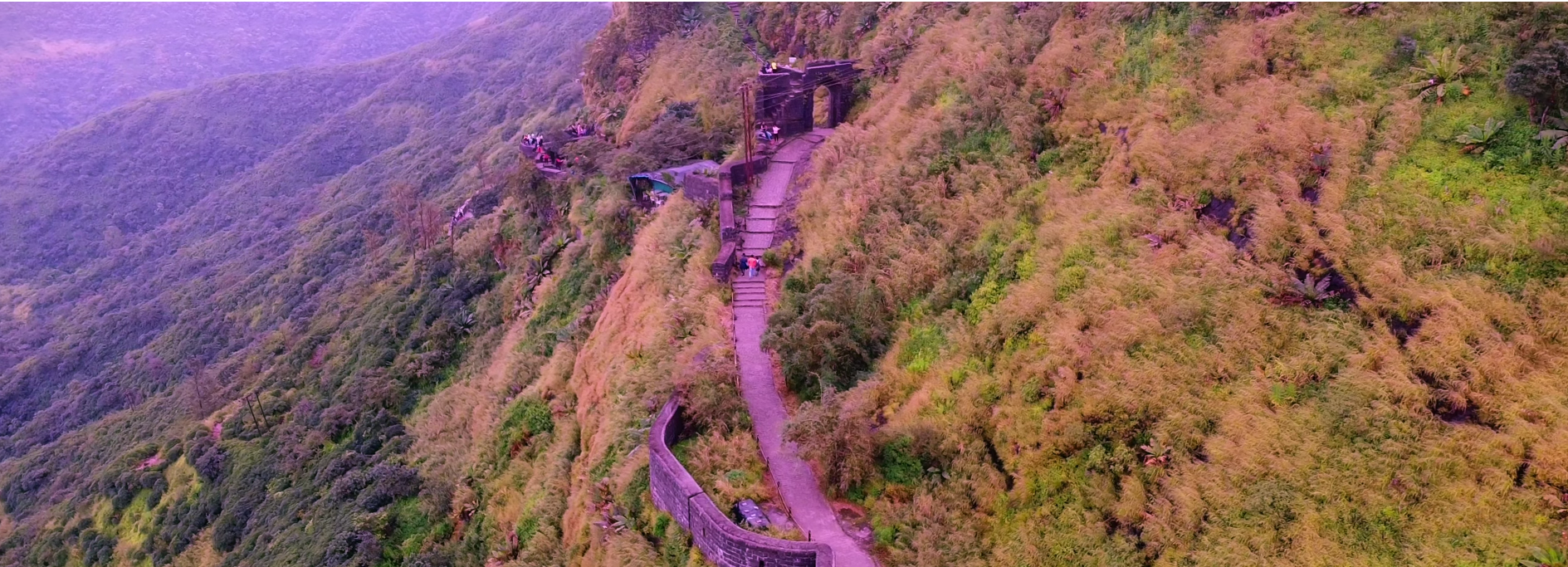
Sinhagad Fort stands as one of India's most iconic historical landmarks, located just 35 kilometers southwest of Pune in Maharashtra. This ancient fortress has captivated the hearts of history enthusiasts, adventure seekers, and nature lovers for centuries. If you're planning a visit or simply want to learn more about this magnificent structure, this comprehensive guide covers everything you need to know about Sinhagad Fort and what makes it such a remarkable destination.
Understanding the Rich History of Sinhagad Fort
The Ancient Beginnings and the Legendary Battle of 1670
The story of Sinhagad Fort stretches back over two thousand years. Originally known as Kondhana, this fortress has witnessed the rise and fall of numerous empires and dynasties. The fort's strategic location in the Sahyadri mountain range made it a valuable possession for any ruler who controlled the region. During the 14th century, the fort came under the control of various sultanates including the Delhi Sultanate, Bahmani Sultanate, and later the Bijapur Sultanate. Each ruler recognized its immense strategic importance in controlling the surrounding regions.
However, the most celebrated chapter in Sinhagad Fort's history unfolded on February 4, 1670, during what is now known as the Battle of Sinhagad. This battle represents one of the greatest acts of courage and sacrifice in Indian military history. The fort was under the control of the Mughal Empire, with the capable general Udaybhan Rathod commanding the garrison. Chhatrapati Shivaji Maharaj, the visionary founder of the Maratha Empire, was determined to reclaim this strategic fortress. He entrusted the mission to one of his most trusted and fearless generals, Tanaji Malusare, also known as Tanaji Malhaar.
Tanaji assembled an elite force of around five hundred soldiers for what would become a daring nighttime assault. The most fascinating element of this battle is the legendary story of the monitor lizard, locally called Ghorpad. According to popular accounts, Tanaji's soldiers used a specially trained monitor lizard named Yashwanti to scale the steep and seemingly impossible cliffs surrounding the fort. This remarkable creature provided the necessary grip and support for soldiers to climb the treacherous rocky faces under the cover of darkness, allowing them to reach the fort's upper sections undetected.
The assault was executed with remarkable precision and bravery. After a fierce confrontation, Tanaji's forces successfully captured the fort, though Tanaji himself fell in combat while facing Udaybhan Rathod. When Shivaji Maharaj learned of the victory coupled with Tanaji's death, he reportedly said in Marathi, "Gad ala, pan Sinha gela," which translates to "The fort is conquered, but the Lion is lost." This poignant statement led to the fortress being renamed Sinhagad, meaning "Fort of the Lion," forever immortalizing Tanaji's sacrifice and bravery.
The Maratha Period and Colonial Era
Following its recapture in 1670, Sinhagad remained a crucial stronghold of the Maratha Empire for nearly 150 years. The fort served as an important military garrison and administrative center, controlling trade routes and maintaining regional security. However, with the arrival of British forces during the Third Anglo-Maratha War in 1817, the fort's strategic importance gradually diminished. General Pritzler led British forces in besieging and capturing Sinhagad Fort. After India gained independence in 1947, the fort was recognized as an important historical monument and has since been protected by the Archaeological Survey of India.
Getting to Sinhagad Fort: Location and Access
Where Sinhagad Fort is Located
Sinhagad Fort is perched at an elevation of 1,312 meters above sea level on the majestic Sahyadri mountain range. The fort is located in the Pune district of Maharashtra state, approximately 35 to 40 kilometers from Pune city center. The nearest town is Kamshet, which is about 3 to 4 kilometers away from the fort's base. For those coming from Lonavala, the distance is approximately 15 to 20 kilometers, making it convenient for visitors exploring the Lonavala-Khandala region.
How to Reach Sinhagad Fort
The most popular way to reach Sinhagad Fort is by road from Pune. You'll need to cover a distance of approximately 35 to 40 kilometers, which typically takes between 1.5 to 2 hours depending on traffic conditions. The route generally goes through the Sinhagad Ghat Road, and you can take either the Pirangut route or the Kamshet route. Both roads are well-maintained highways, though they do feature sharp mountain curves. Once you reach Kamshet village, this is typically where most trekkers begin their journey up to the fort.
If you're flying in, the nearest airport is Pune Airport, located approximately 40 kilometers away. Railway enthusiasts can also reach Sinhagad by taking the train to either Pune Junction or Kamshet Station. From Kamshet Station, it's just a short distance of 3 to 4 kilometers to the base of the fort, making it a convenient option for those traveling by rail.
Exploring the Architectural Features of Sinhagad Fort
The Structural Design and Layout
Sinhagad Fort showcases remarkable Maratha military architecture that was built with both practical defense in mind and harmonious integration with the natural mountain terrain. The fort sprawls across a relatively small but strategically positioned plateau that offers commanding views of the surrounding valleys and mountains. The main plateau area covers approximately 1 to 2 hectares of relatively flat terrain, which historically served as the administrative and military hub of the fortress.
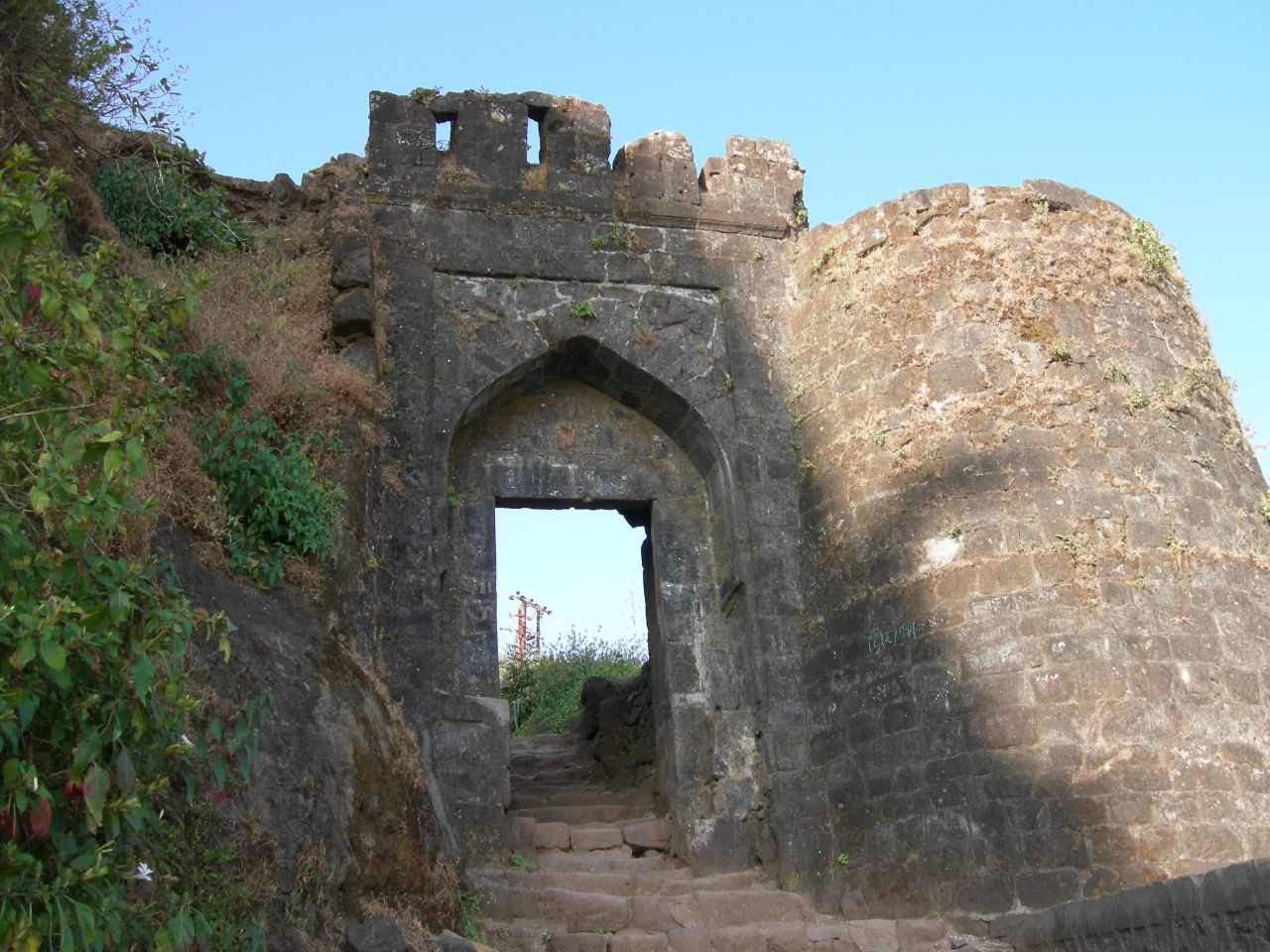
The fort is protected by multiple layers of defensive walls constructed using traditional stone masonry techniques characteristic of Maratha fortifications. These walls were strategically positioned to provide maximum coverage and protection against various forms of attack. Throughout the fort, you'll find multiple bastions that once housed cannons and artillery pieces, along with several watchtowers that provided excellent vantage points for observing potential threats. The fort's builders also demonstrated remarkable foresight in constructing a sophisticated water management system with ancient cisterns and underground storage tanks that were essential for survival during sieges.
The Complete Guide to Trekking Sinhagad Fort
Understanding the Trek Experience
Trekking to Sinhagad Fort is an exhilarating experience that combines history, nature, and physical adventure. The trek is generally classified as easy to moderate in difficulty, making it accessible to people of various fitness levels. The journey to the fort typically takes between 1.5 to 2 hours going uphill, while the descent generally takes about 1 to 1.5 hours.
The most popular and well-established route starts from Kamshet village. The trek begins by walking through Kamshet village, passing through local farms and agricultural areas. As you progress, the path becomes steeper and more rugged, featuring rocky terrain and stone steps. As you continue climbing, the landscape gradually transforms. The initial farmland gives way to natural forest vegetation, and the views of the surrounding valleys start to emerge. During the mid-section of the trek, you'll encounter clear trail markers and the incline becomes more manageable. The final stretch involves a steeper climb, and in some sections, rope assistance is provided to help trekkers navigate particularly challenging areas.
The Best Seasons to Visit
Winter (November to January) is widely considered the best time to trek Sinhagad Fort. The weather during these months is cool and pleasant, with clear skies that offer excellent visibility. The temperature is comfortable for trekking, and you won't face the extreme heat of summer. The advantage is that the trails are completely dry and very safe from a landslide perspective.
Spring (February to March) offers ideal trekking conditions with warm days and cool mornings. The weather is generally stable, and the trails are in excellent condition. While spring weekends can get moderately crowded, it remains an excellent time to visit. The views are clear, and the overall trekking experience is very enjoyable during this period.
Monsoon and Post-Monsoon (September to October) transforms Sinhagad into a lush green paradise with vibrant vegetation and active waterfalls. However, the trails can become slippery and muddy, requiring extra caution. There's also an increased risk of landslides, and visibility can be severely compromised.
Summer (April to May) brings hot and dry conditions. While the trails are clear, the intense heat makes trekking challenging. It's advisable to start your trek very early in the morning and carry extra water. The heavy monsoon months (June to August) bring heavy rainfall, making it suitable only for experienced trekkers.
What to Carry and Safety Tips
Before you set out on your Sinhagad adventure, carry at least 2 to 3 liters of water to stay hydrated. Pack energy snacks such as dry fruits, nuts, or energy bars to maintain your energy levels. Wear proper trekking shoes with good grip, carry a hat or cap for sun protection, and bring a light jacket for cooler hours. A basic first-aid kit is essential, along with your mobile phone and a power bank as backup.
Start your trek early in the morning to ensure you have plenty of daylight. Always inform someone about your trekking plans and check the weather forecast before heading out. Stay on marked trails at all times and trek with a group whenever possible. Use trekking poles for additional support on descent, and help fellow trekkers if you encounter them in difficulty.
Flora, Fauna, and Nearby Attractions
Natural Ecosystem Around the Fort
Sinhagad Fort is surrounded by dry deciduous forests that are part of the broader Sahyadri ecosystem. The vegetation includes sal trees, teak plantations, wild grasses, and various shrubs. During the monsoon season, wildflowers add vibrant colors to the landscape. The area is inhabited by Indian wild boar, sambar deer, and langurs. The monitor lizard, or Ghorpad as it's locally known, is famous in the legend of the Battle of Sinhagad. The fort's vicinity is also a haven for bird watchers, with numerous species of eagles, vultures, woodpeckers, and smaller birds making their homes in the forests.
Nearby Forts Worth Exploring
Rajgad Fort is located approximately 20 kilometers from Sinhagad at an elevation of 1,396 meters. What makes Rajgad particularly special is its historical significance as the capital of the Maratha Empire during Chhatrapati Shivaji Maharaj's reign. The trek to Rajgad is moderately difficult and takes approximately 2 to 3 hours. Many adventurous trekkers combine Rajgad and Sinhagad into a multi-day trekking expedition.
Torna Fort, also known as Prachandgad, is situated about 25 kilometers away at an elevation of 1,403 meters. This fort is famous for being one of the first forts captured by Chhatrapati Shivaji Maharaj, making it historically significant in the foundation of the Maratha Empire.
Practical Information for Your Visit
Opening Hours and Entry Details
Sinhagad Fort is open to visitors 24 hours a day, throughout the year. There is no entry fee for visiting the fort, making it accessible to everyone regardless of budget. The fort authorities have established certain rules to preserve the historical site and maintain the natural environment. Partying and cooking are strictly prohibited within the fort premises. Non-vegetarian food and alcohol are not allowed to maintain the sanctity of this historical location.
Best Time to Visit
The ideal months to visit Sinhagad Fort are October through May. During these months, the weather is pleasant, the skies are clear, and the trails are in good condition. If you're visiting during peak season (October-November or February-March), expect crowds, especially on weekends. Consider visiting on weekdays for a more peaceful experience. The pre-dawn hours offer spectacular sunrise views and fewer crowds, making an early morning trek particularly rewarding.
Conclusion
Sinhagad Fort remains one of Maharashtra's most remarkable historical and natural destinations. Whether you're seeking adventure, historical knowledge, or simply a connection with nature, this legendary fortress offers an unforgettable experience that will stay with you long after your visit. The combination of rich Maratha heritage, thrilling trekking opportunities, and breathtaking natural beauty makes Sinhagad Fort a must-visit destination for every traveler exploring Pune and its surroundings. Plan your trip wisely, respect the historical significance of the site, and prepare yourself for a journey into India's heroic past.